
negrola-de-degland vs negrola-de-stejneger
Melanitta deglandi versus Melanitta stejnegeri
Jogue um quiz com negrola-de-degland e negrola-de-stejneger
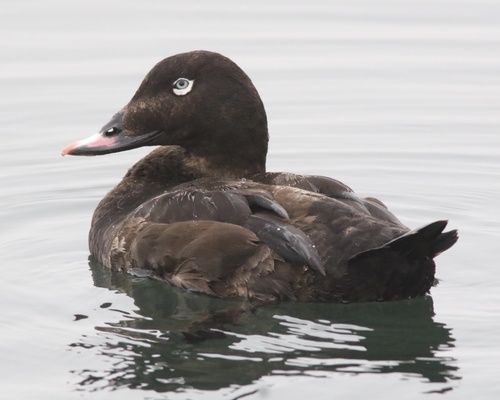 negrola-de-degland
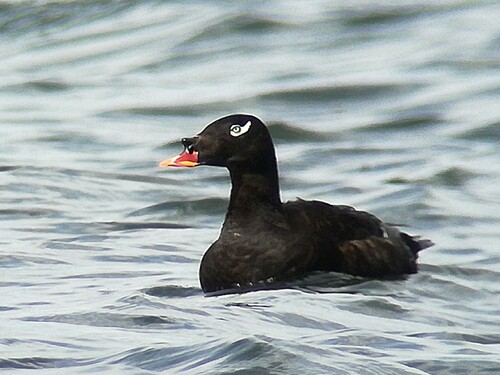 negrola-de-stejneger
Em resumo
Negrola-de-degland e negrola-de-stejneger são patos marinhos semelhantes, mas podem ser distinguidos por diferenças sutis na plumagem e na estrutura. A negrola-de-degland geralmente apresenta uma mancha branca nas asas mais proeminente em voo, enquanto a negrola-de-stejneger tem uma mancha menos conspícua. Ambas as espécies compartilham comportamentos e habitats semelhantes, tornando a identificação visual crucial.
Dicas de identificação
Procure pela mancha branca nas asas em voo, que é mais pronunciada na negrola-de-degland. Observar essas aves em voo pode proporcionar a melhor oportunidade para identificação.
Plumagem
A negrola-de-degland geralmente exibe uma mancha branca nas asas mais notável em voo em comparação com a negrola-de-stejneger. Essa característica é uma distinção chave ao observar essas espécies no campo.
Comportamento
Ambas as espécies exibem comportamentos semelhantes, como correr e voar ao longo da superfície da água ao decolar, e voar baixo sobre a água em linhas. Elas também mergulham para se alimentar de moluscos e crustáceos.
Habitat
Ambas as espécies são encontradas em ambientes costeiros abertos, especialmente baías e enseadas durante o inverno, e preferem grandes áreas úmidas e lagos em seus locais de reprodução. Seus habitats se sobrepõem significativamente.
negrola-de-degland · negrola-de-stejneger · Minhas aves difíceis