Birdr

maria-fibiu vs western tanager

Empidonax traillii versus Piranga ludoviciana

Jogue um quiz com maria-fibiu e western tanager
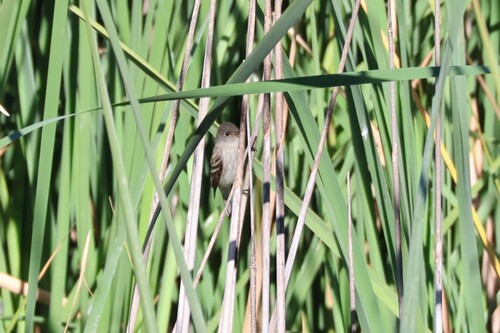
maria-fibiu (Empidonax traillii) maria-fibiu
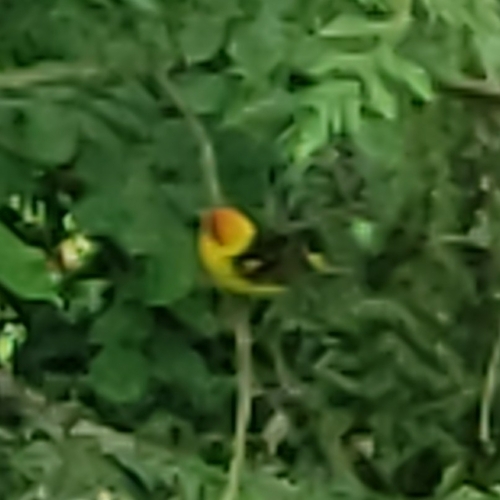
western tanager (Piranga ludoviciana) western tanager

Mídia

Carregando…

Em resumo

A maria-fibiu e o western tanager são distintos em aparência e habitat. A maria-fibiu é um pássaro pequeno e sem graça, frequentemente encontrado em áreas ripárias, enquanto o western tanager é maior, com plumagem impressionante em amarelo e vermelho, tipicamente visto em florestas coníferas abertas.

Dicas de identificação

1. Plumagem: Procure pelo amarelo e vermelho brilhantes do western tanager em comparação com o marrom-oliva sem graça da maria-fibiu. 2. Habitat: Note o habitat; áreas ripárias sugerem maria-fibiu, enquanto florestas coníferas sugerem western tanager. 3. Comportamento: Observe o nível de atividade; as marias-fibiu são mais ativas, enquanto os western tanagers são mais lentos.

Tamanho

O western tanager é maior que a maria-fibiu.

Plumagem

A maria-fibiu tem uma plumagem simples, marrom-oliva, sem marcas distintas, enquanto o western tanager, especialmente o macho, é vibrante com corpo amarelo, asas pretas e cabeça vermelha.

Comportamento

A maria-fibiu é frequentemente vista sozinha e é mais ativa, enquanto o western tanager tem hábitos lentos e é frequentemente encontrado à sombra da folhagem.

Habitat

As marias-fibiu são tipicamente encontradas em zonas ripárias, enquanto os western tanagers preferem florestas coníferas abertas e mistas.

Enviar uma descrição melhor

Use as mesmas seções da comparação. Seu texto é publicado na hora.

The Willow Flycatcher and Western Tanager are distinct in appearance and habitat. The Willow Flycatcher is a small, drab bird often found in riparian areas, while the Western Tanager is larger with striking yellow and red plumage, typically seen in open coniferous forests.

1. Plumage: Look for the bright yellow and red of the Western Tanager compared to the drab olive-brown of the Willow Flycatcher. 2. Habitat: Note the habitat; riparian areas suggest Willow Flycatcher, while coniferous forests suggest Western Tanager. 3. Behavior: Observe activity level; Willow Flycatchers are more active, while Western Tanagers are more sluggish.

The Western Tanager is larger than the Willow Flycatcher.

The Willow Flycatcher has a plain, olive-brown plumage with no distinct markings, whereas the Western Tanager, especially the male, is vibrant with yellow body, black wings, and a red head.

The Willow Flycatcher is often seen alone and is more active, while the Western Tanager has sluggish habits and is often found in the shade of foliage.

Willow Flycatchers are typically found in riparian zones, whereas Western Tanagers prefer open coniferous and mixed woodlands.

Descartar as alterações?

Você tem edições não salvas. Se sair agora, elas serão perdidas.

maria-fibiu · western tanager · Minhas aves difíceis