Birdr

Willow Flycatcher vs Western Tanager

Empidonax traillii versus Piranga ludoviciana

Play a quiz with Willow Flycatcher and Western Tanager
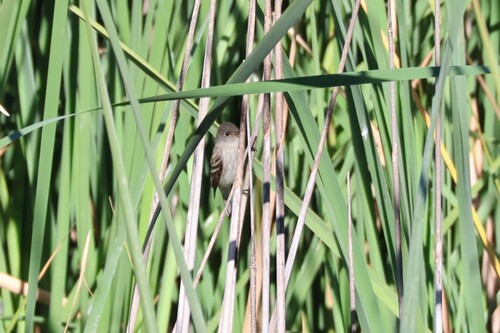
Willow Flycatcher (Empidonax traillii) Willow Flycatcher
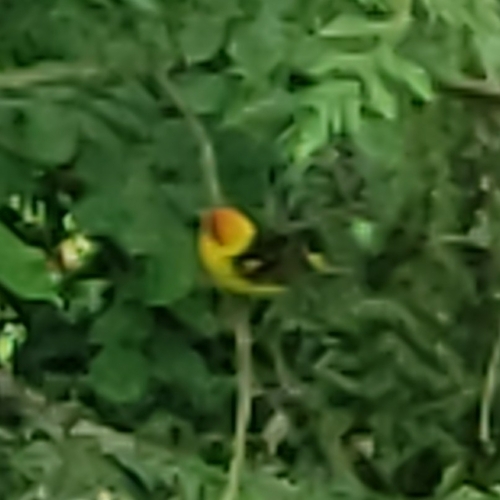
Western Tanager (Piranga ludoviciana) Western Tanager

Media

Loading…

In short

The Willow Flycatcher and Western Tanager are distinct in appearance and habitat, but can be confused due to overlapping ranges. The Willow Flycatcher is a small, drab bird often found near water, while the Western Tanager is larger, with striking yellow and red plumage, typically seen in open woodlands.

Identification tips

1. Look for the bright yellow and red plumage of the Western Tanager, especially in males. 2. Note the habitat: Willow Flycatchers are near water, Western Tanagers in woodlands. 3. Listen for the Willow Flycatcher's 'fitz-bew' song. 4. Consider size: Western Tanagers are noticeably larger.

Size

The Western Tanager is larger than the Willow Flycatcher.

Plumage

Willow Flycatchers have a plain, olive-gray plumage with two white wing bars, while male Western Tanagers are bright yellow with a red head and black wings.

Behaviour

Willow Flycatchers are primarily aerial foragers, often seen catching insects on the wing. Western Tanagers, though less conspicuous, forage for insects and fruits, often in the shade of foliage.

Habitat

Willow Flycatchers are typically found in river corridors and wet areas, whereas Western Tanagers are more common in open coniferous and mixed woodlands.

Voice

Willow Flycatchers have a distinctive 'fitz-bew' song, while Western Tanagers have a strong, deliberate song that is less often heard.

Submit a better description

Use the same sections as the comparison. Your text is published immediately.

The Willow Flycatcher and Western Tanager are distinct in appearance and habitat, but can be confused due to overlapping ranges. The Willow Flycatcher is a small, drab bird often found near water, while the Western Tanager is larger, with striking yellow and red plumage, typically seen in open woodlands.

1. Look for the bright yellow and red plumage of the Western Tanager, especially in males. 2. Note the habitat: Willow Flycatchers are near water, Western Tanagers in woodlands. 3. Listen for the Willow Flycatcher's 'fitz-bew' song. 4. Consider size: Western Tanagers are noticeably larger.

The Western Tanager is larger than the Willow Flycatcher.

Willow Flycatchers have a plain, olive-gray plumage with two white wing bars, while male Western Tanagers are bright yellow with a red head and black wings.

Willow Flycatchers are primarily aerial foragers, often seen catching insects on the wing. Western Tanagers, though less conspicuous, forage for insects and fruits, often in the shade of foliage.

Willow Flycatchers are typically found in river corridors and wet areas, whereas Western Tanagers are more common in open coniferous and mixed woodlands.

Willow Flycatchers have a distinctive 'fitz-bew' song, while Western Tanagers have a strong, deliberate song that is less often heard.

Discard your changes?

You have unsaved edits. If you leave now, those changes will be lost.

Willow Flycatcher · Western Tanager · My Tricky Birds