Birdr

African Barred Owlet vs African Wood-Owl

Glaucidium capense versus Strix woodfordii

Play a quiz with African Barred Owlet and African Wood-Owl
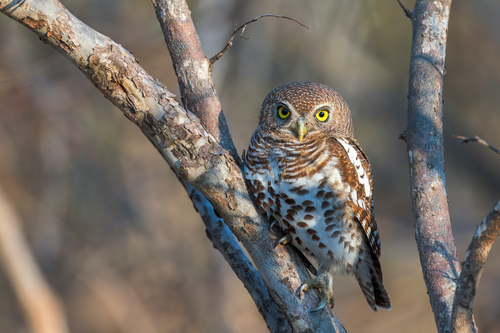
African Barred Owlet (Glaucidium capense) African Barred Owlet
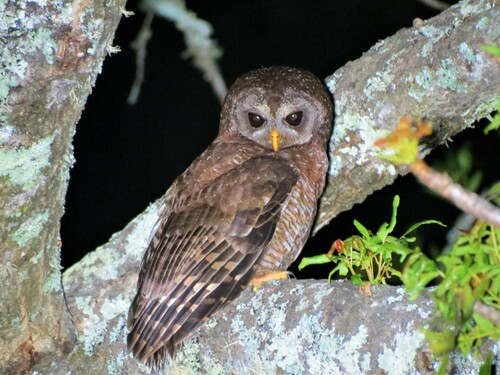
African Wood-Owl (Strix woodfordii) African Wood-Owl

Media

Loading…

In short

The African Barred Owlet and African Wood-Owl can be distinguished by size and plumage patterns. The Barred Owlet is smaller and has a more barred appearance, while the Wood-Owl is larger with a more uniform facial disk. Both species inhabit similar regions but differ in behavior and vocalizations.

Identification tips

1. Size: Use size as a primary indicator; the Barred Owlet is smaller. 2. Plumage: Look for heavy barring on the Barred Owlet versus the more uniform face of the Wood-Owl. 3. Behavior: Note the time of activity; Barred Owlets are more diurnal. 4. Habitat: Observe the foliage density; Wood-Owls prefer denser areas. 5. Vocalization: Listen for differences in calls, with the Barred Owlet having a more varied repertoire.

Size

The African Barred Owlet is smaller than the African Wood-Owl.

Plumage

The African Barred Owlet has a heavily barred plumage, especially on the underparts, and a distinct facial pattern. In contrast, the African Wood-Owl has a more uniform facial disk and less pronounced barring.

Behaviour

The African Barred Owlet is often seen hunting during daylight hours, particularly at dusk and dawn. The African Wood-Owl typically roosts in pairs and is more likely to be active at night.

Habitat

Both species occupy lowland and montane areas across central, eastern, and southern Africa. However, the African Wood-Owl tends to prefer denser foliage for roosting.

Voice

The vocalizations of these species differ, with the African Barred Owlet having a more varied call compared to the African Wood-Owl's more consistent hooting.

Submit a better description

Use the same sections as the comparison. Your text is published immediately.

The African Barred Owlet and African Wood-Owl can be distinguished by size and plumage patterns. The Barred Owlet is smaller and has a more barred appearance, while the Wood-Owl is larger with a more uniform facial disk. Both species inhabit similar regions but differ in behavior and vocalizations.

1. Size: Use size as a primary indicator; the Barred Owlet is smaller. 2. Plumage: Look for heavy barring on the Barred Owlet versus the more uniform face of the Wood-Owl. 3. Behavior: Note the time of activity; Barred Owlets are more diurnal. 4. Habitat: Observe the foliage density; Wood-Owls prefer denser areas. 5. Vocalization: Listen for differences in calls, with the Barred Owlet having a more varied repertoire.

The African Barred Owlet is smaller than the African Wood-Owl.

The African Barred Owlet has a heavily barred plumage, especially on the underparts, and a distinct facial pattern. In contrast, the African Wood-Owl has a more uniform facial disk and less pronounced barring.

The African Barred Owlet is often seen hunting during daylight hours, particularly at dusk and dawn. The African Wood-Owl typically roosts in pairs and is more likely to be active at night.

Both species occupy lowland and montane areas across central, eastern, and southern Africa. However, the African Wood-Owl tends to prefer denser foliage for roosting.

The vocalizations of these species differ, with the African Barred Owlet having a more varied call compared to the African Wood-Owl's more consistent hooting.

Discard your changes?

You have unsaved edits. If you leave now, those changes will be lost.

African Barred Owlet · African Wood-Owl · My Tricky Birds