Birdr

African Broadbill vs White-breasted Cuckooshrike

Smithornis capensis versus Ceblepyris pectoralis

Play a quiz with African Broadbill and White-breasted Cuckooshrike
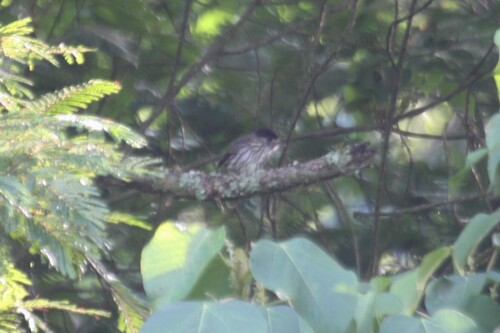
African Broadbill (Smithornis capensis) African Broadbill
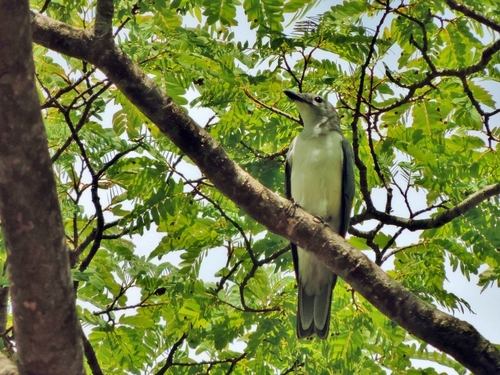
White-breasted Cuckooshrike (Ceblepyris pectoralis) White-breasted Cuckooshrike

Media

Loading…

In short

The African Broadbill and the White-breasted Cuckooshrike can be distinguished primarily by their size and plumage. The African Broadbill is a small, compact bird with a broad bill, while the White-breasted Cuckooshrike is larger and more slender. The broadbill has a more cryptic plumage with a mix of browns and greens, whereas the cuckooshrike features a distinct white breast and grey upperparts.

Identification tips

  1. Size and Shape: Note the smaller, more compact size of the African Broadbill compared to the larger, slender White-breasted Cuckooshrike. 2. Plumage: Look for the cryptic browns and greens of the broadbill versus the white breast and grey upperparts of the cuckooshrike. 3. Behavior: Watch for the broadbill's display flight and the cuckooshrike's canopy foraging. 4. Habitat: Consider the density of the undergrowth for broadbills and the open canopy for cuckooshrikes. 5. Vocalization: Listen for the mechanical display call of the broadbill and the melodic notes of the cuckooshrike.

Size

The African Broadbill is smaller and more compact compared to the larger, more slender White-breasted Cuckooshrike.

Plumage

The African Broadbill has a cryptic plumage with browns and greens, while the White-breasted Cuckooshrike has a striking white breast and grey upperparts.

Behaviour

The African Broadbill is often seen performing its distinctive display flight, while the White-breasted Cuckooshrike is more likely to be observed foraging in the canopy.

Habitat

Both species can be found in forested areas, but the African Broadbill prefers dense undergrowth, whereas the White-breasted Cuckooshrike is more often seen in the canopy of open woodlands.

Voice

The African Broadbill has a distinctive mechanical-sounding display call, while the White-breasted Cuckooshrike's call is more typical of a songbird, with melodic notes.

Submit a better description

Use the same sections as the comparison. Your text is published immediately.

The African Broadbill and the White-breasted Cuckooshrike can be distinguished primarily by their size and plumage. The African Broadbill is a small, compact bird with a broad bill, while the White-breasted Cuckooshrike is larger and more slender. The broadbill has a more cryptic plumage with a mix of browns and greens, whereas the cuckooshrike features a distinct white breast and grey upperparts.

  1. Size and Shape: Note the smaller, more compact size of the African Broadbill compared to the larger, slender White-breasted Cuckooshrike. 2. Plumage: Look for the cryptic browns and greens of the broadbill versus the white breast and grey upperparts of the cuckooshrike. 3. Behavior: Watch for the broadbill's display flight and the cuckooshrike's canopy foraging. 4. Habitat: Consider the density of the undergrowth for broadbills and the open canopy for cuckooshrikes. 5. Vocalization: Listen for the mechanical display call of the broadbill and the melodic notes of the cuckooshrike.

The African Broadbill is smaller and more compact compared to the larger, more slender White-breasted Cuckooshrike.

The African Broadbill has a cryptic plumage with browns and greens, while the White-breasted Cuckooshrike has a striking white breast and grey upperparts.

The African Broadbill is often seen performing its distinctive display flight, while the White-breasted Cuckooshrike is more likely to be observed foraging in the canopy.

Both species can be found in forested areas, but the African Broadbill prefers dense undergrowth, whereas the White-breasted Cuckooshrike is more often seen in the canopy of open woodlands.

The African Broadbill has a distinctive mechanical-sounding display call, while the White-breasted Cuckooshrike's call is more typical of a songbird, with melodic notes.

Discard your changes?

You have unsaved edits. If you leave now, those changes will be lost.

African Broadbill · White-breasted Cuckooshrike · My Tricky Birds