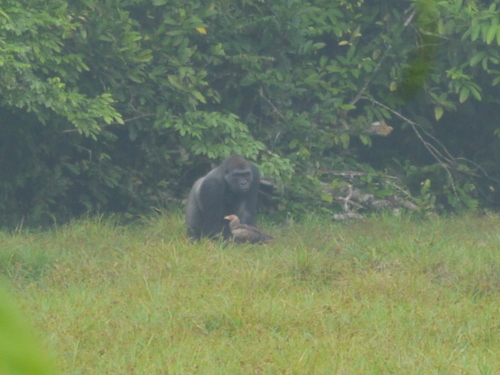
African Harrier-Hawk vs Palm-nut Vulture
Polyboroides typus versus Gypohierax angolensis
Play a quiz with African Harrier-Hawk and Palm-nut Vulture
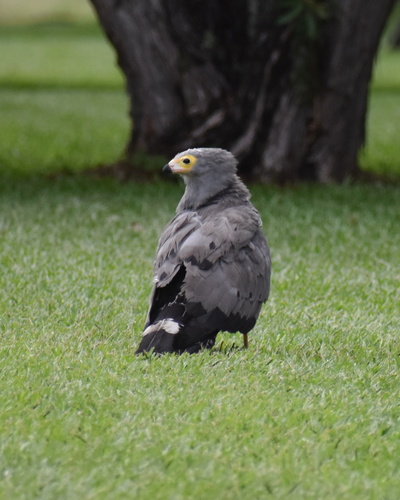
African Harrier-Hawk
In short
The African Harrier-Hawk and Palm-nut Vulture are both medium-sized raptors found in Africa, but they can be distinguished by their plumage and behavior. The African Harrier-Hawk has a distinctive bare facial skin that can change color, while the Palm-nut Vulture is notable for its white plumage with black flight feathers and tail. Behaviorally, the Harrier-Hawk is more versatile in its feeding habits, often seen clambering through trees.
Identification tips
- Look for the African Harrier-Hawk's bare facial skin that can change color, especially when excited. 2. Note the Palm-nut Vulture's striking white plumage with black flight feathers and tail. 3. Observe behavior: the Harrier-Hawk often clambers through trees, while the Palm-nut Vulture is more likely to be seen near palm trees. 4. Consider habitat: Palm-nut Vultures are often near palms, while Harrier-Hawks are more versatile.
Size
Both species are similar in size, but the African Harrier-Hawk may appear slightly more slender and elongated compared to the stockier Palm-nut Vulture.
Plumage
The African Harrier-Hawk has grey plumage with a distinctive bare, yellow face that can flush red, and black-and-white barred underparts. The Palm-nut Vulture is predominantly white with contrasting black flight feathers and tail, and a red facial patch.
Behaviour
The African Harrier-Hawk is known for its unique ability to climb trees using its wings and feet to extract prey from crevices, while the Palm-nut Vulture is often seen feeding on oil palm fruits and carrion.
Habitat
Both species inhabit a variety of wooded and open areas, but the Palm-nut Vulture is more closely associated with palm-rich habitats, whereas the African Harrier-Hawk is more adaptable to different environments.
Voice
Vocalizations are not a key distinguishing feature between these species in the field.