
African Marsh Harrier vs Pallid Harrier
Circus ranivorus versus Circus macrourus
Play a quiz with African Marsh Harrier and Pallid Harrier
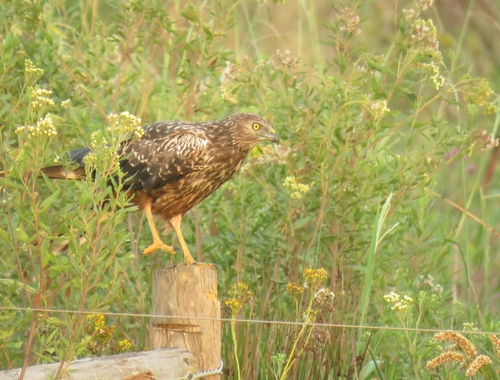
African Marsh Harrier
Pallid Harrier
In short
The African Marsh Harrier and Pallid Harrier can be distinguished by their structure and plumage. The African Marsh Harrier is bulkier with broader wings and a more robust build, while the Pallid Harrier is slimmer with longer wings and a more graceful flight. Plumage differences are notable, particularly in males: the African Marsh Harrier has a dark brown body with a contrasting pale head, whereas the Pallid Harrier male is pale grey with black wingtips.
Identification tips
- Structure: Look for the bulkier build and broader wings of the African Marsh Harrier compared to the slender, long-winged Pallid Harrier.
- Plumage: Note the dark brown body and pale head of the African Marsh Harrier male versus the pale grey body and black wingtips of the Pallid Harrier male.
- Habitat: African Marsh Harriers are more likely in wetlands, while Pallid Harriers are found in open fields.
- Flight Style: Observe the slow, deliberate wingbeats of the African Marsh Harrier versus the lighter, buoyant flight of the Pallid Harrier.
Size
The African Marsh Harrier is generally larger and bulkier compared to the more slender Pallid Harrier.
Plumage
Male African Marsh Harriers are dark brown with a pale head, while male Pallid Harriers are pale grey with black wingtips. Females and juveniles of both species are more similar, but the Pallid Harrier tends to have a more uniform appearance with less contrast.
Behaviour
The African Marsh Harrier often flies low over marshes with slow, deliberate wingbeats, while the Pallid Harrier is more likely to be seen in open fields, flying with a lighter, more buoyant flight.
Habitat
African Marsh Harriers are typically found in wetlands and marshes, whereas Pallid Harriers prefer open grasslands and agricultural fields.
Voice
Vocalizations are not a reliable field mark as both species are generally silent outside the breeding season.