Birdr

Amami Thrush vs Siberian Thrush

Zoothera major versus Geokichla sibirica

Play a quiz with Amami Thrush and Siberian Thrush
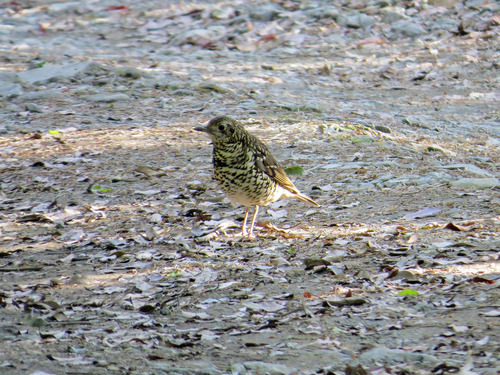
Amami Thrush (Zoothera major) Amami Thrush
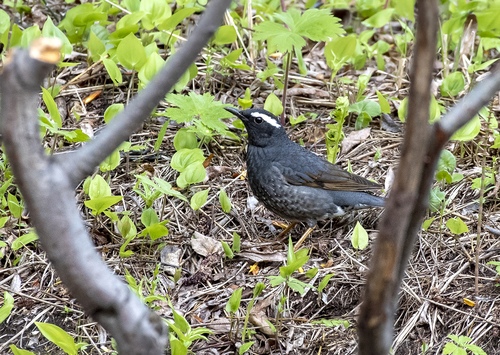
Siberian Thrush (Geokichla sibirica) Siberian Thrush

Media

Loading…

In short

The Amami Thrush and Siberian Thrush can be distinguished by their plumage and habitat preferences. The Amami Thrush is endemic to the Amami Islands, while the Siberian Thrush migrates across Asia. Key differences include the Amami Thrush's more uniform coloration and the Siberian Thrush's distinct sexual dimorphism.

Identification tips

  1. Location: Amami Thrush is found only on the Amami Islands; Siberian Thrush is migratory across Asia. 2. Plumage: Look for the male Siberian Thrush's black and white contrast; females have a clear supercilium. 3. Habitat: Amami Thrush prefers subtropical forests; Siberian Thrush is seen in dense forests during migration. 4. Season: Consider the time of year; Siberian Thrush is more likely seen during migration periods.

Size

Both species are similar in size, typical of medium-sized thrushes.

Plumage

The Amami Thrush has a more uniform brownish plumage with subtle spotting, while the male Siberian Thrush is strikingly black with a white belly and the female is brown with a distinct supercilium.

Behaviour

Both species are generally ground foragers, but the Siberian Thrush is more migratory, often seen during migration periods.

Habitat

The Amami Thrush is restricted to subtropical forests on the Amami Islands, whereas the Siberian Thrush breeds in dense, moist forests across Siberia and migrates to Southeast Asia.

Voice

Vocalizations are not well-documented for either species, but the Amami Thrush is known for a melodious song, while the Siberian Thrush's calls are less frequently noted.

Submit a better description

Use the same sections as the comparison. Your text is published immediately.

The Amami Thrush and Siberian Thrush can be distinguished by their plumage and habitat preferences. The Amami Thrush is endemic to the Amami Islands, while the Siberian Thrush migrates across Asia. Key differences include the Amami Thrush's more uniform coloration and the Siberian Thrush's distinct sexual dimorphism.

  1. Location: Amami Thrush is found only on the Amami Islands; Siberian Thrush is migratory across Asia. 2. Plumage: Look for the male Siberian Thrush's black and white contrast; females have a clear supercilium. 3. Habitat: Amami Thrush prefers subtropical forests; Siberian Thrush is seen in dense forests during migration. 4. Season: Consider the time of year; Siberian Thrush is more likely seen during migration periods.

Both species are similar in size, typical of medium-sized thrushes.

The Amami Thrush has a more uniform brownish plumage with subtle spotting, while the male Siberian Thrush is strikingly black with a white belly and the female is brown with a distinct supercilium.

Both species are generally ground foragers, but the Siberian Thrush is more migratory, often seen during migration periods.

The Amami Thrush is restricted to subtropical forests on the Amami Islands, whereas the Siberian Thrush breeds in dense, moist forests across Siberia and migrates to Southeast Asia.

Vocalizations are not well-documented for either species, but the Amami Thrush is known for a melodious song, while the Siberian Thrush's calls are less frequently noted.

Discard your changes?

You have unsaved edits. If you leave now, those changes will be lost.

Amami Thrush · Siberian Thrush · My Tricky Birds