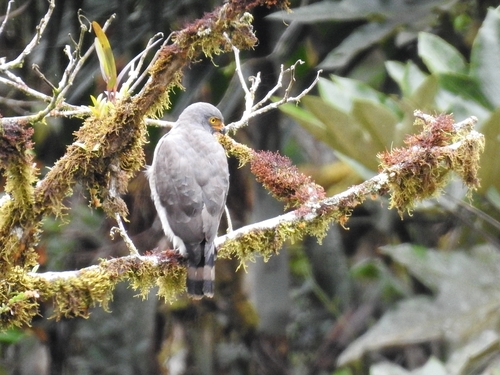
American Black Vulture vs Roadside Hawk
Coragyps atratus versus Rupornis magnirostris
Play a quiz with American Black Vulture and Roadside Hawk
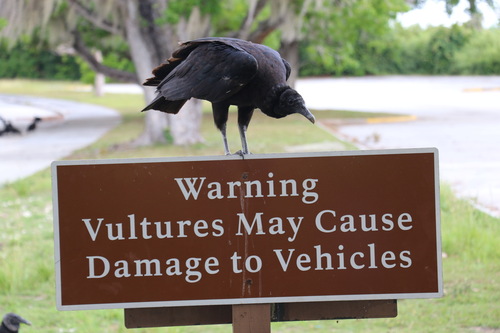
American Black Vulture
Roadside Hawk
In short
The American Black Vulture and the Roadside Hawk are distinct in both appearance and behavior. The Black Vulture is a large, predominantly black scavenger with a short tail and broad wings, while the Roadside Hawk is a smaller, more agile raptor with barred underparts and a longer tail. Observing their flight patterns and habitats can help differentiate them in the field.
Identification tips
- Size and Shape: Note the larger size and shorter tail of the Black Vulture compared to the smaller, more agile Roadside Hawk with a longer tail. 2. Plumage: Look for the Black Vulture's all-black appearance versus the Roadside Hawk's barred underparts and rufous tail. 3. Behavior: Observe the Black Vulture's communal soaring behavior versus the solitary hunting of the Roadside Hawk. 4. Habitat: Consider the open areas favored by Black Vultures and the forest edges preferred by Roadside Hawks.
Size
The American Black Vulture is significantly larger than the Roadside Hawk, with a wingspan that can reach up to 1.5 meters, compared to the Roadside Hawk's more compact size.
Plumage
The Black Vulture has uniform black plumage with a bare, black head, and short tail. In contrast, the Roadside Hawk has a more varied plumage with grayish-brown upperparts, barred underparts, and a distinctive rufous tail with dark bands.
Behaviour
Black Vultures are often seen soaring in groups, relying on sight to find carrion, while Roadside Hawks are solitary hunters, often seen perched along roadsides scanning for prey.
Habitat
Black Vultures are commonly found in open areas, often near human habitation where carrion is plentiful. Roadside Hawks prefer forest edges and open woodlands, often near roads.
Voice
Black Vultures are generally silent, occasionally making grunting or hissing sounds. Roadside Hawks have a distinctive, high-pitched call that can be heard during breeding season.