Birdr

Antarctic Tern vs Roseate Tern

Sterna vittata versus Sterna dougallii

Play a quiz with Antarctic Tern and Roseate Tern
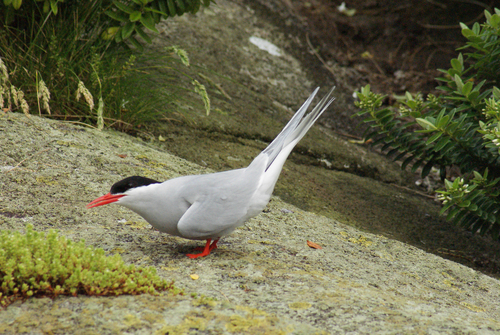
Antarctic Tern (Sterna vittata) Antarctic Tern
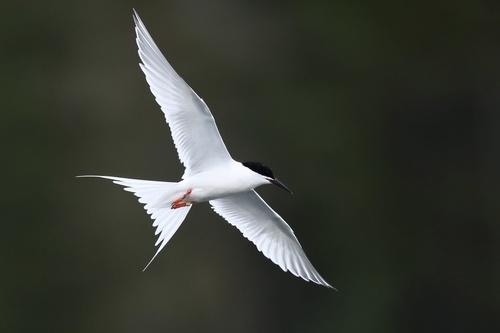
Roseate Tern (Sterna dougallii) Roseate Tern

Media

Loading…

In short

Antarctic Tern and Roseate Tern can be challenging to differentiate due to overlapping plumage features, but key differences in structure and habitat can aid identification. Antarctic Terns are generally more robust with shorter tails, while Roseate Terns have a more slender appearance with longer tails and a distinctive pink blush during breeding season.

Identification tips

  1. Structure: Look for the more robust build and shorter tail of the Antarctic Tern versus the slender build and longer tail of the Roseate Tern. 2. Plumage: In breeding season, check for the pink blush on Roseate Terns, absent in Antarctic Terns. 3. Behavior: Note any 'gakkering' threat displays, which are characteristic of Roseate Terns. 4. Habitat: Consider the location; Antarctic Terns are found in colder southern regions, while Roseate Terns are more tropical and subtropical. 5. Vocalization: Listen for the grating calls of Roseate Terns, which are distinct from the less documented calls of Antarctic Terns.

Size

Antarctic Tern is typically more robust and slightly larger compared to the more slender Roseate Tern.

Plumage

Antarctic Terns vary in plumage across populations but generally lack the pink blush seen in Roseate Terns during breeding season. Roseate Terns have a more uniform light grey and white appearance with a distinctive pinkish hue on the underparts in fresh plumage.

Behaviour

Roseate Terns are known for their 'gakkering' threat display and grating flight calls, behaviors not noted in Antarctic Terns.

Habitat

Antarctic Terns are circumpolar and can be found in colder, southern regions, often migrating to southern Africa. Roseate Terns are primarily tropical and subtropical, with breeding colonies in temperate regions like the North Atlantic and Caribbean.

Voice

Roseate Terns have distinctive grating flight calls and 'gakkering' displays, while Antarctic Tern vocalizations are less documented and not highlighted as distinctive.

Submit a better description

Use the same sections as the comparison. Your text is published immediately.

Antarctic Tern and Roseate Tern can be challenging to differentiate due to overlapping plumage features, but key differences in structure and habitat can aid identification. Antarctic Terns are generally more robust with shorter tails, while Roseate Terns have a more slender appearance with longer tails and a distinctive pink blush during breeding season.

  1. Structure: Look for the more robust build and shorter tail of the Antarctic Tern versus the slender build and longer tail of the Roseate Tern. 2. Plumage: In breeding season, check for the pink blush on Roseate Terns, absent in Antarctic Terns. 3. Behavior: Note any 'gakkering' threat displays, which are characteristic of Roseate Terns. 4. Habitat: Consider the location; Antarctic Terns are found in colder southern regions, while Roseate Terns are more tropical and subtropical. 5. Vocalization: Listen for the grating calls of Roseate Terns, which are distinct from the less documented calls of Antarctic Terns.

Antarctic Tern is typically more robust and slightly larger compared to the more slender Roseate Tern.

Antarctic Terns vary in plumage across populations but generally lack the pink blush seen in Roseate Terns during breeding season. Roseate Terns have a more uniform light grey and white appearance with a distinctive pinkish hue on the underparts in fresh plumage.

Roseate Terns are known for their 'gakkering' threat display and grating flight calls, behaviors not noted in Antarctic Terns.

Antarctic Terns are circumpolar and can be found in colder, southern regions, often migrating to southern Africa. Roseate Terns are primarily tropical and subtropical, with breeding colonies in temperate regions like the North Atlantic and Caribbean.

Roseate Terns have distinctive grating flight calls and 'gakkering' displays, while Antarctic Tern vocalizations are less documented and not highlighted as distinctive.

Discard your changes?

You have unsaved edits. If you leave now, those changes will be lost.

Antarctic Tern · Roseate Tern · My Tricky Birds