
Baillon's Crake vs Common Crane
Zapornia pusilla versus Grus grus
Play a quiz with Baillon's Crake and Common Crane
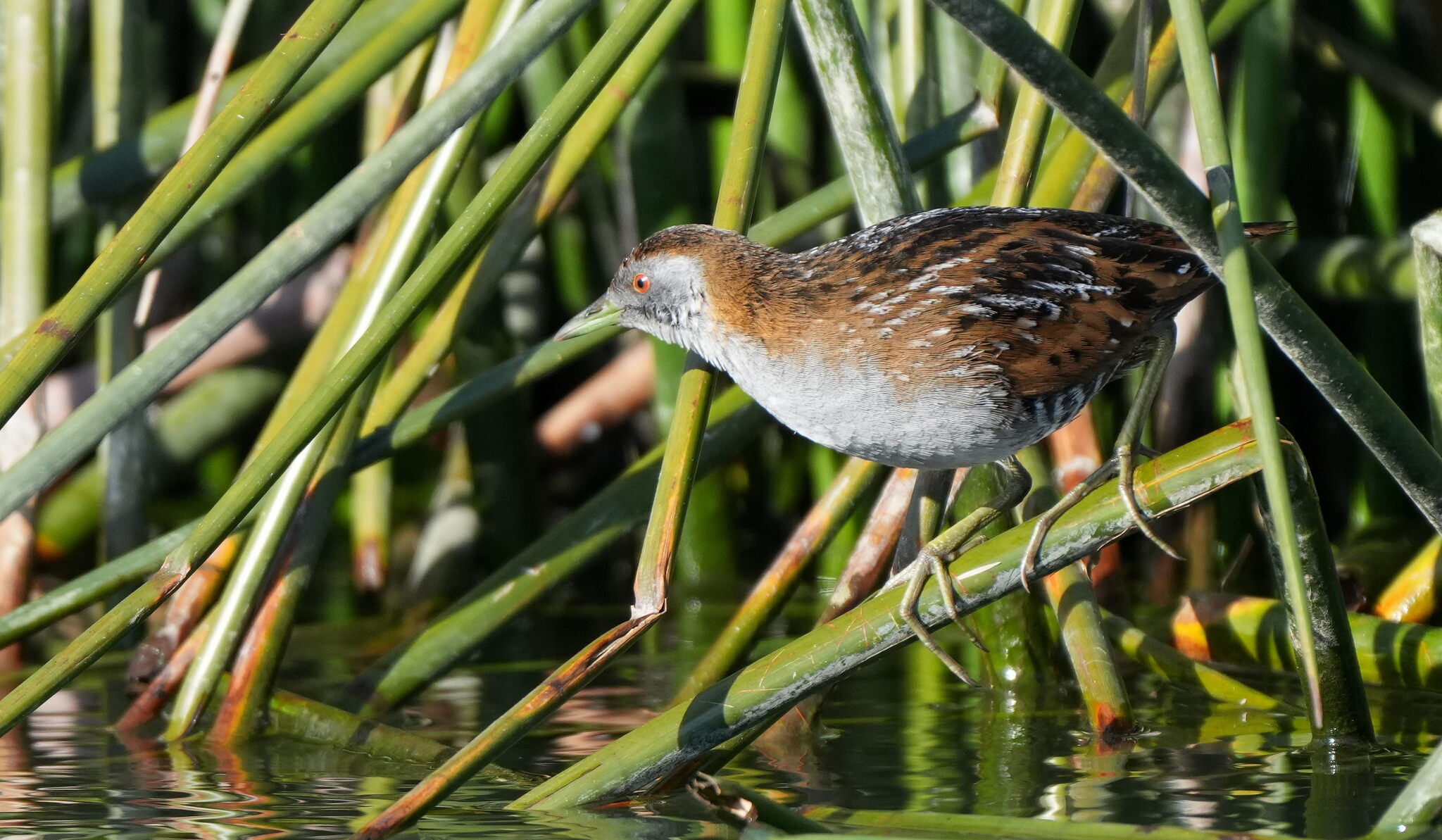 Baillon's Crake
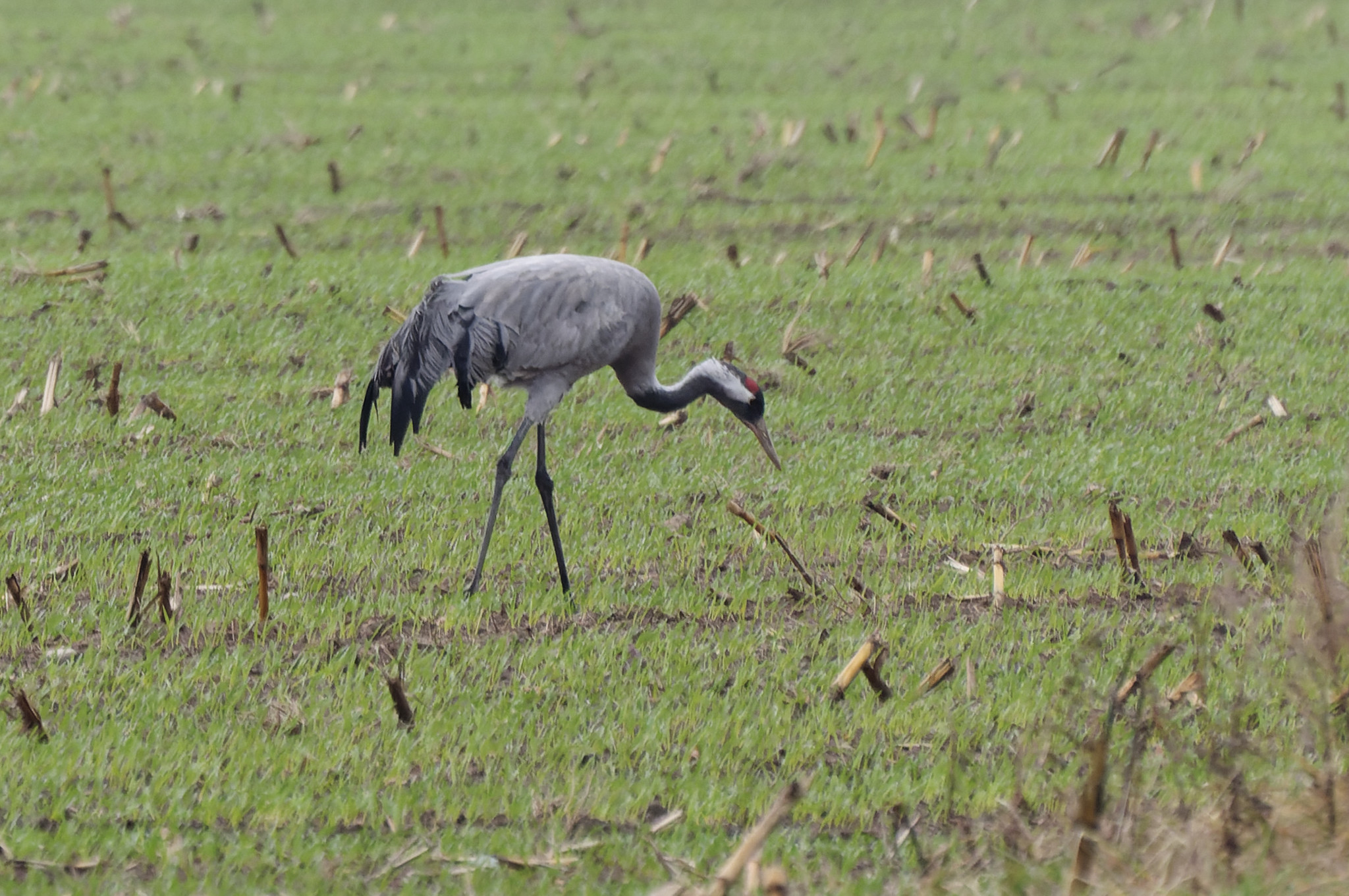 Common Crane
In short
Baillon's Crake and Common Crane are easily distinguished by size and structure. The Common Crane is significantly larger and more robust, while Baillon's Crake is small and compact. Observing their habitat preferences can also aid in identification.
Identification tips
- Size: Common Crane is much larger and more visible. 2. Plumage: Look for the grey body and black neck of the Common Crane versus the mottled brown of Baillon's Crake. 3. Habitat: Observe the environment; Cranes are in open areas, Crakes in dense marshes. 4. Behavior: Cranes are often seen in pairs or flocks, Crakes are solitary. 5. Vocalization: Listen for the loud trumpeting of the Crane compared to the softer calls of the Crake.
Size
The Common Crane is much larger, standing at about 100-130 cm tall, whereas Baillon's Crake is a small bird, approximately 18-20 cm in length.
Plumage
Baillon's Crake has a mottled brown and white plumage with a distinctive barred pattern on the flanks, while the Common Crane is primarily grey with a white facial streak and a black neck.
Behaviour
Baillon's Crake is secretive and often seen skulking in dense vegetation, whereas the Common Crane is more conspicuous, often seen in open fields or wetlands, and is known for its graceful flight and elaborate courtship dances.
Habitat
Baillon's Crake prefers dense marsh vegetation and reed beds, while the Common Crane is found in open wetlands, fields, and sometimes agricultural lands.
Voice
The Common Crane is known for its loud, trumpeting calls, often heard during migration or in breeding areas. Baillon's Crake has a softer, less conspicuous call, often described as a series of 'prrr' notes.