Birdr

Band-rumped Storm-Petrel vs Trindade Petrel

Hydrobates castro versus Pterodroma arminjoniana

Play a quiz with Band-rumped Storm-Petrel and Trindade Petrel
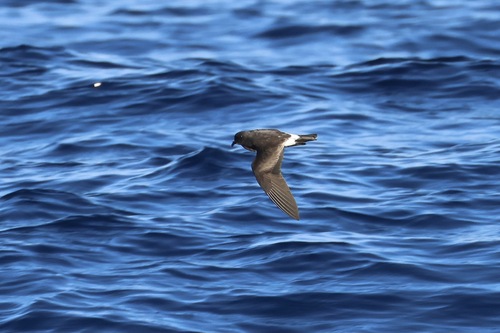
Band-rumped Storm-Petrel (Hydrobates castro) Band-rumped Storm-Petrel
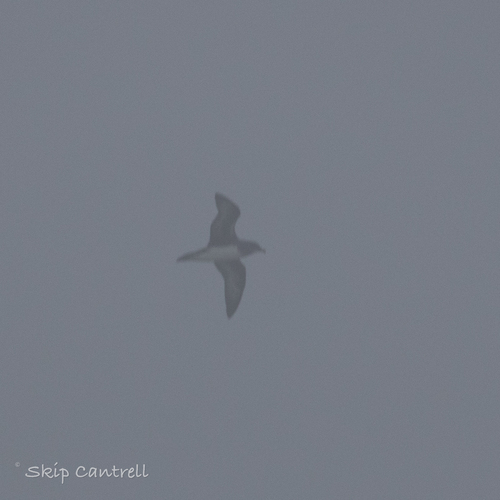
Trindade Petrel (Pterodroma arminjoniana) Trindade Petrel

Media

Loading…

In short

The Band-rumped Storm-Petrel and Trindade Petrel are both seabirds but differ significantly in size and flight style. Band-rumped Storm-Petrels are smaller and exhibit a more fluttery flight, while Trindade Petrels are larger with a more powerful, gliding flight. Both species can be challenging to identify at sea due to their similar dark plumage.

Identification tips

  1. Look for the white rump patch on Band-rumped Storm-Petrels. 2. Note the flight style: fluttery and erratic for Band-rumped, powerful and gliding for Trindade. 3. Consider size: Band-rumped is smaller and more compact. 4. Be aware of the potential for dark and light morphs in Trindade Petrels.

Size

Band-rumped Storm-Petrel is smaller and more compact compared to the larger and more robust Trindade Petrel.

Plumage

Both species have predominantly dark plumage, but the Trindade Petrel can exhibit both dark and light morphs. Band-rumped Storm-Petrels typically have a white rump patch, which is a key distinguishing feature.

Behaviour

Band-rumped Storm-Petrels have a fluttery, erratic flight pattern, often skimming low over the water. Trindade Petrels, on the other hand, have a more direct and powerful flight, often soaring and gliding.

Habitat

Both species are pelagic, spending most of their time far out at sea. Band-rumped Storm-Petrels breed on remote islands, while Trindade Petrels are known to breed on Trindade Island in the South Atlantic.

Voice

Vocalizations are not typically used for field identification at sea, and there is limited information on distinguishing calls for these species.

Submit a better description

Use the same sections as the comparison. Your text is published immediately.

The Band-rumped Storm-Petrel and Trindade Petrel are both seabirds but differ significantly in size and flight style. Band-rumped Storm-Petrels are smaller and exhibit a more fluttery flight, while Trindade Petrels are larger with a more powerful, gliding flight. Both species can be challenging to identify at sea due to their similar dark plumage.

  1. Look for the white rump patch on Band-rumped Storm-Petrels. 2. Note the flight style: fluttery and erratic for Band-rumped, powerful and gliding for Trindade. 3. Consider size: Band-rumped is smaller and more compact. 4. Be aware of the potential for dark and light morphs in Trindade Petrels.

Band-rumped Storm-Petrel is smaller and more compact compared to the larger and more robust Trindade Petrel.

Both species have predominantly dark plumage, but the Trindade Petrel can exhibit both dark and light morphs. Band-rumped Storm-Petrels typically have a white rump patch, which is a key distinguishing feature.

Band-rumped Storm-Petrels have a fluttery, erratic flight pattern, often skimming low over the water. Trindade Petrels, on the other hand, have a more direct and powerful flight, often soaring and gliding.

Both species are pelagic, spending most of their time far out at sea. Band-rumped Storm-Petrels breed on remote islands, while Trindade Petrels are known to breed on Trindade Island in the South Atlantic.

Vocalizations are not typically used for field identification at sea, and there is limited information on distinguishing calls for these species.

Discard your changes?

You have unsaved edits. If you leave now, those changes will be lost.

Band-rumped Storm-Petrel · Trindade Petrel · My Tricky Birds