
Birdr

Band-rumped Storm-Petrel vs Wedge-rumped Storm-Petrel

Hydrobates castro versus Hydrobates tethys

Play a quiz with Band-rumped Storm-Petrel and Wedge-rumped Storm-Petrel
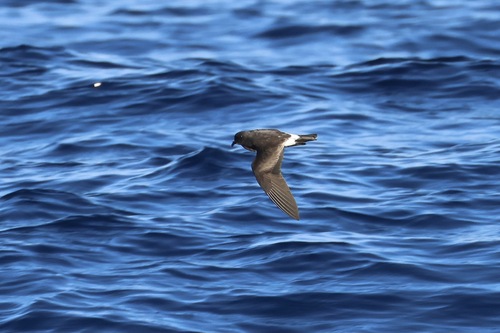
Band-rumped Storm-Petrel (Hydrobates castro) Band-rumped Storm-Petrel
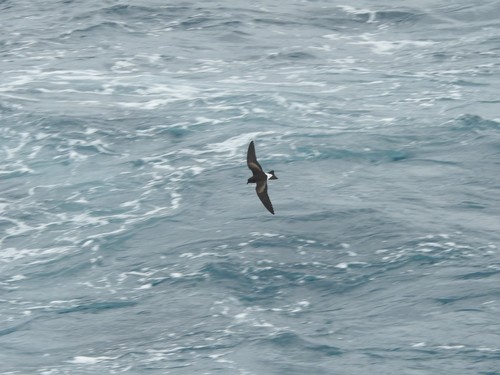
Wedge-rumped Storm-Petrel (Hydrobates tethys) Wedge-rumped Storm-Petrel

Media

Loading…

In short

The Wedge-rumped Storm-Petrel (Hydrobates tethys) and the Band-rumped Storm-Petrel (Hydrobates castro) are both members of the Hydrobatinae subfamily, yet they possess distinct features that aid in identification. The Wedge-rumped Storm-Petrel is generally characterized by its wedge-shaped tail and darker underparts, whereas the Band-rumped Storm-Petrel has a more prominent band on its rump, lighter underparts, and different foraging behaviors.

Identification tips

  1. Birds of the World Similar-Species Diagnostics:
  2. The Wedge-rumped Storm-Petrel is noted for having a wedge-shaped tail and darker underparts. In contrast, the Band-rumped Storm-Petrel features a distinct band across its rump and lighter underparts. These differences are critical for field identification as highlighted in the Birds of the World sources.

  3. AI Field Diagnostics:

  4. Size and Shape: Look for the overall body shape; the Wedge-rumped appears more robust and compact, while the Band-rumped is slender and elongated.
  5. Plumage: The dark underparts of the Wedge-rumped Storm-Petrel can make it blend into the ocean, whereas the lighter underparts of the Band-rumped make it stand out more against the water.
  6. Flight Behavior: Observe the flight patterns; the Wedge-rumped often dips and flutters erratically, while the Band-rumped may glide more smoothly and consistently.
  7. Breeding Behavior: If observed near their breeding colonies, note the timing; Band-rumped Storm-Petrels are more active at dusk and dawn, while Wedge-rumped Storm-Petrels may be seen throughout the day.
  8. Rump Band: The most striking field mark is the dark band on the Band-rumped’s rump, which is absent in the Wedge-rumped Storm-Petrel. This can be a useful feature to note when the birds are in flight.

By focusing on these key differences, birdwatchers will have a better chance of accurately identifying these two closely related storm-petrel species in the field.

Size

Both species are similar in size, generally measuring around 25-30 cm in length with a wingspan of approximately 60-70 cm. However, the Wedge-rumped Storm-Petrel tends to have a slightly more robust body compared to the Band-rumped Storm-Petrel, which can appear more slender in flight.

Plumage

Behaviour

Habitat

Both species prefer remote oceanic environments, but their breeding habitats differ. The Wedge-rumped Storm-Petrel typically breeds on rocky islands in the Mediterranean and Atlantic regions, whereas the Band-rumped Storm-Petrel breeds on various islands across the North Atlantic, including the Azores and Galápagos Islands.

Voice

While both species are generally quiet at sea, the Band-rumped Storm-Petrel is known to emit a variety of soft cooing sounds during the breeding season, particularly when calling from the nesting burrows. The Wedge-rumped Storm-Petrel's vocalizations are less documented but are similarly subtle, often characterized by low, muffled calls.

Submit a better description

Use the same sections as the comparison. Your text is published immediately.

The Wedge-rumped Storm-Petrel (Hydrobates tethys) and the Band-rumped Storm-Petrel (Hydrobates castro) are both members of the Hydrobatinae subfamily, yet they possess distinct features that aid in identification. The Wedge-rumped Storm-Petrel is generally characterized by its wedge-shaped tail and darker underparts, whereas the Band-rumped Storm-Petrel has a more prominent band on its rump, lighter underparts, and different foraging behaviors.

  1. Birds of the World Similar-Species Diagnostics:
  2. The Wedge-rumped Storm-Petrel is noted for having a wedge-shaped tail and darker underparts. In contrast, the Band-rumped Storm-Petrel features a distinct band across its rump and lighter underparts. These differences are critical for field identification as highlighted in the Birds of the World sources.

  3. AI Field Diagnostics:

  4. Size and Shape: Look for the overall body shape; the Wedge-rumped appears more robust and compact, while the Band-rumped is slender and elongated.
  5. Plumage: The dark underparts of the Wedge-rumped Storm-Petrel can make it blend into the ocean, whereas the lighter underparts of the Band-rumped make it stand out more against the water.
  6. Flight Behavior: Observe the flight patterns; the Wedge-rumped often dips and flutters erratically, while the Band-rumped may glide more smoothly and consistently.
  7. Breeding Behavior: If observed near their breeding colonies, note the timing; Band-rumped Storm-Petrels are more active at dusk and dawn, while Wedge-rumped Storm-Petrels may be seen throughout the day.
  8. Rump Band: The most striking field mark is the dark band on the Band-rumped’s rump, which is absent in the Wedge-rumped Storm-Petrel. This can be a useful feature to note when the birds are in flight.

By focusing on these key differences, birdwatchers will have a better chance of accurately identifying these two closely related storm-petrel species in the field.

Both species are similar in size, generally measuring around 25-30 cm in length with a wingspan of approximately 60-70 cm. However, the Wedge-rumped Storm-Petrel tends to have a slightly more robust body compared to the Band-rumped Storm-Petrel, which can appear more slender in flight.

  • Wedge-rumped Storm-Petrel: This species displays a darker overall plumage with a distinctive wedge-shaped tail. The underparts are generally darker, which can blend with oceanic waters, making them less visible.
  • Band-rumped Storm-Petrel: In contrast, the Band-rumped Storm-Petrel has lighter underparts and a notable dark band across the rump. Its plumage is less uniform, with a more pronounced contrast between the upper and underparts.
  • Wedge-rumped Storm-Petrel: Known for its agile flight, it often forages in a more erratic manner, frequently dipping and fluttering over the water's surface to catch small marine organisms.
  • Band-rumped Storm-Petrel: This species tends to be more nocturnal, returning to land only after dark to feed its young. During the day, it can often be seen flying in a more stable, steady manner, gliding gracefully over the ocean.

Both species prefer remote oceanic environments, but their breeding habitats differ. The Wedge-rumped Storm-Petrel typically breeds on rocky islands in the Mediterranean and Atlantic regions, whereas the Band-rumped Storm-Petrel breeds on various islands across the North Atlantic, including the Azores and Galápagos Islands.

While both species are generally quiet at sea, the Band-rumped Storm-Petrel is known to emit a variety of soft cooing sounds during the breeding season, particularly when calling from the nesting burrows. The Wedge-rumped Storm-Petrel's vocalizations are less documented but are similarly subtle, often characterized by low, muffled calls.

Discard your changes?

You have unsaved edits. If you leave now, those changes will be lost.

Band-rumped Storm-Petrel · Wedge-rumped Storm-Petrel · My Tricky Birds