Birdr

Band-winged Nightjar vs Common Pauraque

Systellura longirostris versus Nyctidromus albicollis

Play a quiz with Band-winged Nightjar and Common Pauraque
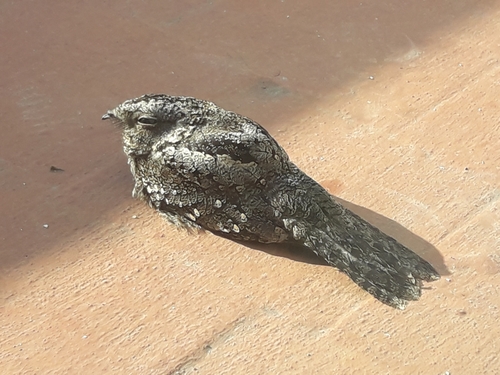
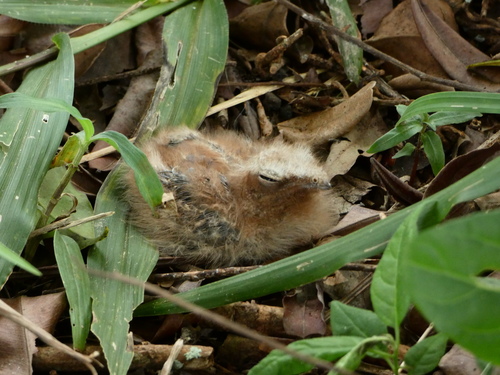
Band-winged Nightjar (Systellura longirostris) Band-winged Nightjar
Common Pauraque (Nyctidromus albicollis) Common Pauraque

Media

Loading…

In short

The Band-winged Nightjar and Common Pauraque can be distinguished by their tail shape and vocalizations. The Band-winged Nightjar has a long, square tail with a rufous hindcollar, while the Common Pauraque has a long, rounded tail with substantial white in the rectrices. Their calls are also distinct, with the Band-winged Nightjar producing a loud, slurred whistle and the Common Pauraque known for its 'hip-hip-hooray' song.

Identification tips

1. Tail Shape: Look for the square tail of the Band-winged Nightjar versus the rounded tail with white in the Common Pauraque. 2. Vocalizations: Listen for the Band-winged Nightjar's whistle compared to the Pauraque's 'hip-hip-hooray' song. 3. Plumage Patterns: Note the rufous hindcollar of the Band-winged Nightjar and the white band on the primaries of the Common Pauraque.

Size

Both species are similar in size, with the Common Pauraque being slightly larger and more robust.

Plumage

The Band-winged Nightjar has a cryptic, mottled gray and brown plumage with a distinctive rufous hindcollar. The Common Pauraque has intricate patterns of browns, buffs, grays, and blacks, with a notable white band across the primaries.

Behaviour

Both species are terrestrial and crepuscular, often seen foraging on the ground. The Band-winged Nightjar tends to make short, erratic flights when flushed, while the Common Pauraque is known for its terrestrial foraging behavior.

Habitat

Both species occupy similar habitats in tropical and subtropical regions, often found in open areas with sparse vegetation.

Voice

The Band-winged Nightjar's call is a loud, slurred, two-part whistle, while the Common Pauraque's song is a breezy 'hip-hip hip-hip hip-hip-hooray', making vocalizations a reliable distinguishing feature.

Submit a better description

Use the same sections as the comparison. Your text is published immediately.

The Band-winged Nightjar and Common Pauraque can be distinguished by their tail shape and vocalizations. The Band-winged Nightjar has a long, square tail with a rufous hindcollar, while the Common Pauraque has a long, rounded tail with substantial white in the rectrices. Their calls are also distinct, with the Band-winged Nightjar producing a loud, slurred whistle and the Common Pauraque known for its 'hip-hip-hooray' song.

1. Tail Shape: Look for the square tail of the Band-winged Nightjar versus the rounded tail with white in the Common Pauraque. 2. Vocalizations: Listen for the Band-winged Nightjar's whistle compared to the Pauraque's 'hip-hip-hooray' song. 3. Plumage Patterns: Note the rufous hindcollar of the Band-winged Nightjar and the white band on the primaries of the Common Pauraque.

Both species are similar in size, with the Common Pauraque being slightly larger and more robust.

The Band-winged Nightjar has a cryptic, mottled gray and brown plumage with a distinctive rufous hindcollar. The Common Pauraque has intricate patterns of browns, buffs, grays, and blacks, with a notable white band across the primaries.

Both species are terrestrial and crepuscular, often seen foraging on the ground. The Band-winged Nightjar tends to make short, erratic flights when flushed, while the Common Pauraque is known for its terrestrial foraging behavior.

Both species occupy similar habitats in tropical and subtropical regions, often found in open areas with sparse vegetation.

The Band-winged Nightjar's call is a loud, slurred, two-part whistle, while the Common Pauraque's song is a breezy 'hip-hip hip-hip hip-hip-hooray', making vocalizations a reliable distinguishing feature.

Discard your changes?

You have unsaved edits. If you leave now, those changes will be lost.

Band-winged Nightjar · Common Pauraque · My Tricky Birds