Birdr

Banded Woodpecker vs White-bellied Woodpecker

Chrysophlegma miniaceum versus Dryocopus javensis

Play a quiz with Banded Woodpecker and White-bellied Woodpecker
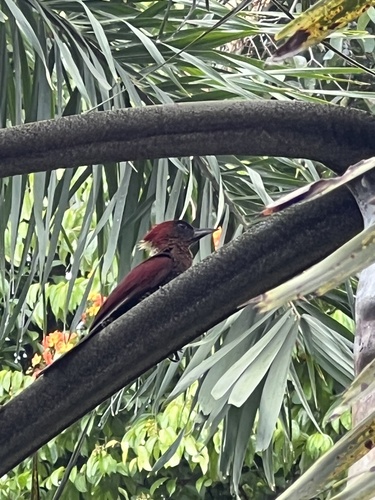
Banded Woodpecker (Chrysophlegma miniaceum) Banded Woodpecker
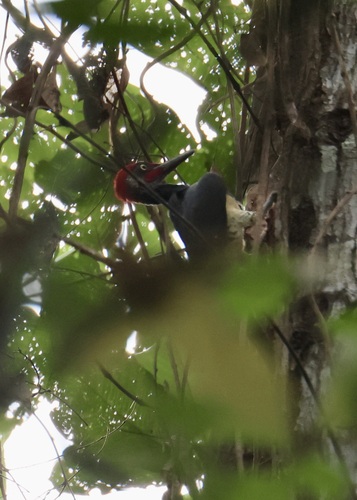
White-bellied Woodpecker (Dryocopus javensis) White-bellied Woodpecker

Media

Loading…

In short

The Banded Woodpecker and White-bellied Woodpecker are both striking woodpeckers but differ significantly in size and plumage. The Banded Woodpecker is smaller with a more intricate pattern, while the White-bellied Woodpecker is larger and has a distinctive white belly. These differences are most apparent when observed in the field.

Identification tips

  1. Size: Use size as a primary differentiator; the White-bellied Woodpecker is much larger. 2. Plumage: Look for the white belly and red crest on the White-bellied Woodpecker. 3. Habitat: Consider the type of forest; denser forests may indicate the presence of the Banded Woodpecker. 4. Vocalizations: Listen for the more complex calls of the Banded Woodpecker.

Size

The Banded Woodpecker is notably smaller than the White-bellied Woodpecker.

Plumage

The Banded Woodpecker has a complex pattern with a banded appearance, while the White-bellied Woodpecker is primarily black with a prominent white belly and red crest.

Behaviour

Both species exhibit typical woodpecker behavior, such as drumming and foraging on tree trunks, but the larger White-bellied Woodpecker may be more conspicuous due to its size.

Habitat

Both species inhabit forested areas, but the Banded Woodpecker is more often found in dense, humid forests, whereas the White-bellied Woodpecker can be seen in a wider range of forest types.

Voice

The vocalizations of these species differ, with the Banded Woodpecker having a more complex call compared to the simpler calls of the White-bellied Woodpecker.

Submit a better description

Use the same sections as the comparison. Your text is published immediately.

The Banded Woodpecker and White-bellied Woodpecker are both striking woodpeckers but differ significantly in size and plumage. The Banded Woodpecker is smaller with a more intricate pattern, while the White-bellied Woodpecker is larger and has a distinctive white belly. These differences are most apparent when observed in the field.

  1. Size: Use size as a primary differentiator; the White-bellied Woodpecker is much larger. 2. Plumage: Look for the white belly and red crest on the White-bellied Woodpecker. 3. Habitat: Consider the type of forest; denser forests may indicate the presence of the Banded Woodpecker. 4. Vocalizations: Listen for the more complex calls of the Banded Woodpecker.

The Banded Woodpecker is notably smaller than the White-bellied Woodpecker.

The Banded Woodpecker has a complex pattern with a banded appearance, while the White-bellied Woodpecker is primarily black with a prominent white belly and red crest.

Both species exhibit typical woodpecker behavior, such as drumming and foraging on tree trunks, but the larger White-bellied Woodpecker may be more conspicuous due to its size.

Both species inhabit forested areas, but the Banded Woodpecker is more often found in dense, humid forests, whereas the White-bellied Woodpecker can be seen in a wider range of forest types.

The vocalizations of these species differ, with the Banded Woodpecker having a more complex call compared to the simpler calls of the White-bellied Woodpecker.

Discard your changes?

You have unsaved edits. If you leave now, those changes will be lost.

Banded Woodpecker · White-bellied Woodpecker · My Tricky Birds