Birdr

Barbary Partridge vs Double-spurred Spurfowl

Alectoris barbara versus Pternistis bicalcaratus

Play a quiz with Barbary Partridge and Double-spurred Spurfowl
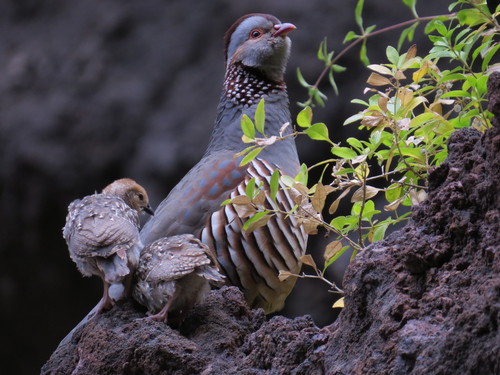
Barbary Partridge (Alectoris barbara) Barbary Partridge
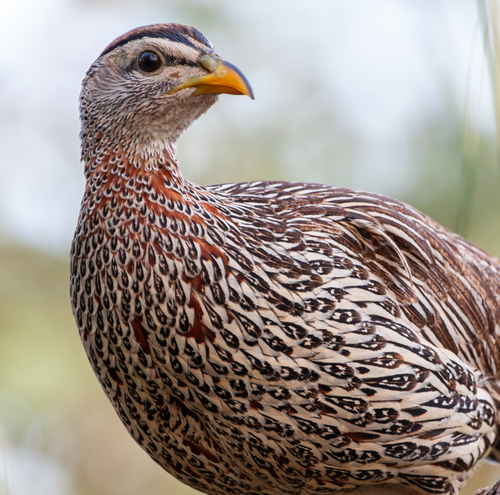
Double-spurred Spurfowl (Pternistis bicalcaratus) Double-spurred Spurfowl

Media

Loading…

In short

The Barbary Partridge and Double-spurred Spurfowl are both ground-dwelling birds of the Phasianidae family, but they can be distinguished by their leg spurs and plumage patterns. The Double-spurred Spurfowl is notable for its two spurs on each leg, while the Barbary Partridge lacks these. Plumage differences include the Barbary Partridge's more uniform and less streaked appearance compared to the spurfowl's streaked and mottled look.

Identification tips

  1. Check for leg spurs: Double-spurred Spurfowl has two spurs on each leg, while Barbary Partridge does not. 2. Observe plumage: Look for the Barbary Partridge's chestnut crown and less streaked body compared to the spurfowl's mottled plumage. 3. Listen for calls: Barbary Partridge has loud, repeated calls; Double-spurred Spurfowl has a mix of whistles and clucks. 4. Consider habitat: Barbary Partridge in rocky, arid areas; Double-spurred Spurfowl in savannahs and open woodlands.

Size

Both species are similar in size, typical of medium-sized game birds, but the Double-spurred Spurfowl may appear slightly bulkier.

Plumage

The Barbary Partridge has a more uniform plumage with a distinctive chestnut crown and nape, while the Double-spurred Spurfowl features a streaked and mottled appearance with a more variable pattern on the back and wings.

Behaviour

Both species are ground-dwelling and often seen foraging on the ground. The Double-spurred Spurfowl may be more likely to be seen in small groups compared to the Barbary Partridge.

Habitat

Barbary Partridges are typically found in rocky and arid regions, often in open habitats with sparse vegetation. In contrast, Double-spurred Spurfowls prefer savannahs and open woodlands, often near water sources.

Voice

The vocalizations of these species differ, with the Barbary Partridge having a series of loud, repeated calls, while the Double-spurred Spurfowl's calls are more varied and include a mix of whistles and clucks.

Submit a better description

Use the same sections as the comparison. Your text is published immediately.

The Barbary Partridge and Double-spurred Spurfowl are both ground-dwelling birds of the Phasianidae family, but they can be distinguished by their leg spurs and plumage patterns. The Double-spurred Spurfowl is notable for its two spurs on each leg, while the Barbary Partridge lacks these. Plumage differences include the Barbary Partridge's more uniform and less streaked appearance compared to the spurfowl's streaked and mottled look.

  1. Check for leg spurs: Double-spurred Spurfowl has two spurs on each leg, while Barbary Partridge does not. 2. Observe plumage: Look for the Barbary Partridge's chestnut crown and less streaked body compared to the spurfowl's mottled plumage. 3. Listen for calls: Barbary Partridge has loud, repeated calls; Double-spurred Spurfowl has a mix of whistles and clucks. 4. Consider habitat: Barbary Partridge in rocky, arid areas; Double-spurred Spurfowl in savannahs and open woodlands.

Both species are similar in size, typical of medium-sized game birds, but the Double-spurred Spurfowl may appear slightly bulkier.

The Barbary Partridge has a more uniform plumage with a distinctive chestnut crown and nape, while the Double-spurred Spurfowl features a streaked and mottled appearance with a more variable pattern on the back and wings.

Both species are ground-dwelling and often seen foraging on the ground. The Double-spurred Spurfowl may be more likely to be seen in small groups compared to the Barbary Partridge.

Barbary Partridges are typically found in rocky and arid regions, often in open habitats with sparse vegetation. In contrast, Double-spurred Spurfowls prefer savannahs and open woodlands, often near water sources.

The vocalizations of these species differ, with the Barbary Partridge having a series of loud, repeated calls, while the Double-spurred Spurfowl's calls are more varied and include a mix of whistles and clucks.

Discard your changes?

You have unsaved edits. If you leave now, those changes will be lost.

Barbary Partridge · Double-spurred Spurfowl · My Tricky Birds