Birdr

Barred Antshrike vs Black-crowned Antshrike

Thamnophilus doliatus versus Thamnophilus atrinucha

Play a quiz with Barred Antshrike and Black-crowned Antshrike
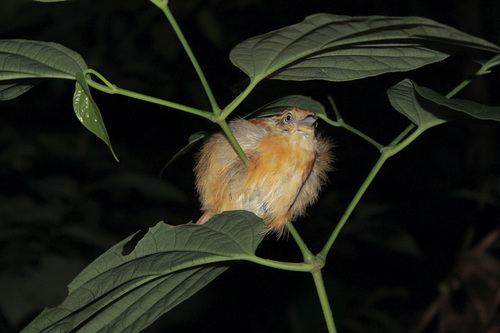
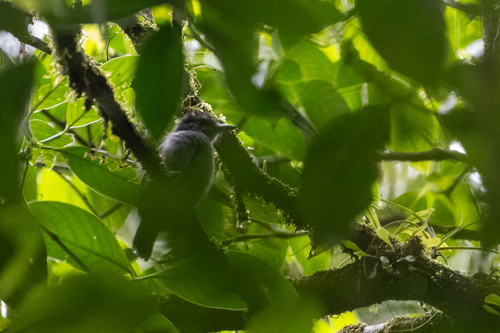
Barred Antshrike (Thamnophilus doliatus) Barred Antshrike
Black-crowned Antshrike (Thamnophilus atrinucha) Black-crowned Antshrike

Media

Loading…

In short

The Barred Antshrike and Black-crowned Antshrike can be distinguished by plumage and behavior. The Barred Antshrike male has distinctive black and white barring, while the Black-crowned Antshrike male features a black crown and more uniform coloration. Both species are found in similar habitats, but their vocalizations and specific behaviors can aid in identification.

Identification tips

1. Look for the distinct black and white barring on male Barred Antshrikes. 2. Note the cinnamon-rufous coloration of female Barred Antshrikes. 3. Observe behavior: Barred Antshrikes display more during singing. 4. Listen for song differences, especially duets in Barred Antshrikes. 5. Consider habitat: Barred Antshrikes are more common in secondary growth.

Size

Both species are similar in size, typical of the Thamnophilus genus.

Plumage

Male Barred Antshrikes have alternating black and white bars across their plumage, while females are cinnamon-rufous with lighter ochraceous-buff breasts. In contrast, male Black-crowned Antshrikes have a black crown and are generally more uniformly colored without the striking barring.

Behaviour

Barred Antshrikes often display head bobbing and tail wagging during song, exposing a white patch on the crown. Black-crowned Antshrikes are less likely to exhibit such displays.

Habitat

Both species inhabit tropical forests, but the Barred Antshrike is more commonly associated with secondary growth and edges, while the Black-crowned Antshrike is found in both primary and secondary forests.

Voice

Barred Antshrikes produce a 2-3 second song often performed in duets, while Black-crowned Antshrikes have a different song pattern. Listening for these differences can be helpful.

Submit a better description

Use the same sections as the comparison. Your text is published immediately.

The Barred Antshrike and Black-crowned Antshrike can be distinguished by plumage and behavior. The Barred Antshrike male has distinctive black and white barring, while the Black-crowned Antshrike male features a black crown and more uniform coloration. Both species are found in similar habitats, but their vocalizations and specific behaviors can aid in identification.

1. Look for the distinct black and white barring on male Barred Antshrikes. 2. Note the cinnamon-rufous coloration of female Barred Antshrikes. 3. Observe behavior: Barred Antshrikes display more during singing. 4. Listen for song differences, especially duets in Barred Antshrikes. 5. Consider habitat: Barred Antshrikes are more common in secondary growth.

Both species are similar in size, typical of the Thamnophilus genus.

Male Barred Antshrikes have alternating black and white bars across their plumage, while females are cinnamon-rufous with lighter ochraceous-buff breasts. In contrast, male Black-crowned Antshrikes have a black crown and are generally more uniformly colored without the striking barring.

Barred Antshrikes often display head bobbing and tail wagging during song, exposing a white patch on the crown. Black-crowned Antshrikes are less likely to exhibit such displays.

Both species inhabit tropical forests, but the Barred Antshrike is more commonly associated with secondary growth and edges, while the Black-crowned Antshrike is found in both primary and secondary forests.

Barred Antshrikes produce a 2-3 second song often performed in duets, while Black-crowned Antshrikes have a different song pattern. Listening for these differences can be helpful.

Discard your changes?

You have unsaved edits. If you leave now, those changes will be lost.

Barred Antshrike · Black-crowned Antshrike · My Tricky Birds