Birdr

Black-bellied Malkoha vs Asian Koel

Phaenicophaeus diardi versus Eudynamys scolopaceus

Play a quiz with Black-bellied Malkoha and Asian Koel
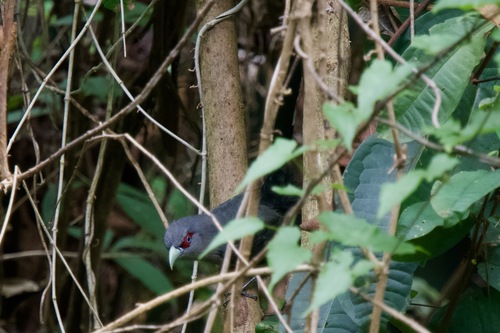
Black-bellied Malkoha (Phaenicophaeus diardi) Black-bellied Malkoha
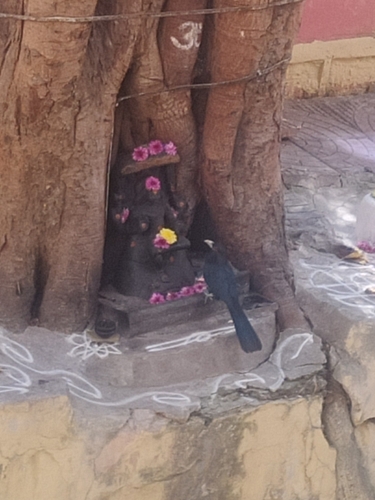
Asian Koel (Eudynamys scolopaceus) Asian Koel

Media

Loading…

In short

The Black-bellied Malkoha and Asian Koel are both cuckoos, but they differ in key features. The Malkoha is distinguished by its black belly and red facial skin, while the Koel has a uniformly dark plumage with a pale bill. Vocalizations are also a reliable differentiator, with the Koel being more vocal.

Identification tips

  1. Look for the black belly and red facial skin of the Black-bellied Malkoha. 2. Note the uniform dark plumage and pale bill of the Asian Koel. 3. Listen for the Koel's loud calls, especially in the breeding season. 4. Consider habitat: Malkohas in dense forests, Koels in various habitats.

Size

Both species are similar in size, but the Asian Koel is generally more robust with a longer tail.

Plumage

The Black-bellied Malkoha has a distinctive black belly and red facial skin, whereas the Asian Koel is uniformly dark with a pale bill. Male Koels are glossy black, while females are brown with white spots.

Behaviour

The Asian Koel is more often seen in open areas and is more vocal, while the Black-bellied Malkoha is typically quieter and more secretive, often found in dense foliage.

Habitat

The Black-bellied Malkoha prefers dense forests, while the Asian Koel is more adaptable, found in a variety of habitats including urban areas.

Voice

The Asian Koel is known for its loud, repetitive calls, especially during the breeding season, while the Black-bellied Malkoha is generally quieter.

Submit a better description

Use the same sections as the comparison. Your text is published immediately.

The Black-bellied Malkoha and Asian Koel are both cuckoos, but they differ in key features. The Malkoha is distinguished by its black belly and red facial skin, while the Koel has a uniformly dark plumage with a pale bill. Vocalizations are also a reliable differentiator, with the Koel being more vocal.

  1. Look for the black belly and red facial skin of the Black-bellied Malkoha. 2. Note the uniform dark plumage and pale bill of the Asian Koel. 3. Listen for the Koel's loud calls, especially in the breeding season. 4. Consider habitat: Malkohas in dense forests, Koels in various habitats.

Both species are similar in size, but the Asian Koel is generally more robust with a longer tail.

The Black-bellied Malkoha has a distinctive black belly and red facial skin, whereas the Asian Koel is uniformly dark with a pale bill. Male Koels are glossy black, while females are brown with white spots.

The Asian Koel is more often seen in open areas and is more vocal, while the Black-bellied Malkoha is typically quieter and more secretive, often found in dense foliage.

The Black-bellied Malkoha prefers dense forests, while the Asian Koel is more adaptable, found in a variety of habitats including urban areas.

The Asian Koel is known for its loud, repetitive calls, especially during the breeding season, while the Black-bellied Malkoha is generally quieter.

Discard your changes?

You have unsaved edits. If you leave now, those changes will be lost.

Black-bellied Malkoha · Asian Koel · My Tricky Birds