Birdr

Black-capped Chickadee vs Chestnut-backed Chickadee

Poecile atricapillus versus Poecile rufescens

Play a quiz with Black-capped Chickadee and Chestnut-backed Chickadee
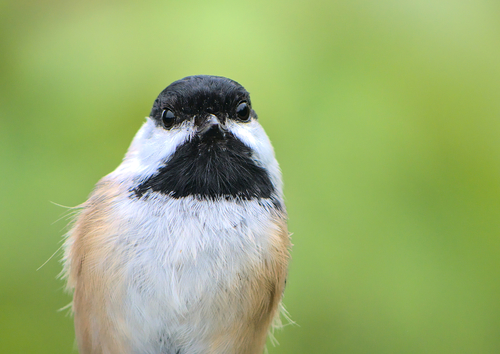
Black-capped Chickadee (Poecile atricapillus) Black-capped Chickadee
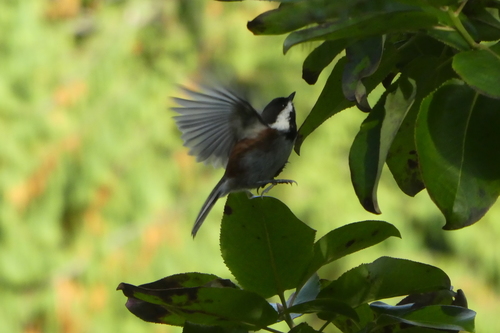
Chestnut-backed Chickadee (Poecile rufescens) Chestnut-backed Chickadee

Media

Loading…

In short

The Black-capped Chickadee and Chestnut-backed Chickadee can be distinguished by their head and back coloration. The Black-capped Chickadee has a black cap and bib with white cheeks, while the Chestnut-backed Chickadee has a distinctive chestnut-colored back and sides. Both species are similar in size and shape, making plumage the most reliable field mark.

Identification tips

  1. Look for the chestnut-colored back and sides on the Chestnut-backed Chickadee. 2. Note the black cap and white cheeks, which are present in both species but the back color differs. 3. Observe habitat: Chestnut-backed prefers coniferous forests, while Black-capped is more adaptable. 4. Listen for calls: both have similar calls, but Chestnut-backed lacks a whistled song.

Size

Both species are similar in size, typical of small chickadees.

Plumage

The Black-capped Chickadee has a black cap, white cheeks, and a gray back. In contrast, the Chestnut-backed Chickadee features a chestnut-colored back and sides, with a similar black cap and white cheeks.

Behaviour

Both species are active and social, often seen in mixed-species flocks during winter. They forage in trees and are known to visit bird feeders.

Habitat

The Black-capped Chickadee is widespread across North America, often found in deciduous and mixed forests. The Chestnut-backed Chickadee prefers humid coastal regions and coniferous forests of the Pacific Northwest.

Voice

Both species have a similar 'chick-a-dee-dee-dee' call, but the Chestnut-backed Chickadee lacks a whistled song and uses the Gargle call rarely.

Submit a better description

Use the same sections as the comparison. Your text is published immediately.

The Black-capped Chickadee and Chestnut-backed Chickadee can be distinguished by their head and back coloration. The Black-capped Chickadee has a black cap and bib with white cheeks, while the Chestnut-backed Chickadee has a distinctive chestnut-colored back and sides. Both species are similar in size and shape, making plumage the most reliable field mark.

  1. Look for the chestnut-colored back and sides on the Chestnut-backed Chickadee. 2. Note the black cap and white cheeks, which are present in both species but the back color differs. 3. Observe habitat: Chestnut-backed prefers coniferous forests, while Black-capped is more adaptable. 4. Listen for calls: both have similar calls, but Chestnut-backed lacks a whistled song.

Both species are similar in size, typical of small chickadees.

The Black-capped Chickadee has a black cap, white cheeks, and a gray back. In contrast, the Chestnut-backed Chickadee features a chestnut-colored back and sides, with a similar black cap and white cheeks.

Both species are active and social, often seen in mixed-species flocks during winter. They forage in trees and are known to visit bird feeders.

The Black-capped Chickadee is widespread across North America, often found in deciduous and mixed forests. The Chestnut-backed Chickadee prefers humid coastal regions and coniferous forests of the Pacific Northwest.

Both species have a similar 'chick-a-dee-dee-dee' call, but the Chestnut-backed Chickadee lacks a whistled song and uses the Gargle call rarely.

Discard your changes?

You have unsaved edits. If you leave now, those changes will be lost.

Black-capped Chickadee · Chestnut-backed Chickadee · My Tricky Birds