Birdr

Black Heron vs White-crested Helmetshrike

Egretta ardesiaca versus Prionops plumatus

Play a quiz with Black Heron and White-crested Helmetshrike
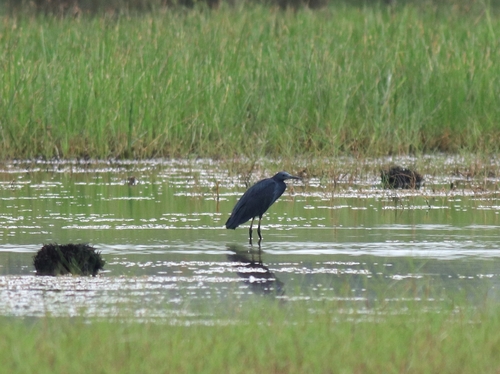
Black Heron (Egretta ardesiaca) Black Heron
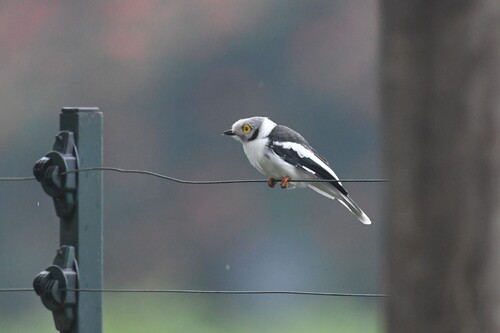
White-crested Helmetshrike (Prionops plumatus) White-crested Helmetshrike

Media

Loading…

In short

The Black Heron and White-crested Helmetshrike are easily distinguished by their size and plumage. The Black Heron is a medium-sized wading bird with entirely dark plumage, while the White-crested Helmetshrike is a small passerine with striking black and white coloration and a distinctive crest.

Identification tips

1. Size: Use size as a primary distinguishing factor; the Black Heron is much larger. 2. Plumage: Look for the all-black plumage of the Black Heron versus the black and white with a crest of the Helmetshrike. 3. Behavior: Note the heron's unique feeding behavior and the shrike's social flocking. 4. Habitat: Consider the habitat; herons in wetlands, shrikes in woodlands. 5. Vocalizations: Listen for calls; Helmetshrikes are more vocal.

Size

The Black Heron is significantly larger, typically around 42–66 cm in length, whereas the White-crested Helmetshrike is much smaller, around 20 cm.

Plumage

The Black Heron is uniformly dark grey to black, lacking any white markings. In contrast, the White-crested Helmetshrike has a bold black and white pattern with a prominent white crest and black mask.

Behaviour

The Black Heron is known for its unique 'canopy feeding' behavior, where it uses its wings to create shade over the water. The White-crested Helmetshrike is often seen in small, active flocks, foraging through trees and shrubs.

Habitat

Black Herons are typically found in wetlands, marshes, and shallow waters. White-crested Helmetshrikes are more likely to be seen in open woodlands and savannas.

Voice

The Black Heron is generally silent, while the White-crested Helmetshrike is vocal, often heard making a variety of calls.

Submit a better description

Use the same sections as the comparison. Your text is published immediately.

The Black Heron and White-crested Helmetshrike are easily distinguished by their size and plumage. The Black Heron is a medium-sized wading bird with entirely dark plumage, while the White-crested Helmetshrike is a small passerine with striking black and white coloration and a distinctive crest.

1. Size: Use size as a primary distinguishing factor; the Black Heron is much larger. 2. Plumage: Look for the all-black plumage of the Black Heron versus the black and white with a crest of the Helmetshrike. 3. Behavior: Note the heron's unique feeding behavior and the shrike's social flocking. 4. Habitat: Consider the habitat; herons in wetlands, shrikes in woodlands. 5. Vocalizations: Listen for calls; Helmetshrikes are more vocal.

The Black Heron is significantly larger, typically around 42–66 cm in length, whereas the White-crested Helmetshrike is much smaller, around 20 cm.

The Black Heron is uniformly dark grey to black, lacking any white markings. In contrast, the White-crested Helmetshrike has a bold black and white pattern with a prominent white crest and black mask.

The Black Heron is known for its unique 'canopy feeding' behavior, where it uses its wings to create shade over the water. The White-crested Helmetshrike is often seen in small, active flocks, foraging through trees and shrubs.

Black Herons are typically found in wetlands, marshes, and shallow waters. White-crested Helmetshrikes are more likely to be seen in open woodlands and savannas.

The Black Heron is generally silent, while the White-crested Helmetshrike is vocal, often heard making a variety of calls.

Discard your changes?

You have unsaved edits. If you leave now, those changes will be lost.

Black Heron · White-crested Helmetshrike · My Tricky Birds