Birdr

Blackish-blue Seedeater vs Glaucous-blue Grosbeak

Amaurospiza moesta versus Cyanoloxia glaucocaerulea

Play a quiz with Blackish-blue Seedeater and Glaucous-blue Grosbeak
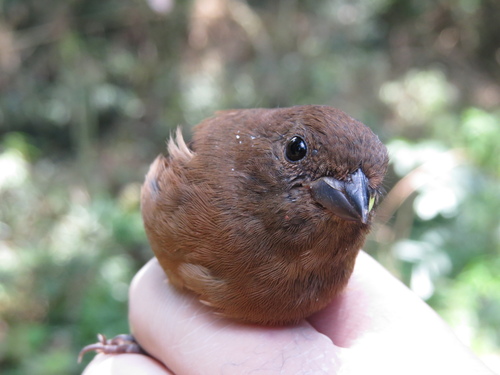
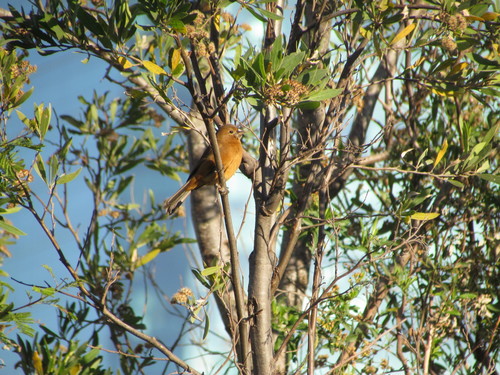
Blackish-blue Seedeater (Amaurospiza moesta) Blackish-blue Seedeater
Glaucous-blue Grosbeak (Cyanoloxia glaucocaerulea) Glaucous-blue Grosbeak

Media

Loading…

In short

The Blackish-blue Seedeater and Glaucous-blue Grosbeak are both members of the Cardinalidae family, but they can be distinguished by their plumage and habitat preferences. The seedeater is generally slaty blue with a blackish face and breast, while the grosbeak is more uniformly glaucous-blue. Both species are found in South America, but their specific habitats and behaviors can aid in identification.

Identification tips

  1. Look for the blackish face and breast in male Blackish-blue Seedeaters. 2. Note the tawny-brown plumage of female seedeaters, contrasting with the grosbeak. 3. Observe habitat: seedeaters are often near bamboo during seeding events. 4. Both species are similar in size, so focus on plumage and behavior.

Size

Both species are similar in size, typical of small to medium-sized passerines.

Plumage

The male Blackish-blue Seedeater is slaty blue with a blackish face and breast, whereas the Glaucous-blue Grosbeak is more uniformly glaucous-blue. Females of the seedeater are tawny-brown with white underwing coverts, which is a key difference from the grosbeak.

Behaviour

Blackish-blue Seedeaters are often seen during bamboo seeding events, usually in pairs and low above the ground. The behavior of the Glaucous-blue Grosbeak is less documented but does not include such specific events.

Habitat

The Blackish-blue Seedeater is generally found in southeast Brazil, extreme northeast Argentina, and eastern Paraguay, especially during bamboo seeding events. The Glaucous-blue Grosbeak's habitat is less specific in the notes but is also found in South America.

Submit a better description

Use the same sections as the comparison. Your text is published immediately.

The Blackish-blue Seedeater and Glaucous-blue Grosbeak are both members of the Cardinalidae family, but they can be distinguished by their plumage and habitat preferences. The seedeater is generally slaty blue with a blackish face and breast, while the grosbeak is more uniformly glaucous-blue. Both species are found in South America, but their specific habitats and behaviors can aid in identification.

  1. Look for the blackish face and breast in male Blackish-blue Seedeaters. 2. Note the tawny-brown plumage of female seedeaters, contrasting with the grosbeak. 3. Observe habitat: seedeaters are often near bamboo during seeding events. 4. Both species are similar in size, so focus on plumage and behavior.

Both species are similar in size, typical of small to medium-sized passerines.

The male Blackish-blue Seedeater is slaty blue with a blackish face and breast, whereas the Glaucous-blue Grosbeak is more uniformly glaucous-blue. Females of the seedeater are tawny-brown with white underwing coverts, which is a key difference from the grosbeak.

Blackish-blue Seedeaters are often seen during bamboo seeding events, usually in pairs and low above the ground. The behavior of the Glaucous-blue Grosbeak is less documented but does not include such specific events.

The Blackish-blue Seedeater is generally found in southeast Brazil, extreme northeast Argentina, and eastern Paraguay, especially during bamboo seeding events. The Glaucous-blue Grosbeak's habitat is less specific in the notes but is also found in South America.

Discard your changes?

You have unsaved edits. If you leave now, those changes will be lost.

Blackish-blue Seedeater · Glaucous-blue Grosbeak · My Tricky Birds