Birdr

Blue-grey Gnatcatcher vs Canyon Wren

Polioptila caerulea versus Catherpes mexicanus

Play a quiz with Blue-grey Gnatcatcher and Canyon Wren
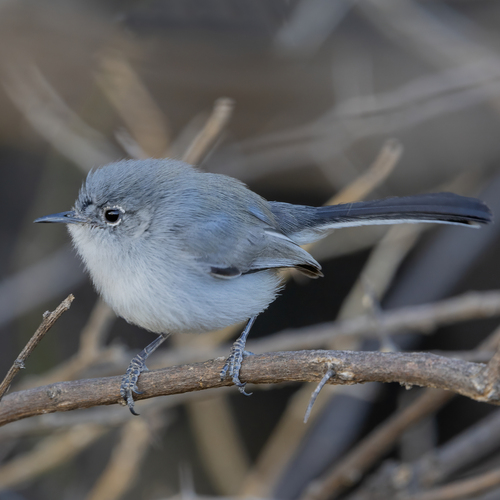
Blue-grey Gnatcatcher (Polioptila caerulea) Blue-grey Gnatcatcher
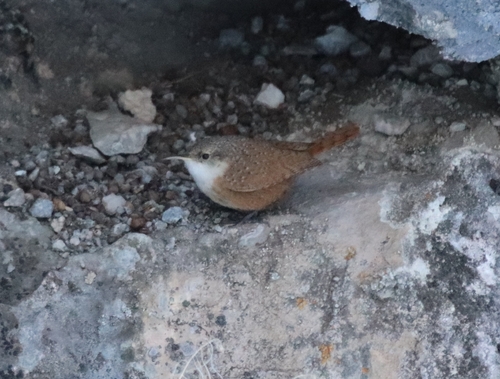
Canyon Wren (Catherpes mexicanus) Canyon Wren

Media

Loading…

In short

The Blue-grey Gnatcatcher and Canyon Wren are distinct in both appearance and habitat preference. The gnatcatcher is a small, slender bird with a long tail and bluish-gray plumage, while the Canyon Wren is more robust with a striking white throat and reddish-brown body. Their habitats are also very different, with the gnatcatcher favoring wooded areas and the wren preferring rocky canyons.

Identification tips

  1. Habitat: Check the surroundings; wooded areas suggest Blue-grey Gnatcatcher, rocky canyons suggest Canyon Wren. 2. Plumage: Look for the bluish-gray color and long tail of the gnatcatcher versus the white throat and reddish-brown body of the wren. 3. Vocalization: Listen for the high-pitched calls of the gnatcatcher or the melodious song of the wren.

Size

The Blue-grey Gnatcatcher is smaller and more slender compared to the stockier Canyon Wren.

Plumage

The Blue-grey Gnatcatcher has a bluish-gray body with a long, thin tail, while the Canyon Wren features a white throat, reddish-brown body, and a long, decurved bill.

Behaviour

Blue-grey Gnatcatchers are active foragers, often seen gleaning insects from foliage or sallying after prey. Canyon Wrens are more often seen probing rock crevices with their long bills.

Habitat

Blue-grey Gnatcatchers inhabit a variety of wooded habitats, often near water, while Canyon Wrens are restricted to rocky environments, such as canyons and cliffs.

Voice

The Blue-grey Gnatcatcher's calls are high-pitched and nasal, whereas the Canyon Wren is known for its melodious song that echoes in canyonlands.

Submit a better description

Use the same sections as the comparison. Your text is published immediately.

The Blue-grey Gnatcatcher and Canyon Wren are distinct in both appearance and habitat preference. The gnatcatcher is a small, slender bird with a long tail and bluish-gray plumage, while the Canyon Wren is more robust with a striking white throat and reddish-brown body. Their habitats are also very different, with the gnatcatcher favoring wooded areas and the wren preferring rocky canyons.

  1. Habitat: Check the surroundings; wooded areas suggest Blue-grey Gnatcatcher, rocky canyons suggest Canyon Wren. 2. Plumage: Look for the bluish-gray color and long tail of the gnatcatcher versus the white throat and reddish-brown body of the wren. 3. Vocalization: Listen for the high-pitched calls of the gnatcatcher or the melodious song of the wren.

The Blue-grey Gnatcatcher is smaller and more slender compared to the stockier Canyon Wren.

The Blue-grey Gnatcatcher has a bluish-gray body with a long, thin tail, while the Canyon Wren features a white throat, reddish-brown body, and a long, decurved bill.

Blue-grey Gnatcatchers are active foragers, often seen gleaning insects from foliage or sallying after prey. Canyon Wrens are more often seen probing rock crevices with their long bills.

Blue-grey Gnatcatchers inhabit a variety of wooded habitats, often near water, while Canyon Wrens are restricted to rocky environments, such as canyons and cliffs.

The Blue-grey Gnatcatcher's calls are high-pitched and nasal, whereas the Canyon Wren is known for its melodious song that echoes in canyonlands.

Discard your changes?

You have unsaved edits. If you leave now, those changes will be lost.

Blue-grey Gnatcatcher · Canyon Wren · My Tricky Birds