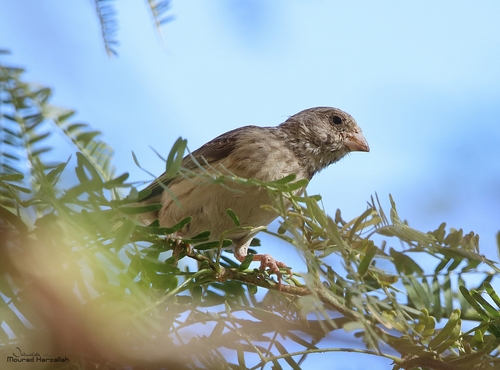
Blue-grey Gnatcatcher vs White-rumped Seedeater
Polioptila caerulea versus Crithagra leucopygia
Play a quiz with Blue-grey Gnatcatcher and White-rumped Seedeater
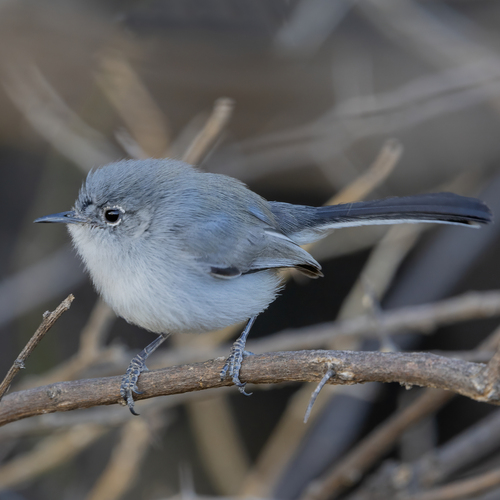
Blue-grey Gnatcatcher
White-rumped Seedeater
In short
The Blue-grey Gnatcatcher and the White-rumped Seedeater are distinct in both appearance and habitat preference. The gnatcatcher is a small, active insectivore with a slender build and long tail, while the seedeater is a more robust finch with a distinctive white rump. These differences are most apparent when observing their foraging behaviors and preferred environments.
Identification tips
- Look for the white rump on the White-rumped Seedeater, absent in the gnatcatcher. 2. Note the slender build and long tail of the gnatcatcher compared to the more robust seedeater. 3. Observe behavior: gnatcatchers are more active and insect-focused, while seedeaters may be seen feeding on seeds. 4. Consider habitat: gnatcatchers in wooded areas, seedeaters in open grasslands.
Size
The Blue-grey Gnatcatcher is smaller and more slender than the White-rumped Seedeater, which is more robust and finch-like.
Plumage
The Blue-grey Gnatcatcher has a blue-grey upper body with a long, white-edged tail and lacks the white rump found on the White-rumped Seedeater. The seedeater has a more uniform brownish-grey plumage with a conspicuous white rump.
Behaviour
The gnatcatcher is an active forager, often seen gleaning insects from foliage or sallying after prey. In contrast, the seedeater is more likely to be seen feeding on seeds and grains, often on the ground or perched.
Habitat
Blue-grey Gnatcatchers prefer wooded habitats, often near edges and in moist areas, while White-rumped Seedeaters are typically found in open, grassy areas or savannas.
Voice
The Blue-grey Gnatcatcher's calls are high-pitched and nasal, whereas the White-rumped Seedeater's vocalizations are not well-documented here, but finches typically have more melodic songs.
Blue-grey Gnatcatcher · White-rumped Seedeater · My Tricky Birds