Birdr

Blue-throated Flycatcher vs Hill Blue Flycatcher

Cyornis rubeculoides versus Cyornis whitei

Play a quiz with Blue-throated Flycatcher and Hill Blue Flycatcher
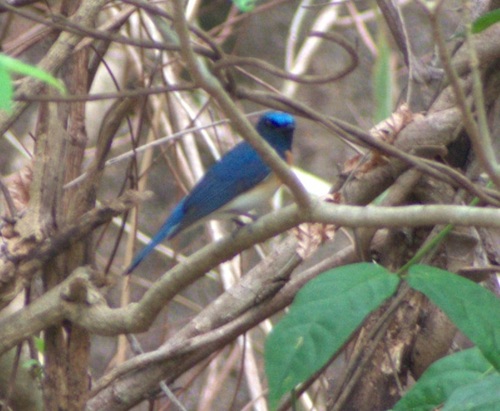
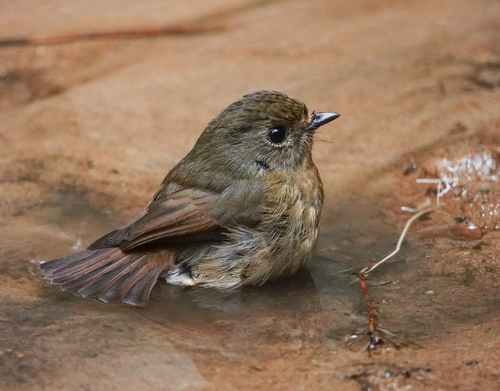
Blue-throated Flycatcher (Cyornis rubeculoides) Blue-throated Flycatcher
Hill Blue Flycatcher (Cyornis whitei) Hill Blue Flycatcher

Media

Loading…

In short

The Blue-throated Flycatcher and Hill Blue Flycatcher are similar in appearance but can be distinguished by plumage and vocalizations. The Blue-throated Flycatcher has a distinctive blue throat, while the Hill Blue Flycatcher features a bright rufous-orange throat and breast. Both species inhabit similar regions in Southeast Asia but differ in their vocal patterns.

Identification tips

  1. Look for the blue throat in the Blue-throated Flycatcher. 2. Observe the rufous-orange throat and breast in the Hill Blue Flycatcher. 3. Listen for the Hill Blue Flycatcher's melodious whistles. 4. Consider the habitat; both species prefer forested areas in Southeast Asia.

Size

Both species are similar in size, typical of small flycatchers.

Plumage

The Blue-throated Flycatcher has a blue throat and upperparts, with males showing a brighter blue. The Hill Blue Flycatcher has deep blue upperparts with a bright rufous-orange throat and breast. Females of both species are duller, with the Hill Blue Flycatcher female having grayish-brown upperparts.

Behaviour

Both species often sit still for long periods, darting out to catch insects.

Habitat

Both species are found in similar habitats across Southeast Asia, typically in forested areas.

Voice

The Hill Blue Flycatcher is noted for its harsh call and rich, melodious warbling whistles, whereas the Blue-throated Flycatcher's vocalizations are less documented.

Submit a better description

Use the same sections as the comparison. Your text is published immediately.

The Blue-throated Flycatcher and Hill Blue Flycatcher are similar in appearance but can be distinguished by plumage and vocalizations. The Blue-throated Flycatcher has a distinctive blue throat, while the Hill Blue Flycatcher features a bright rufous-orange throat and breast. Both species inhabit similar regions in Southeast Asia but differ in their vocal patterns.

  1. Look for the blue throat in the Blue-throated Flycatcher. 2. Observe the rufous-orange throat and breast in the Hill Blue Flycatcher. 3. Listen for the Hill Blue Flycatcher's melodious whistles. 4. Consider the habitat; both species prefer forested areas in Southeast Asia.

Both species are similar in size, typical of small flycatchers.

The Blue-throated Flycatcher has a blue throat and upperparts, with males showing a brighter blue. The Hill Blue Flycatcher has deep blue upperparts with a bright rufous-orange throat and breast. Females of both species are duller, with the Hill Blue Flycatcher female having grayish-brown upperparts.

Both species often sit still for long periods, darting out to catch insects.

Both species are found in similar habitats across Southeast Asia, typically in forested areas.

The Hill Blue Flycatcher is noted for its harsh call and rich, melodious warbling whistles, whereas the Blue-throated Flycatcher's vocalizations are less documented.

Discard your changes?

You have unsaved edits. If you leave now, those changes will be lost.

Blue-throated Flycatcher · Hill Blue Flycatcher · My Tricky Birds