Birdr

Blyth's Kingfisher vs Common Kingfisher

Alcedo hercules versus Alcedo atthis

Play a quiz with Blyth's Kingfisher and Common Kingfisher

Blyth's Kingfisher (Alcedo hercules) Blyth's Kingfisher
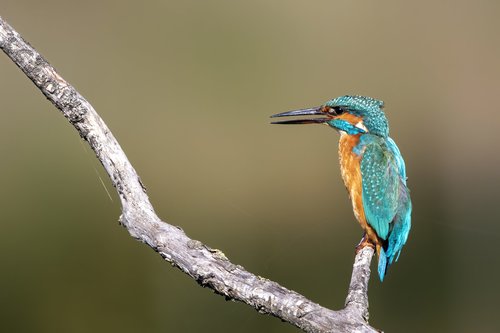
Common Kingfisher (Alcedo atthis) Common Kingfisher

Media

Loading…

In short

Blyth's Kingfisher is significantly larger than the Common Kingfisher, with a heavier build and longer bill. Both species share a similar blue and orange plumage, but Blyth's Kingfisher has a more muted color palette and lacks the bright intensity of the Common Kingfisher. Vocalizations are similar, but habitat preferences can help distinguish them.

Identification tips

1. Size and Structure: Look for the larger size and bulkier build of Blyth's Kingfisher. 2. Bill: Blyth's has a longer, heavier bill. 3. Plumage: Note the duller blue and orange of Blyth's compared to the bright colors of the Common Kingfisher. 4. Habitat: Consider the habitat; Blyth's is more likely in forested, higher elevation areas. 5. Vocalization: Calls are similar; rely on visual cues for identification.

Size

Blyth's Kingfisher is larger and bulkier than the Common Kingfisher.

Plumage

Both species have blue upperparts and orange underparts, but Blyth's Kingfisher has a duller blue and less vibrant orange compared to the Common Kingfisher.

Behaviour

Both species exhibit similar hunting behavior, often seen perched near water before diving for prey.

Habitat

Blyth's Kingfisher prefers forested streams and rivers at higher elevations, while the Common Kingfisher is more adaptable, found in a wider range of aquatic habitats including lowland rivers, lakes, and ponds.

Voice

Both species have similar high-pitched calls, but distinguishing them by sound alone can be challenging.

Submit a better description

Use the same sections as the comparison. Your text is published immediately.

Blyth's Kingfisher is significantly larger than the Common Kingfisher, with a heavier build and longer bill. Both species share a similar blue and orange plumage, but Blyth's Kingfisher has a more muted color palette and lacks the bright intensity of the Common Kingfisher. Vocalizations are similar, but habitat preferences can help distinguish them.

1. Size and Structure: Look for the larger size and bulkier build of Blyth's Kingfisher. 2. Bill: Blyth's has a longer, heavier bill. 3. Plumage: Note the duller blue and orange of Blyth's compared to the bright colors of the Common Kingfisher. 4. Habitat: Consider the habitat; Blyth's is more likely in forested, higher elevation areas. 5. Vocalization: Calls are similar; rely on visual cues for identification.

Blyth's Kingfisher is larger and bulkier than the Common Kingfisher.

Both species have blue upperparts and orange underparts, but Blyth's Kingfisher has a duller blue and less vibrant orange compared to the Common Kingfisher.

Both species exhibit similar hunting behavior, often seen perched near water before diving for prey.

Blyth's Kingfisher prefers forested streams and rivers at higher elevations, while the Common Kingfisher is more adaptable, found in a wider range of aquatic habitats including lowland rivers, lakes, and ponds.

Both species have similar high-pitched calls, but distinguishing them by sound alone can be challenging.

Discard your changes?

You have unsaved edits. If you leave now, those changes will be lost.

Blyth's Kingfisher · Common Kingfisher · My Tricky Birds