Birdr

Bristle-nosed Barbet vs Naked-faced Barbet

Gymnobucco peli versus Gymnobucco calvus

Play a quiz with Bristle-nosed Barbet and Naked-faced Barbet
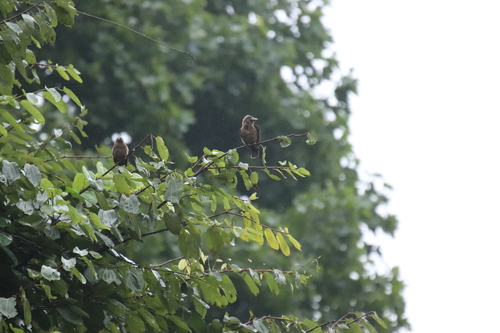
Bristle-nosed Barbet (Gymnobucco peli) Bristle-nosed Barbet
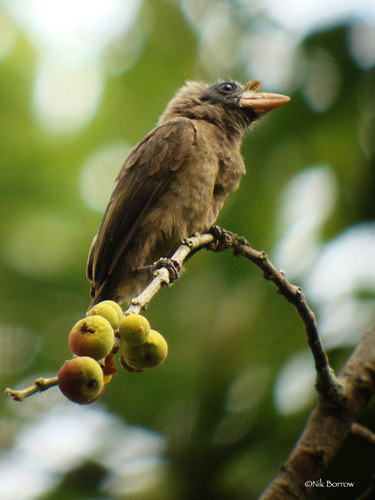
Naked-faced Barbet (Gymnobucco calvus) Naked-faced Barbet

Media

Loading…

In short

The Bristle-nosed Barbet and Naked-faced Barbet are similar in appearance, but the most reliable difference is the presence of bristly tufts on the chin and base of the bill in the Bristle-nosed Barbet. Both species are colonial and share habitats, but careful observation of facial features can help distinguish them.

Identification tips

  1. Look for bristly tufts on the chin and base of the bill for Bristle-nosed Barbet. 2. Observe facial features closely, as both species have streaked plumage. 3. Consider the colonial behavior and habitat, but focus on facial details for identification.

Size

Both species are similar in size, typical of small to medium-sized barbets.

Plumage

The Bristle-nosed Barbet has bristly tufts of feathers on the chin and base of the bill, which are absent in the Naked-faced Barbet. Both have streaked plumage, but these facial features are key.

Behaviour

Both species are colonial and often found in groups, sometimes with other barbet species. They are known to feed on fruits and occasionally arthropods.

Habitat

Both species inhabit second growth, wooded grasslands, and areas with fruiting trees, often near human settlements. They require tall, dead trees for nesting.

Submit a better description

Use the same sections as the comparison. Your text is published immediately.

The Bristle-nosed Barbet and Naked-faced Barbet are similar in appearance, but the most reliable difference is the presence of bristly tufts on the chin and base of the bill in the Bristle-nosed Barbet. Both species are colonial and share habitats, but careful observation of facial features can help distinguish them.

  1. Look for bristly tufts on the chin and base of the bill for Bristle-nosed Barbet. 2. Observe facial features closely, as both species have streaked plumage. 3. Consider the colonial behavior and habitat, but focus on facial details for identification.

Both species are similar in size, typical of small to medium-sized barbets.

The Bristle-nosed Barbet has bristly tufts of feathers on the chin and base of the bill, which are absent in the Naked-faced Barbet. Both have streaked plumage, but these facial features are key.

Both species are colonial and often found in groups, sometimes with other barbet species. They are known to feed on fruits and occasionally arthropods.

Both species inhabit second growth, wooded grasslands, and areas with fruiting trees, often near human settlements. They require tall, dead trees for nesting.

Discard your changes?

You have unsaved edits. If you leave now, those changes will be lost.

Bristle-nosed Barbet · Naked-faced Barbet · My Tricky Birds