Birdr

Bristled Grassbird vs Chestnut-tailed Starling

Schoenicola striatus versus Sturnia malabarica

Play a quiz with Bristled Grassbird and Chestnut-tailed Starling
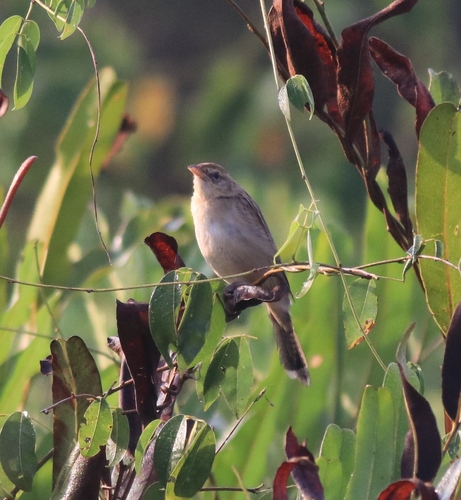
Bristled Grassbird (Schoenicola striatus) Bristled Grassbird
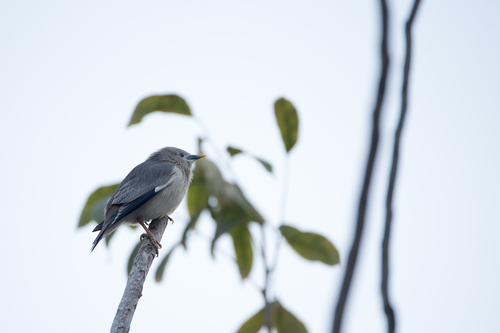
Chestnut-tailed Starling (Sturnia malabarica) Chestnut-tailed Starling

Media

Loading…

In short

The Bristled Grassbird and Chestnut-tailed Starling can be distinguished by their habitat preferences and plumage. The Bristled Grassbird is typically found in grasslands and wetlands, while the Chestnut-tailed Starling is more often seen in open woodlands and urban areas. The Grassbird has a more streaked appearance, whereas the Starling shows a distinctive chestnut tail and grayer head.

Identification tips

  1. Habitat: Look for Bristled Grassbird in grasslands and wetlands; Chestnut-tailed Starling in open woodlands and urban areas. 2. Tail: Note the chestnut tail of the Starling. 3. Head and Breast: The Starling has a grayer head with white streaking. 4. Behavior: Observe the Bristled Grassbird's display flights during the breeding season.

Size

The Chestnut-tailed Starling is generally larger and more robust than the Bristled Grassbird.

Plumage

The Bristled Grassbird has a streaked appearance with a generally brownish tone, while the Chestnut-tailed Starling features a chestnut tail, grayer head with white streaking, and dirty white underparts.

Behaviour

The Bristled Grassbird is known for its display flights during the breeding season, while the Chestnut-tailed Starling often forms flocks and is more social.

Habitat

Bristled Grassbird prefers grasslands and wetlands, especially during the breeding season, whereas the Chestnut-tailed Starling is found in open woodlands and urban environments.

Voice

The Bristled Grassbird has a distinctive song of paired syllables, often sung from an elevated perch or in flight. The Chestnut-tailed Starling's vocalizations are not as prominently described.

Submit a better description

Use the same sections as the comparison. Your text is published immediately.

The Bristled Grassbird and Chestnut-tailed Starling can be distinguished by their habitat preferences and plumage. The Bristled Grassbird is typically found in grasslands and wetlands, while the Chestnut-tailed Starling is more often seen in open woodlands and urban areas. The Grassbird has a more streaked appearance, whereas the Starling shows a distinctive chestnut tail and grayer head.

  1. Habitat: Look for Bristled Grassbird in grasslands and wetlands; Chestnut-tailed Starling in open woodlands and urban areas. 2. Tail: Note the chestnut tail of the Starling. 3. Head and Breast: The Starling has a grayer head with white streaking. 4. Behavior: Observe the Bristled Grassbird's display flights during the breeding season.

The Chestnut-tailed Starling is generally larger and more robust than the Bristled Grassbird.

The Bristled Grassbird has a streaked appearance with a generally brownish tone, while the Chestnut-tailed Starling features a chestnut tail, grayer head with white streaking, and dirty white underparts.

The Bristled Grassbird is known for its display flights during the breeding season, while the Chestnut-tailed Starling often forms flocks and is more social.

Bristled Grassbird prefers grasslands and wetlands, especially during the breeding season, whereas the Chestnut-tailed Starling is found in open woodlands and urban environments.

The Bristled Grassbird has a distinctive song of paired syllables, often sung from an elevated perch or in flight. The Chestnut-tailed Starling's vocalizations are not as prominently described.

Discard your changes?

You have unsaved edits. If you leave now, those changes will be lost.

Bristled Grassbird · Chestnut-tailed Starling · My Tricky Birds