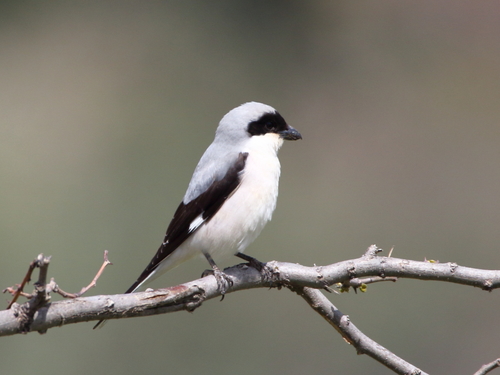
Brown Shrike vs Lesser Grey Shrike
Lanius cristatus versus Lanius minor
Play a quiz with Brown Shrike and Lesser Grey Shrike
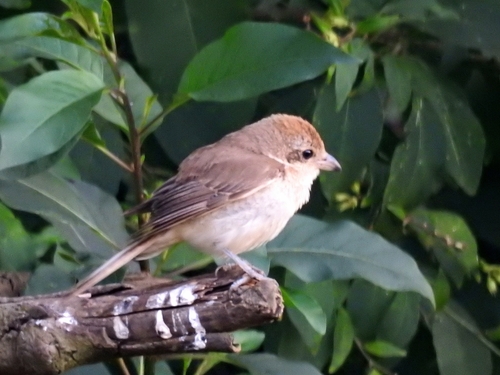
Brown Shrike
Lesser Grey Shrike
In short
The Brown Shrike (Lanius cristatus) and the Lesser Grey Shrike (Lanius minor) are two closely related species that can be differentiated by size, plumage coloration, vocalizations, and habitat preferences. The Brown Shrike is generally larger with a more robust body and stronger coloration, while the Lesser Grey Shrike is more slender with distinct black and white markings.
Identification tips
- Birds of the World Similar-Species Diagnostics:
-
According to Birds of the World, the Brown Shrike has a more robust appearance and more rufous tones in its plumage, while the Lesser Grey Shrike features a more elegant build with a black cap and distinct white underparts. This expert source emphasizes the importance of the contrasting colors and body shapes to distinguish between the two species.
-
AI Field Diagnostics:
- Size: Look for the overall size difference; the Brown Shrike is larger and stockier than the Lesser Grey Shrike.
- Plumage: Pay close attention to plumage colors and patterns. The Brown Shrike's rufous tones and black mask can be easily confused with the Lesser Grey's grey back and black cap.
- Behavior: Notice the foraging behavior—Brown Shrikes are more aggressive and often seen hunting larger prey, while Lesser Grey Shrikes may appear more stealthy and often store food.
- Vocalizations: Listen for the calls; the Brown Shrike's calls are harsher and more varied, whereas the Lesser Grey Shrike has a softer, melodious tone.
- Habitat: Be mindful of where they are located; the Brown Shrike is more adaptable to different habitats, while the Lesser Grey Shrike favors drier, more specific environments.
By focusing on these identifying characteristics, birdwatchers can confidently distinguish between the Brown Shrike and the Lesser Grey Shrike in the field.
Size
- Brown Shrike: The average length is about 20-23 cm (7.9-9.1 in) with a wingspan of approximately 30-35 cm (11.8-13.8 in). It has a stocky build, contributing to a more robust appearance.
- Lesser Grey Shrike: Slightly smaller, averaging 18-21 cm (7.1-8.3 in) in length, with a wingspan of about 25-30 cm (9.8-11.8 in). It has a more slender and elongated body shape compared to the Brown Shrike.
Plumage
- Brown Shrike: The upperparts are mostly brown with a rufous tinge, while the underparts are lighter, often beige or white. It features a prominent black mask through the eye and a distinct white wing patch.
- Lesser Grey Shrike: The upperparts are more greyish, with a stark contrast between the black cap and white underparts. It has a more striking black and white pattern, with a black line extending from the bill through the eye and down the sides of the neck.
Behaviour
- Brown Shrike: Known for its perching behavior, often seen sitting prominently on wires or branches. It has a more aggressive foraging style, preying on insects, small birds, and even small mammals.
- Lesser Grey Shrike: Also perches prominently but tends to be more elusive and less aggressive in foraging. It feeds primarily on insects and is known to store prey by impaling it on thorns or barbed wire.
Habitat
- Brown Shrike: Prefers open habitats such as grasslands, farmlands, and scrub areas. It is commonly found in a variety of climates ranging from temperate to tropical regions across Asia.
- Lesser Grey Shrike: Typically found in open woodlands, scrub, and agricultural areas, but it has a preference for drier habitats compared to the Brown Shrike. It has a more restricted distribution, mainly across Europe and parts of Asia.
Voice
- Brown Shrike: Vocalizations include a series of sharp, varied calls that can sound like a mix of whistles and chattering sounds. It is generally more vocal during the breeding season.
- Lesser Grey Shrike: Its calls are more melodious and varied, often characterized by a series of clear whistles or trills. The Lesser Grey Shrike's vocalizations are usually softer and less aggressive than those of the Brown Shrike.