
Brown Thornbill vs Chestnut-rumped Thornbill
Acanthiza pusilla versus Acanthiza uropygialis
Play a quiz with Brown Thornbill and Chestnut-rumped Thornbill
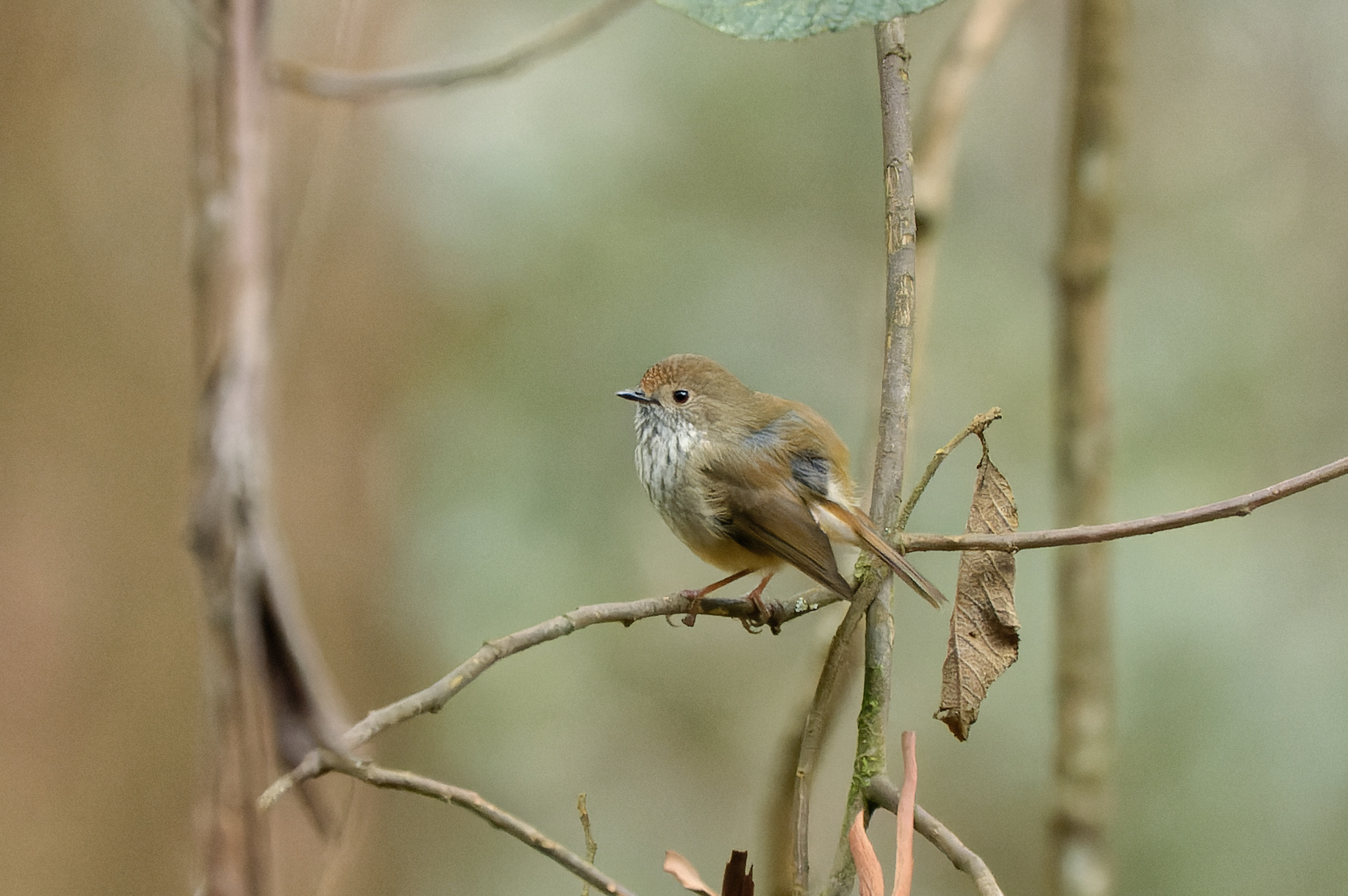 Brown Thornbill
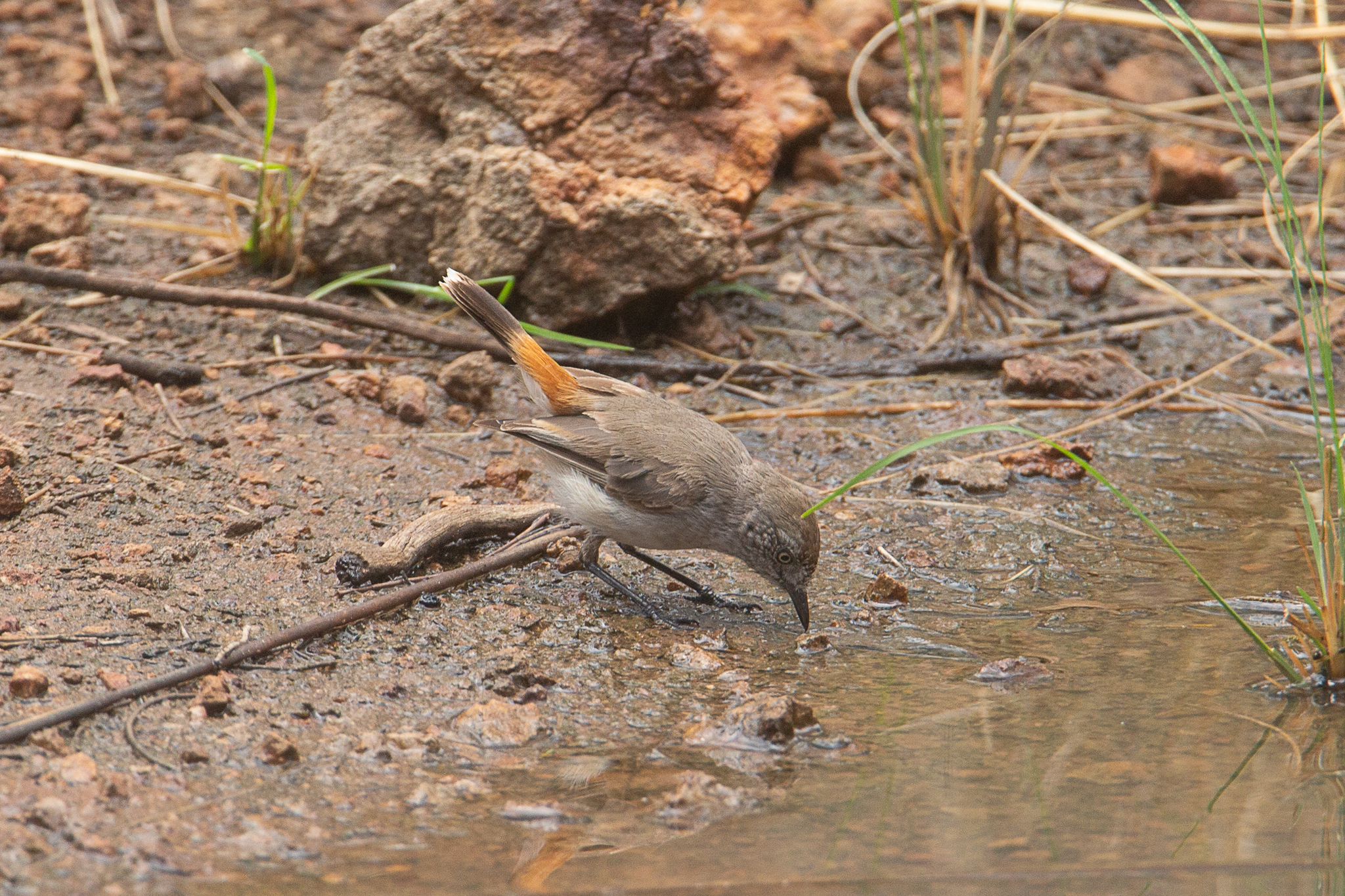 Chestnut-rumped Thornbill
In short
The Brown Thornbill and Chestnut-rumped Thornbill are similar small birds, but they can be distinguished by the rump color and facial markings. The Brown Thornbill has a plain brown rump, while the Chestnut-rumped Thornbill features a distinctive chestnut-colored rump. Both species are active and often found in similar habitats, but their vocalizations and subtle plumage differences can aid identification.
Identification tips
- Look for the chestnut rump on the Chestnut-rumped Thornbill. 2. Note the facial markings: Brown Thornbill may have more pronounced markings. 3. Listen for differences in vocalizations: the Brown Thornbill has high-pitched notes, while the Chestnut-rumped Thornbill's calls are more varied. 4. Consider habitat: Brown Thornbills prefer denser vegetation.
Size
Both species are small and similar in size, making size an unreliable distinguishing feature.
Plumage
The Brown Thornbill has a plain brown rump and a more uniform brown coloration overall. In contrast, the Chestnut-rumped Thornbill has a notable chestnut-colored rump and slightly paler underparts. Both have subtle streaking on the throat, but the Brown Thornbill may show more pronounced facial markings.
Behaviour
Both species are active foragers, often seen flitting through foliage. They may be observed in mixed-species flocks, making behavior alone a challenging identification mark.
Habitat
Both species inhabit similar environments, including woodlands and scrublands. The Brown Thornbill is more commonly associated with denser vegetation, while the Chestnut-rumped Thornbill may be found in more open areas.
Voice
Vocalizations differ subtly; the Brown Thornbill's call is a series of high-pitched notes, while the Chestnut-rumped Thornbill's call may include more varied and musical notes. Listening carefully can aid in identification.
Brown Thornbill · Chestnut-rumped Thornbill · My Tricky Birds