Birdr

Buff-collared Nightjar vs Mottled Petrel

Antrostomus ridgwayi versus Pterodroma inexpectata

Play a quiz with Buff-collared Nightjar and Mottled Petrel
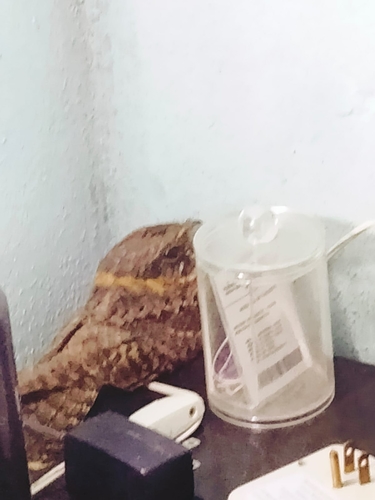
Buff-collared Nightjar (Antrostomus ridgwayi) Buff-collared Nightjar
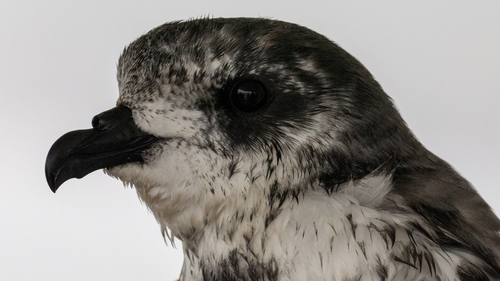
Mottled Petrel (Pterodroma inexpectata) Mottled Petrel

Media

Loading…

In short

The Buff-collared Nightjar and Mottled Petrel are easily distinguished by habitat and behavior: the nightjar is a terrestrial, nocturnal bird of dry thornscrub, while the petrel is a pelagic seabird. Their plumage and vocalizations are also markedly different.

Identification tips

  1. Habitat: Look for Buff-collared Nightjar in arid, terrestrial environments; Mottled Petrel will be over open ocean. 2. Plumage: Note the buff collar of the nightjar versus the gray and white of the petrel. 3. Behavior: Nightjar rests on the ground; petrel is usually seen flying over water. 4. Vocalization: Listen for the nightjar's metallic song if in its range.

Size

The Buff-collared Nightjar is smaller and more compact than the Mottled Petrel, which is larger and has longer wings adapted for oceanic flight.

Plumage

Buff-collared Nightjar has a cryptic, mottled brown and buff plumage with a distinctive buff collar. In contrast, the Mottled Petrel has a more uniform gray and white plumage with a darker cap and back.

Behaviour

Buff-collared Nightjar is nocturnal and often found resting on the ground during the day. Mottled Petrel is a pelagic species, spending most of its life at sea, only coming to land to breed.

Habitat

Buff-collared Nightjar inhabits dry thornscrub and arid regions, primarily in Mexico and occasionally in the southwestern United States. Mottled Petrel is found over open oceans, primarily in the Pacific.

Voice

Buff-collared Nightjar has a distinctive, ascending metallic song, unlike the Mottled Petrel, which has typical petrel calls that are seldom heard by birdwatchers unless near breeding colonies.

Submit a better description

Use the same sections as the comparison. Your text is published immediately.

The Buff-collared Nightjar and Mottled Petrel are easily distinguished by habitat and behavior: the nightjar is a terrestrial, nocturnal bird of dry thornscrub, while the petrel is a pelagic seabird. Their plumage and vocalizations are also markedly different.

  1. Habitat: Look for Buff-collared Nightjar in arid, terrestrial environments; Mottled Petrel will be over open ocean. 2. Plumage: Note the buff collar of the nightjar versus the gray and white of the petrel. 3. Behavior: Nightjar rests on the ground; petrel is usually seen flying over water. 4. Vocalization: Listen for the nightjar's metallic song if in its range.

The Buff-collared Nightjar is smaller and more compact than the Mottled Petrel, which is larger and has longer wings adapted for oceanic flight.

Buff-collared Nightjar has a cryptic, mottled brown and buff plumage with a distinctive buff collar. In contrast, the Mottled Petrel has a more uniform gray and white plumage with a darker cap and back.

Buff-collared Nightjar is nocturnal and often found resting on the ground during the day. Mottled Petrel is a pelagic species, spending most of its life at sea, only coming to land to breed.

Buff-collared Nightjar inhabits dry thornscrub and arid regions, primarily in Mexico and occasionally in the southwestern United States. Mottled Petrel is found over open oceans, primarily in the Pacific.

Buff-collared Nightjar has a distinctive, ascending metallic song, unlike the Mottled Petrel, which has typical petrel calls that are seldom heard by birdwatchers unless near breeding colonies.

Discard your changes?

You have unsaved edits. If you leave now, those changes will be lost.

Buff-collared Nightjar · Mottled Petrel · My Tricky Birds