Birdr

Caspian Plover vs Oriental Plover

Anarhynchus asiaticus versus Anarhynchus veredus

Play a quiz with Caspian Plover and Oriental Plover
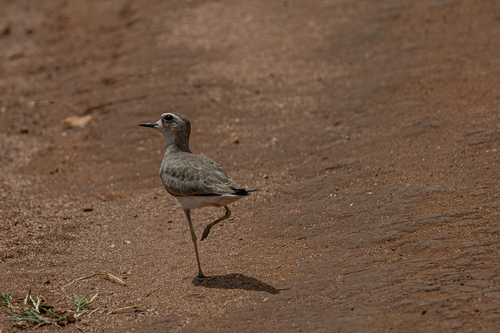
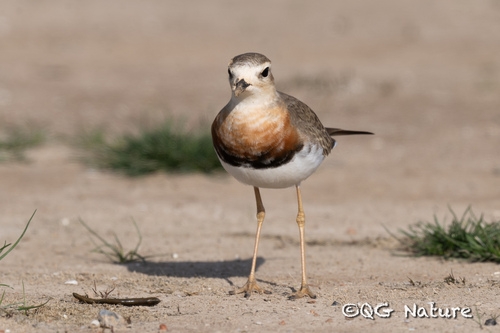
Caspian Plover (Anarhynchus asiaticus) Caspian Plover
Oriental Plover (Anarhynchus veredus) Oriental Plover

Media

Loading…

In short

The Caspian Plover and Oriental Plover can be distinguished primarily by their breast coloration during the breeding season: the Caspian Plover has a distinct chestnut breast band, while the Oriental Plover's breast is white with a faint or absent band. Both species are similar in size and structure, but the Oriental Plover typically appears more slender with longer legs.

Identification tips

  1. During the breeding season, look for the chestnut breast band on Caspian Plovers. 2. Note the slender build and longer legs of the Oriental Plover. 3. Observe habitat preferences: Caspian Plovers in drier regions, Oriental Plovers in grasslands. 4. Be cautious outside the breeding season, as plumage differences are less pronounced.

Size

Both species are similar in size, but the Oriental Plover often appears more slender with slightly longer legs.

Plumage

In breeding plumage, the Caspian Plover has a chestnut breast band, while the Oriental Plover has a white breast with a faint or absent band. Outside of the breeding season, both species have more subdued plumage, making them harder to distinguish.

Behaviour

Both species exhibit similar behaviors typical of plovers, such as quick runs and stops while foraging. However, the Oriental Plover may appear more active and agile.

Habitat

Caspian Plovers are typically found in open, dry habitats such as steppes and semi-deserts, while Oriental Plovers prefer grasslands and open plains. Their ranges overlap during migration.

Voice

Vocalizations are not a primary distinguishing feature, as both species have similar calls, often described as soft and melodious.

Submit a better description

Use the same sections as the comparison. Your text is published immediately.

The Caspian Plover and Oriental Plover can be distinguished primarily by their breast coloration during the breeding season: the Caspian Plover has a distinct chestnut breast band, while the Oriental Plover's breast is white with a faint or absent band. Both species are similar in size and structure, but the Oriental Plover typically appears more slender with longer legs.

  1. During the breeding season, look for the chestnut breast band on Caspian Plovers. 2. Note the slender build and longer legs of the Oriental Plover. 3. Observe habitat preferences: Caspian Plovers in drier regions, Oriental Plovers in grasslands. 4. Be cautious outside the breeding season, as plumage differences are less pronounced.

Both species are similar in size, but the Oriental Plover often appears more slender with slightly longer legs.

In breeding plumage, the Caspian Plover has a chestnut breast band, while the Oriental Plover has a white breast with a faint or absent band. Outside of the breeding season, both species have more subdued plumage, making them harder to distinguish.

Both species exhibit similar behaviors typical of plovers, such as quick runs and stops while foraging. However, the Oriental Plover may appear more active and agile.

Caspian Plovers are typically found in open, dry habitats such as steppes and semi-deserts, while Oriental Plovers prefer grasslands and open plains. Their ranges overlap during migration.

Vocalizations are not a primary distinguishing feature, as both species have similar calls, often described as soft and melodious.

Discard your changes?

You have unsaved edits. If you leave now, those changes will be lost.

Caspian Plover · Oriental Plover · My Tricky Birds