Caspian Plover vs Tibetan Sand Plover
Anarhynchus asiaticus versus Anarhynchus atrifrons
Play a quiz with Caspian Plover and Tibetan Sand Plover
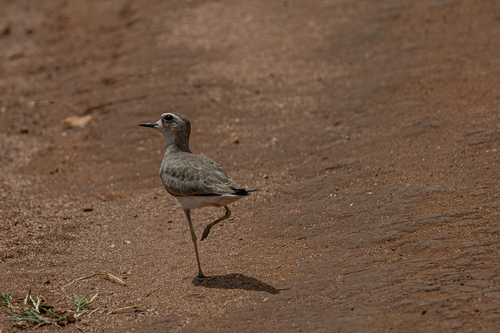
Caspian Plover
Tibetan Sand Plover
In short
The Caspian Plover and Tibetan Sand Plover can be challenging to differentiate, especially in non-breeding plumage. Key differences include the Caspian Plover's more slender build and longer legs compared to the Tibetan Sand Plover's more compact form. In breeding plumage, the male Tibetan Sand Plover's orange chest is a standout feature.
Identification tips
- Breeding plumage: Look for the orange chest on male Tibetan Sand Plovers. 2. Structure: Caspian Plovers have a more slender build and longer legs. 3. Habitat: Consider the habitat; Caspian Plovers prefer drier areas, while Tibetan Sand Plovers are found near water. 4. Non-breeding plumage: Note the overall paleness of the Tibetan Sand Plover compared to the Caspian Plover.
Size
The Caspian Plover is generally more slender with longer legs, while the Tibetan Sand Plover is more compact.
Plumage
In breeding plumage, male Tibetan Sand Plovers have a distinctive orange chest, while Caspian Plovers have a more uniform brownish upperpart. Outside of breeding season, both species have more subdued plumage, but the Tibetan Sand Plover remains paler overall.
Behaviour
Both species exhibit typical plover behavior, but the Caspian Plover may appear more upright due to its longer legs.
Habitat
Caspian Plovers are often found in open, dry habitats, while Tibetan Sand Plovers prefer sandy or muddy shores, often at higher altitudes.