Birdr

Caspian Plover vs Western Bowerbird

Anarhynchus asiaticus versus Chlamydera guttata

Play a quiz with Caspian Plover and Western Bowerbird
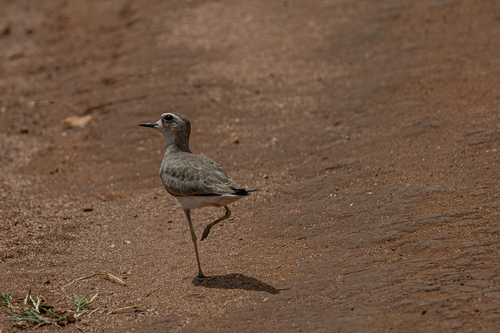
Caspian Plover (Anarhynchus asiaticus) Caspian Plover
Western Bowerbird (Chlamydera guttata) Western Bowerbird

Media

Loading…

In short

The Caspian Plover and Western Bowerbird are distinct in both appearance and behavior. The Caspian Plover is a wader with a sleek profile, while the Western Bowerbird is a passerine known for its bower-building behavior. Observing habitat and behavior will quickly differentiate these species.

Identification tips

1. Check the habitat: Caspian Plovers are in open, flat areas, while Western Bowerbirds prefer wooded areas. 2. Look for behavior: Caspian Plovers run and stop frequently; Western Bowerbirds may be seen near bowers. 3. Note plumage: Caspian Plovers have a chestnut breast band in breeding season, absent in Western Bowerbirds. 4. Listen for calls: Caspian Plovers have simple calls; Western Bowerbirds mimic other birds.

Size

Caspian Plover is smaller and more slender compared to the larger, stockier Western Bowerbird.

Plumage

Caspian Plover has a plain brown back with a white belly and a distinctive chestnut breast band in breeding plumage. Western Bowerbird is more uniformly brown with a pinkish nape patch.

Behaviour

Caspian Plover is often seen running on open ground, typical of plovers. Western Bowerbird is known for its unique behavior of building and decorating bowers.

Habitat

Caspian Plover prefers open, arid habitats like steppes and semi-deserts. Western Bowerbird is found in arid and semi-arid woodlands, often near water sources.

Voice

Caspian Plover has a simple, high-pitched call, while Western Bowerbird is known for a variety of mimicry and complex calls.

Submit a better description

Use the same sections as the comparison. Your text is published immediately.

The Caspian Plover and Western Bowerbird are distinct in both appearance and behavior. The Caspian Plover is a wader with a sleek profile, while the Western Bowerbird is a passerine known for its bower-building behavior. Observing habitat and behavior will quickly differentiate these species.

1. Check the habitat: Caspian Plovers are in open, flat areas, while Western Bowerbirds prefer wooded areas. 2. Look for behavior: Caspian Plovers run and stop frequently; Western Bowerbirds may be seen near bowers. 3. Note plumage: Caspian Plovers have a chestnut breast band in breeding season, absent in Western Bowerbirds. 4. Listen for calls: Caspian Plovers have simple calls; Western Bowerbirds mimic other birds.

Caspian Plover is smaller and more slender compared to the larger, stockier Western Bowerbird.

Caspian Plover has a plain brown back with a white belly and a distinctive chestnut breast band in breeding plumage. Western Bowerbird is more uniformly brown with a pinkish nape patch.

Caspian Plover is often seen running on open ground, typical of plovers. Western Bowerbird is known for its unique behavior of building and decorating bowers.

Caspian Plover prefers open, arid habitats like steppes and semi-deserts. Western Bowerbird is found in arid and semi-arid woodlands, often near water sources.

Caspian Plover has a simple, high-pitched call, while Western Bowerbird is known for a variety of mimicry and complex calls.

Discard your changes?

You have unsaved edits. If you leave now, those changes will be lost.

Caspian Plover · Western Bowerbird · My Tricky Birds