
Birdr

Chalk-browed Mockingbird vs White-banded Mockingbird

Mimus saturninus versus Mimus triurus

Play a quiz with Chalk-browed Mockingbird and White-banded Mockingbird
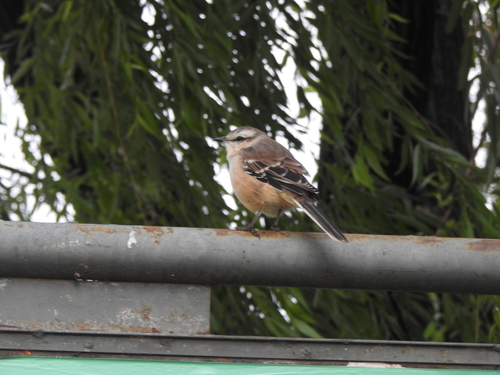
Chalk-browed Mockingbird (Mimus saturninus) Chalk-browed Mockingbird
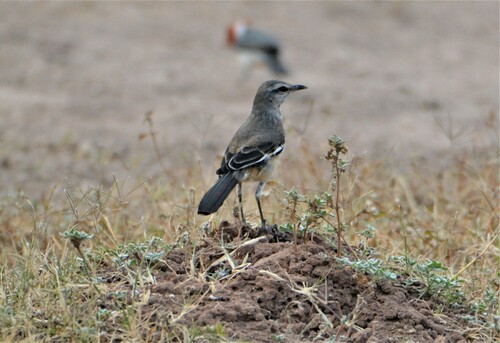
White-banded Mockingbird (Mimus triurus) White-banded Mockingbird

Media

Loading…

In short

The Chalk-browed Mockingbird and White-banded Mockingbird can be distinguished by their wing patterns and habitat preferences. The Chalk-browed Mockingbird has a more uniform appearance with a distinct white supercilium, while the White-banded Mockingbird is noted for its bold white wing bands visible in flight.

Identification tips

Look for white wing bands in flight to identify the White-banded Mockingbird. The Chalk-browed Mockingbird's white supercilium is a key feature when perched. Consider habitat: gardens and parks may suggest Chalk-browed, while open areas with trees may indicate White-banded.

Size

Both species are similar in size, typical of mockingbirds, with no significant differences noted.

Plumage

The Chalk-browed Mockingbird has a prominent white supercilium and a generally uniform brownish-grey plumage. The White-banded Mockingbird features striking white wing bands that are especially noticeable during flight, along with a more contrasting plumage.

Behaviour

Both species forage primarily on the ground and exhibit similar behaviors typical of mockingbirds, such as mimicking other birds' songs.

Habitat

The Chalk-browed Mockingbird is adaptable and often found in parks and gardens, while the White-banded Mockingbird is more likely to be seen in open habitats with scattered trees.

Voice

Both species have a loud and varied song, typical of mockingbirds, with no distinct differences noted in their vocalizations.

Submit a better description

Use the same sections as the comparison. Your text is published immediately.

The Chalk-browed Mockingbird and White-banded Mockingbird can be distinguished by their wing patterns and habitat preferences. The Chalk-browed Mockingbird has a more uniform appearance with a distinct white supercilium, while the White-banded Mockingbird is noted for its bold white wing bands visible in flight.

Look for white wing bands in flight to identify the White-banded Mockingbird. The Chalk-browed Mockingbird's white supercilium is a key feature when perched. Consider habitat: gardens and parks may suggest Chalk-browed, while open areas with trees may indicate White-banded.

Both species are similar in size, typical of mockingbirds, with no significant differences noted.

The Chalk-browed Mockingbird has a prominent white supercilium and a generally uniform brownish-grey plumage. The White-banded Mockingbird features striking white wing bands that are especially noticeable during flight, along with a more contrasting plumage.

Both species forage primarily on the ground and exhibit similar behaviors typical of mockingbirds, such as mimicking other birds' songs.

The Chalk-browed Mockingbird is adaptable and often found in parks and gardens, while the White-banded Mockingbird is more likely to be seen in open habitats with scattered trees.

Both species have a loud and varied song, typical of mockingbirds, with no distinct differences noted in their vocalizations.

Discard your changes?

You have unsaved edits. If you leave now, those changes will be lost.

Chalk-browed Mockingbird · White-banded Mockingbird · My Tricky Birds