Birdr

Chatham Albatross vs New Zealand Storm-Petrel

Thalassarche eremita versus Fregetta maoriana

Play a quiz with Chatham Albatross and New Zealand Storm-Petrel
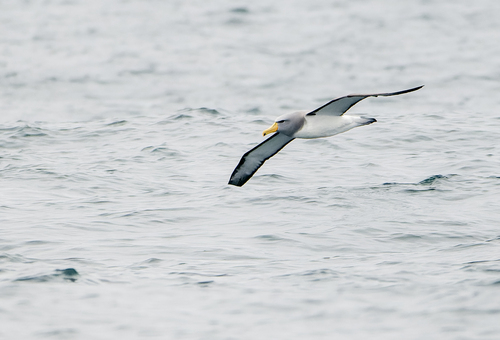
Chatham Albatross (Thalassarche eremita) Chatham Albatross
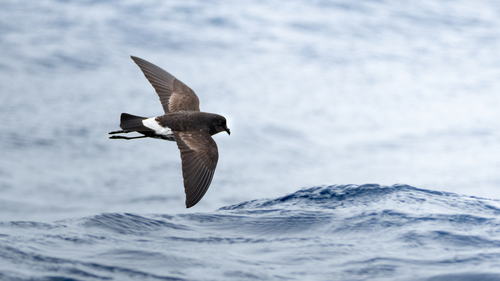
New Zealand Storm-Petrel (Fregetta maoriana) New Zealand Storm-Petrel

Media

Loading…

In short

The Chatham Albatross and the New Zealand Storm-Petrel are distinctly different in size and appearance, making them relatively easy to differentiate in the field. The Chatham Albatross is a large seabird with a robust build, while the New Zealand Storm-Petrel is much smaller and more delicate. Focus on size and flight pattern for reliable identification.

Identification tips

  1. Size: Use size as the primary distinguishing feature; Chatham Albatross is much larger. 2. Flight Pattern: Observe the flight; albatrosses glide, while storm-petrels flutter. 3. Plumage: Note the white rump of the storm-petrel and the black brow of the albatross. 4. Location: Consider the location; Chatham Albatrosses are more likely in open ocean, while storm-petrels may be closer to shore.

Size

The Chatham Albatross is significantly larger, with a wingspan that can exceed 2 meters, whereas the New Zealand Storm-Petrel is much smaller, with a wingspan of around 46 cm.

Plumage

Chatham Albatross has a predominantly white body with a dark back and wings, and a distinctive black brow. The New Zealand Storm-Petrel is mostly dark with a white belly and a distinctive white rump patch.

Behaviour

Chatham Albatrosses glide with stiff wings and are often seen soaring over open ocean. New Zealand Storm-Petrels have a fluttering flight pattern, often skimming close to the water surface.

Habitat

Chatham Albatrosses are typically found in open ocean environments, particularly around the Chatham Islands. New Zealand Storm-Petrels are also pelagic but are more often seen near the Hauraki Gulf and other coastal waters of New Zealand.

Voice

Vocalizations are not typically used to identify these species in the field, as both are generally silent at sea.

Submit a better description

Use the same sections as the comparison. Your text is published immediately.

The Chatham Albatross and the New Zealand Storm-Petrel are distinctly different in size and appearance, making them relatively easy to differentiate in the field. The Chatham Albatross is a large seabird with a robust build, while the New Zealand Storm-Petrel is much smaller and more delicate. Focus on size and flight pattern for reliable identification.

  1. Size: Use size as the primary distinguishing feature; Chatham Albatross is much larger. 2. Flight Pattern: Observe the flight; albatrosses glide, while storm-petrels flutter. 3. Plumage: Note the white rump of the storm-petrel and the black brow of the albatross. 4. Location: Consider the location; Chatham Albatrosses are more likely in open ocean, while storm-petrels may be closer to shore.

The Chatham Albatross is significantly larger, with a wingspan that can exceed 2 meters, whereas the New Zealand Storm-Petrel is much smaller, with a wingspan of around 46 cm.

Chatham Albatross has a predominantly white body with a dark back and wings, and a distinctive black brow. The New Zealand Storm-Petrel is mostly dark with a white belly and a distinctive white rump patch.

Chatham Albatrosses glide with stiff wings and are often seen soaring over open ocean. New Zealand Storm-Petrels have a fluttering flight pattern, often skimming close to the water surface.

Chatham Albatrosses are typically found in open ocean environments, particularly around the Chatham Islands. New Zealand Storm-Petrels are also pelagic but are more often seen near the Hauraki Gulf and other coastal waters of New Zealand.

Vocalizations are not typically used to identify these species in the field, as both are generally silent at sea.

Discard your changes?

You have unsaved edits. If you leave now, those changes will be lost.

Chatham Albatross · New Zealand Storm-Petrel · My Tricky Birds