Birdr

Chestnut-capped Foliage-gleaner vs Rufous-fronted Thornbird

Clibanornis rectirostris versus Phacellodomus rufifrons

Play a quiz with Chestnut-capped Foliage-gleaner and Rufous-fronted Thornbird

Chestnut-capped Foliage-gleaner (Clibanornis rectirostris) Chestnut-capped Foliage-gleaner
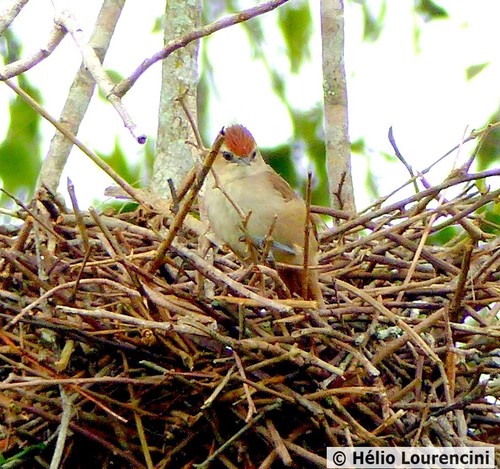
Rufous-fronted Thornbird (Phacellodomus rufifrons) Rufous-fronted Thornbird

Media

Loading…

In short

The Chestnut-capped Foliage-gleaner and Rufous-fronted Thornbird are both rufous-toned birds from the Furnariidae family, but they can be distinguished by their head markings and bill shape. The Foliage-gleaner has a more uniform rufous plumage with a distinctive chestnut cap, while the Thornbird features a rufous front and a more slender bill.

Identification tips

  1. Look for the chestnut cap on the Foliage-gleaner, absent in the Thornbird. 2. Note the bill shape: the Foliage-gleaner has a heavier bill, while the Thornbird's is more slender. 3. Listen for the Foliage-gleaner's unique calls, which can aid in locating it. 4. Observe habitat: Foliage-gleaners prefer dense forests, while Thornbirds are more often in open woodlands.

Size

Both species are similar in size, typical of small to medium-sized ovenbirds.

Plumage

The Chestnut-capped Foliage-gleaner has a uniform rufous plumage with a prominent chestnut cap and bright yellow irides. In contrast, the Rufous-fronted Thornbird has a rufous front and lacks the distinct cap, with more variation in its plumage.

Behaviour

Both species are active foragers, but the Foliage-gleaner is often located by its distinctive vocalizations, while the Thornbird may be observed constructing large stick nests.

Habitat

Both species inhabit forested areas, but the Chestnut-capped Foliage-gleaner is typically found in dense, humid forests, whereas the Rufous-fronted Thornbird prefers more open woodland and scrubby areas.

Voice

The Chestnut-capped Foliage-gleaner is known for its unique vocalizations that resemble a 'demented' domestic fowl. The Rufous-fronted Thornbird's vocalizations are less distinctive and not as prominently featured in identification.

Submit a better description

Use the same sections as the comparison. Your text is published immediately.

The Chestnut-capped Foliage-gleaner and Rufous-fronted Thornbird are both rufous-toned birds from the Furnariidae family, but they can be distinguished by their head markings and bill shape. The Foliage-gleaner has a more uniform rufous plumage with a distinctive chestnut cap, while the Thornbird features a rufous front and a more slender bill.

  1. Look for the chestnut cap on the Foliage-gleaner, absent in the Thornbird. 2. Note the bill shape: the Foliage-gleaner has a heavier bill, while the Thornbird's is more slender. 3. Listen for the Foliage-gleaner's unique calls, which can aid in locating it. 4. Observe habitat: Foliage-gleaners prefer dense forests, while Thornbirds are more often in open woodlands.

Both species are similar in size, typical of small to medium-sized ovenbirds.

The Chestnut-capped Foliage-gleaner has a uniform rufous plumage with a prominent chestnut cap and bright yellow irides. In contrast, the Rufous-fronted Thornbird has a rufous front and lacks the distinct cap, with more variation in its plumage.

Both species are active foragers, but the Foliage-gleaner is often located by its distinctive vocalizations, while the Thornbird may be observed constructing large stick nests.

Both species inhabit forested areas, but the Chestnut-capped Foliage-gleaner is typically found in dense, humid forests, whereas the Rufous-fronted Thornbird prefers more open woodland and scrubby areas.

The Chestnut-capped Foliage-gleaner is known for its unique vocalizations that resemble a 'demented' domestic fowl. The Rufous-fronted Thornbird's vocalizations are less distinctive and not as prominently featured in identification.

Discard your changes?

You have unsaved edits. If you leave now, those changes will be lost.

Chestnut-capped Foliage-gleaner · Rufous-fronted Thornbird · My Tricky Birds