
Chestnut-rumped Thornbill vs Buff-rumped Thornbill
Acanthiza uropygialis versus Acanthiza reguloides
Play a quiz with Chestnut-rumped Thornbill and Buff-rumped Thornbill
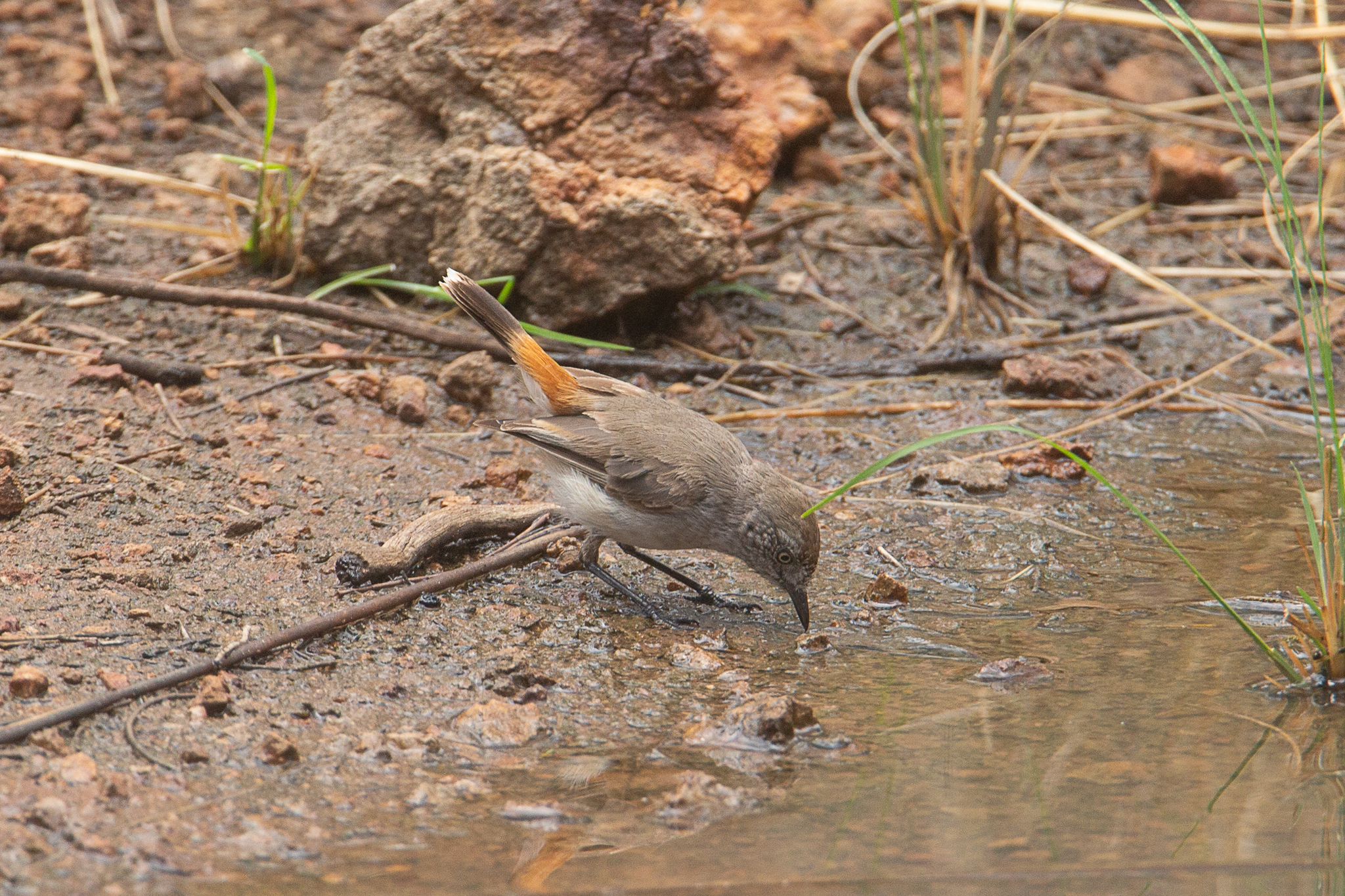 Chestnut-rumped Thornbill
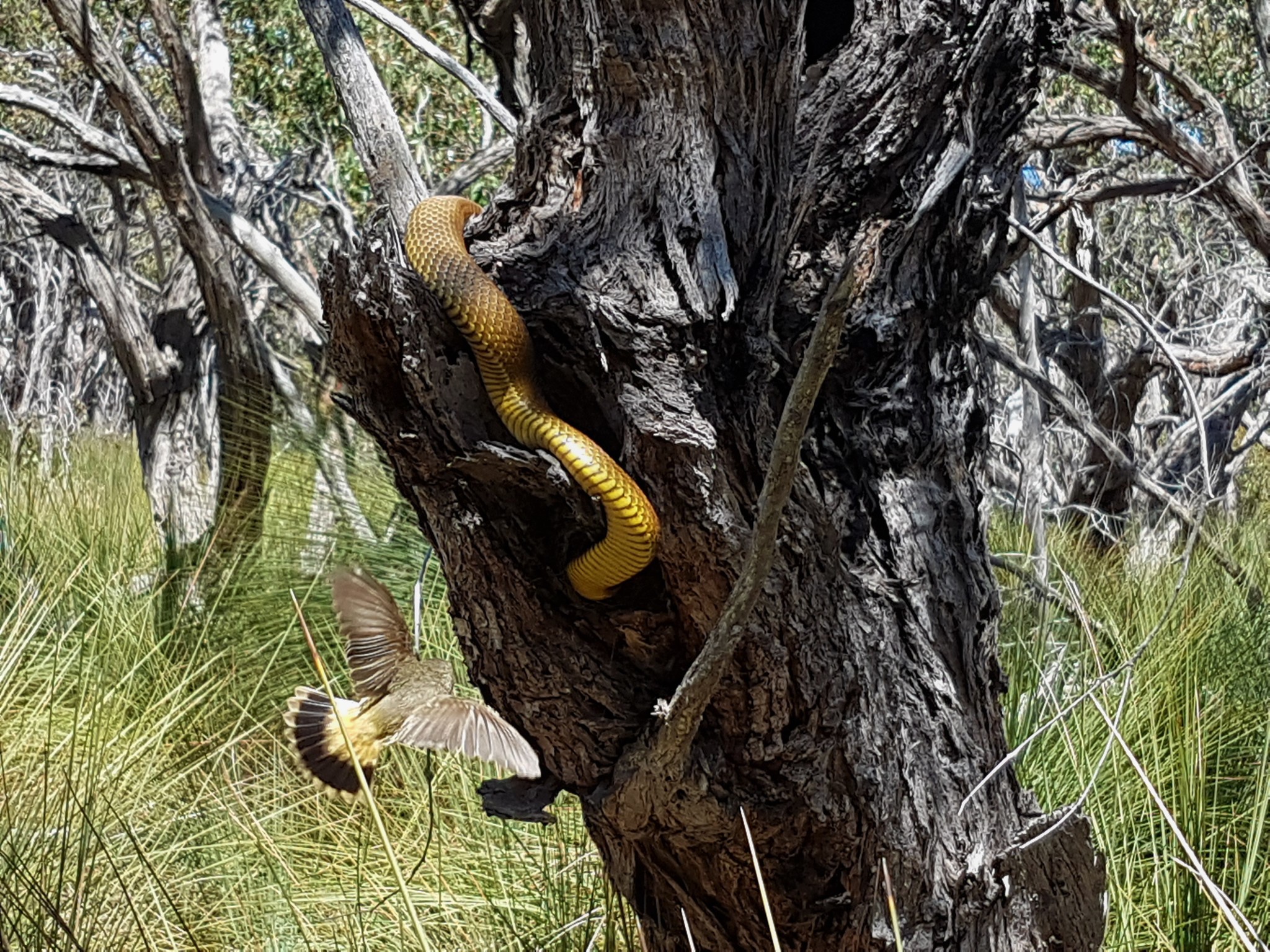 Buff-rumped Thornbill
In short
The Chestnut-rumped Thornbill and Buff-rumped Thornbill are similar small passerines, but they can be distinguished by their rump color and subtle differences in behavior. The Chestnut-rumped Thornbill has a distinctive chestnut-colored rump, while the Buff-rumped Thornbill features a more yellowish rump. Both species share similar habitats, but their vocalizations can also aid in identification.
Identification tips
- Look for the rump color: chestnut for Chestnut-rumped, buff for Buff-rumped. 2. Observe flocking behavior: Buff-rumped may join mixed-species flocks more often. 3. Listen for subtle differences in calls if familiar with their vocalizations.
Size
Both species are small and similar in size, typical of thornbills.
Plumage
The Chestnut-rumped Thornbill has a chestnut-colored rump, contrasting with its otherwise greyish-brown plumage. In contrast, the Buff-rumped Thornbill displays a yellowish or buff-colored rump, which is a key distinguishing feature.
Behaviour
Both species are active and often found in small flocks. They forage in a similar manner, but the Buff-rumped Thornbill may be more likely to be seen in mixed-species flocks.
Habitat
Both species inhabit open woodlands and scrublands, often preferring areas with a mix of trees and shrubs. They are frequently found in similar environments, making habitat a less reliable distinguishing factor.
Voice
Vocalizations are not well-documented in the sources, but generally, thornbills have high-pitched, tinkling calls. Differences in calls may exist but are subtle and not always reliable for field identification.
Chestnut-rumped Thornbill · Buff-rumped Thornbill · My Tricky Birds