
Chestnut-rumped Thornbill vs Western Thornbill
Acanthiza uropygialis versus Acanthiza inornata
Play a quiz with Chestnut-rumped Thornbill and Western Thornbill
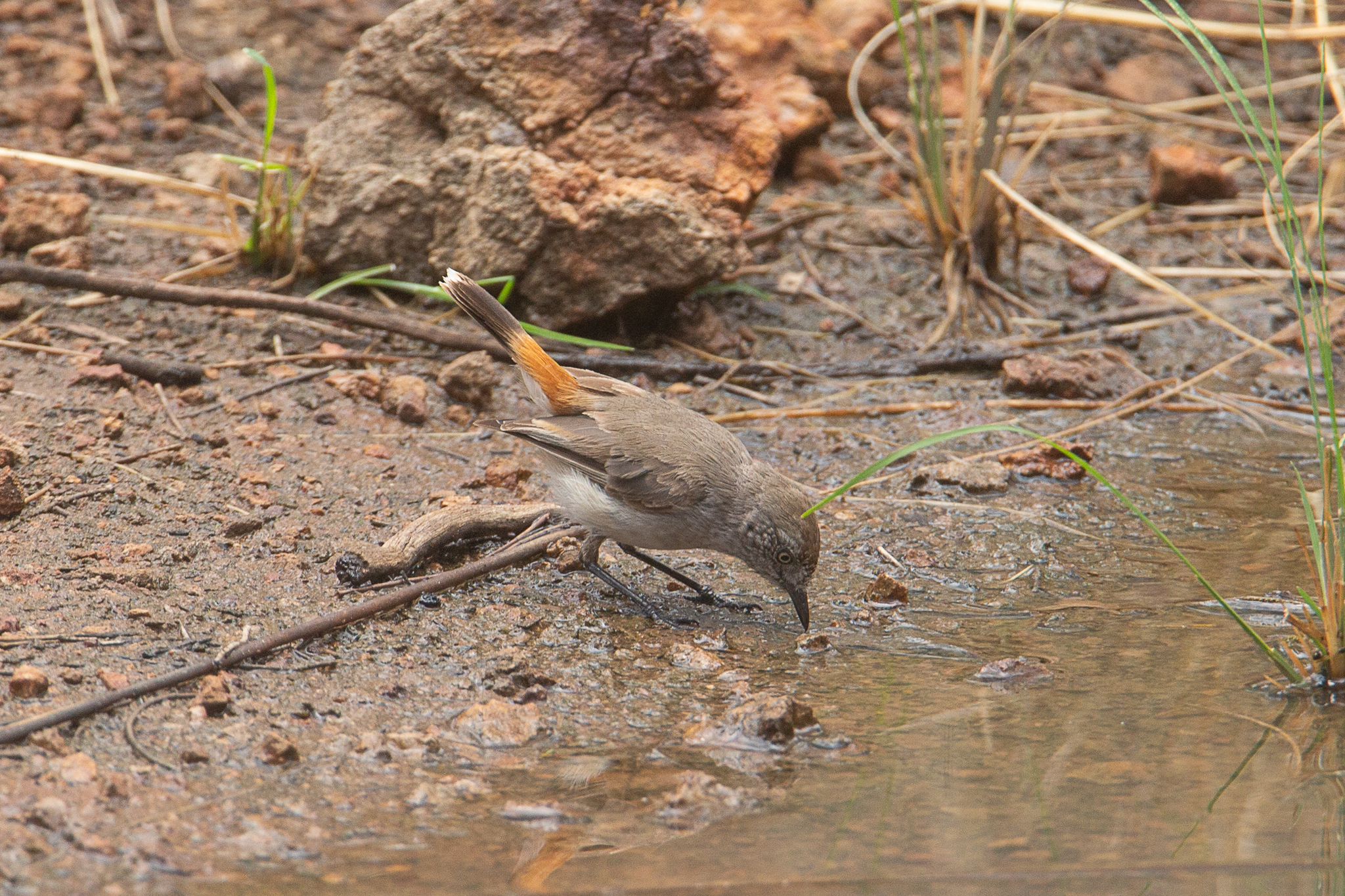 Chestnut-rumped Thornbill
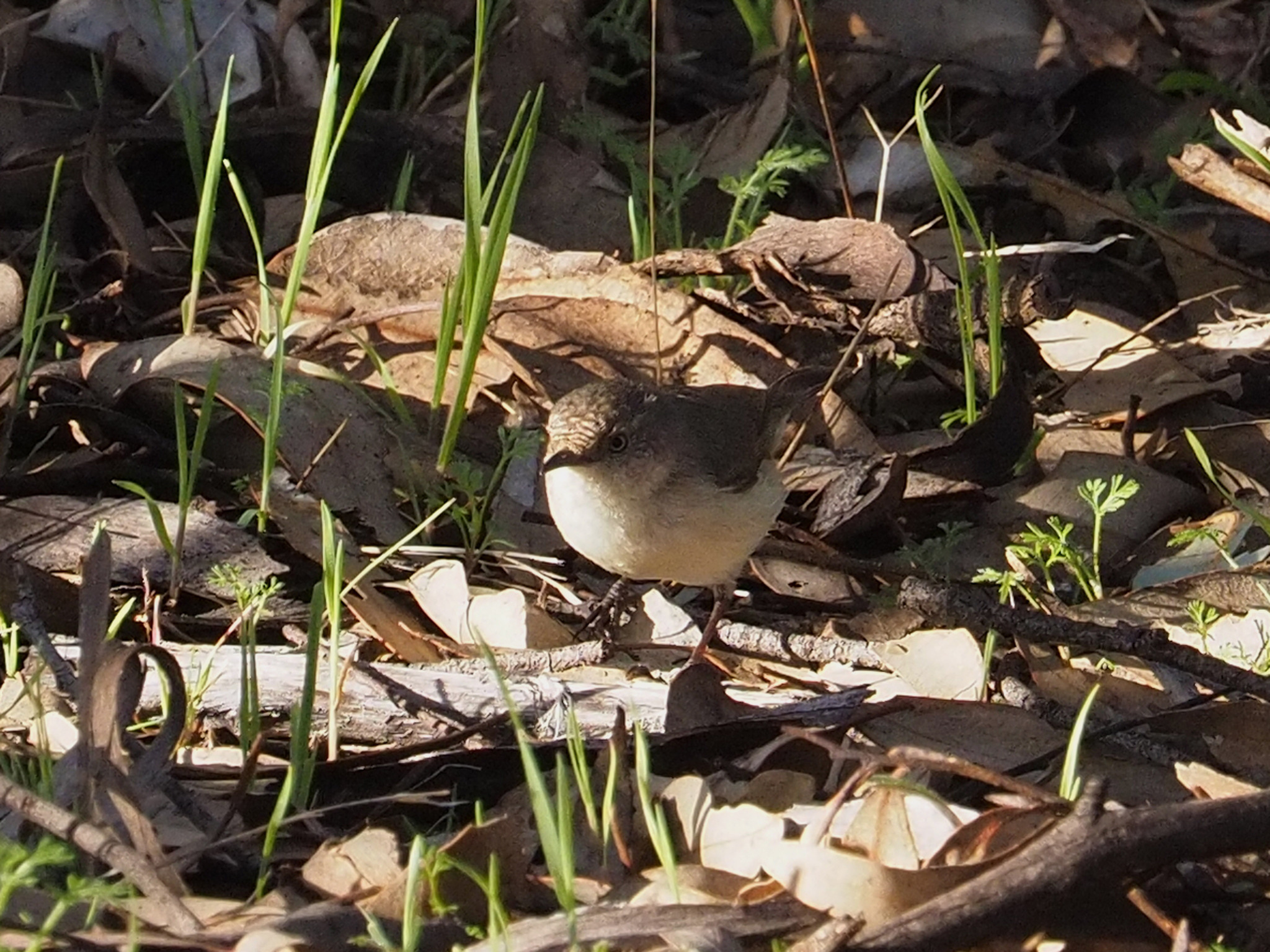 Western Thornbill
In short
The Chestnut-rumped Thornbill and the Western Thornbill can be distinguished primarily by the color of their rump. The Chestnut-rumped Thornbill has a distinctive chestnut-colored rump, while the Western Thornbill lacks this feature and has a more uniform brown plumage. Observing the rump color is the most reliable field mark when these species are seen together.
Identification tips
- Check the rump color: Chestnut-rumped Thornbill has a chestnut rump, Western Thornbill does not.
- Observe overall plumage: Western Thornbill has more uniform brown tones.
- Consider habitat overlap: Both species can be found in similar habitats, so focus on plumage differences.
- Listen for calls: While not distinct, familiarizing with their calls may aid in identification when visual confirmation is difficult.
Size
Both species are similar in size, typical of thornbills, and size is not a reliable distinguishing feature.
Plumage
The Chestnut-rumped Thornbill has a chestnut-colored rump, which is a key distinguishing feature. The Western Thornbill has a more uniform brown plumage without the chestnut rump. Both species have similar overall brown and grey tones otherwise.
Behaviour
Both species exhibit similar foraging behavior, often seen in small flocks and actively moving through foliage.
Habitat
Both species inhabit dry, open woodlands and scrublands, often overlapping in range, making habitat alone an unreliable distinguishing factor.
Voice
Vocalizations are not significantly different enough to reliably distinguish these species in the field.
Chestnut-rumped Thornbill · Western Thornbill · My Tricky Birds