Birdr

Chimney Swift vs Alpine Swift

Chaetura pelagica versus Tachymarptis melba

Play a quiz with Chimney Swift and Alpine Swift
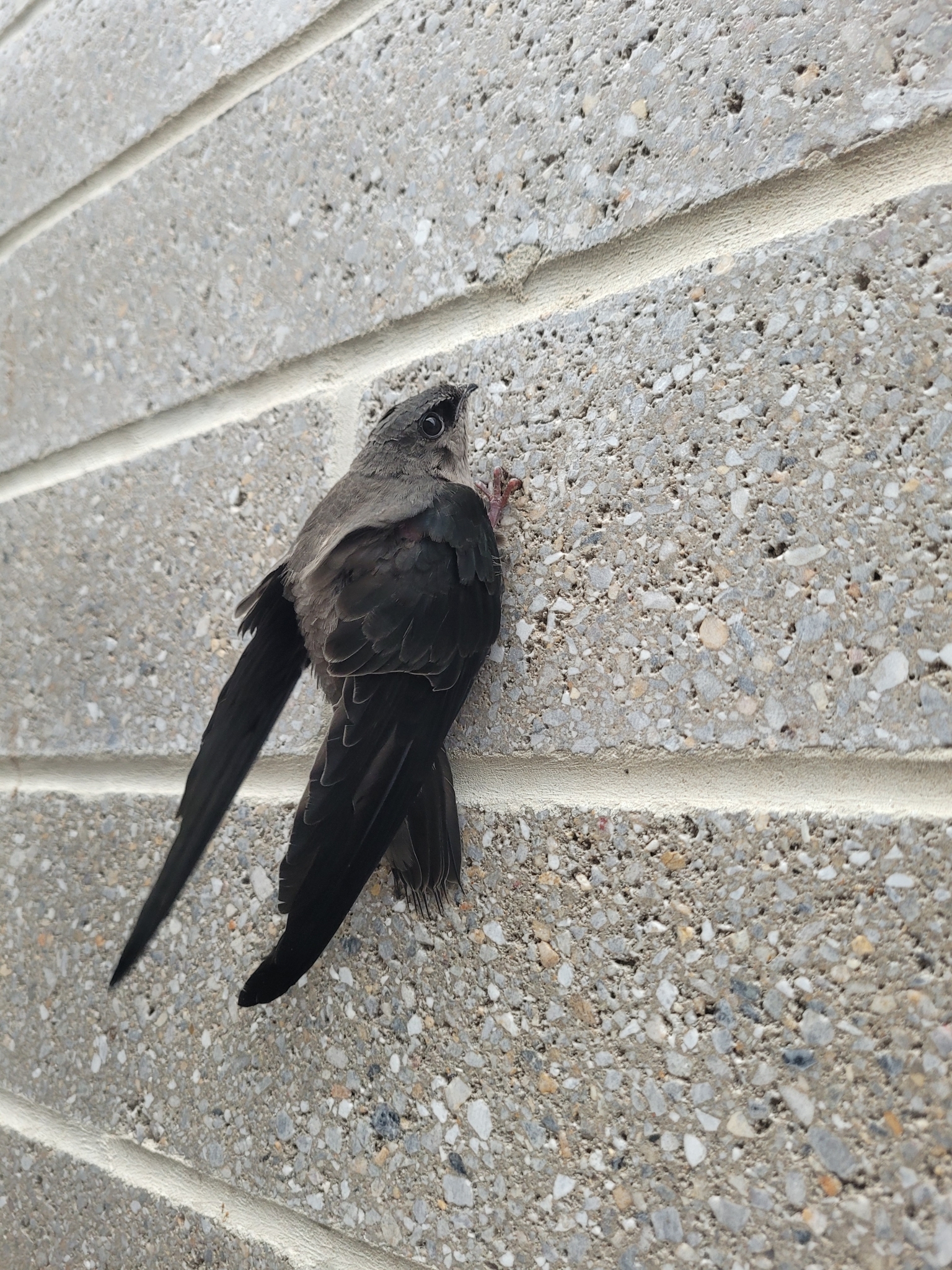
Chimney Swift (Chaetura pelagica) Chimney Swift
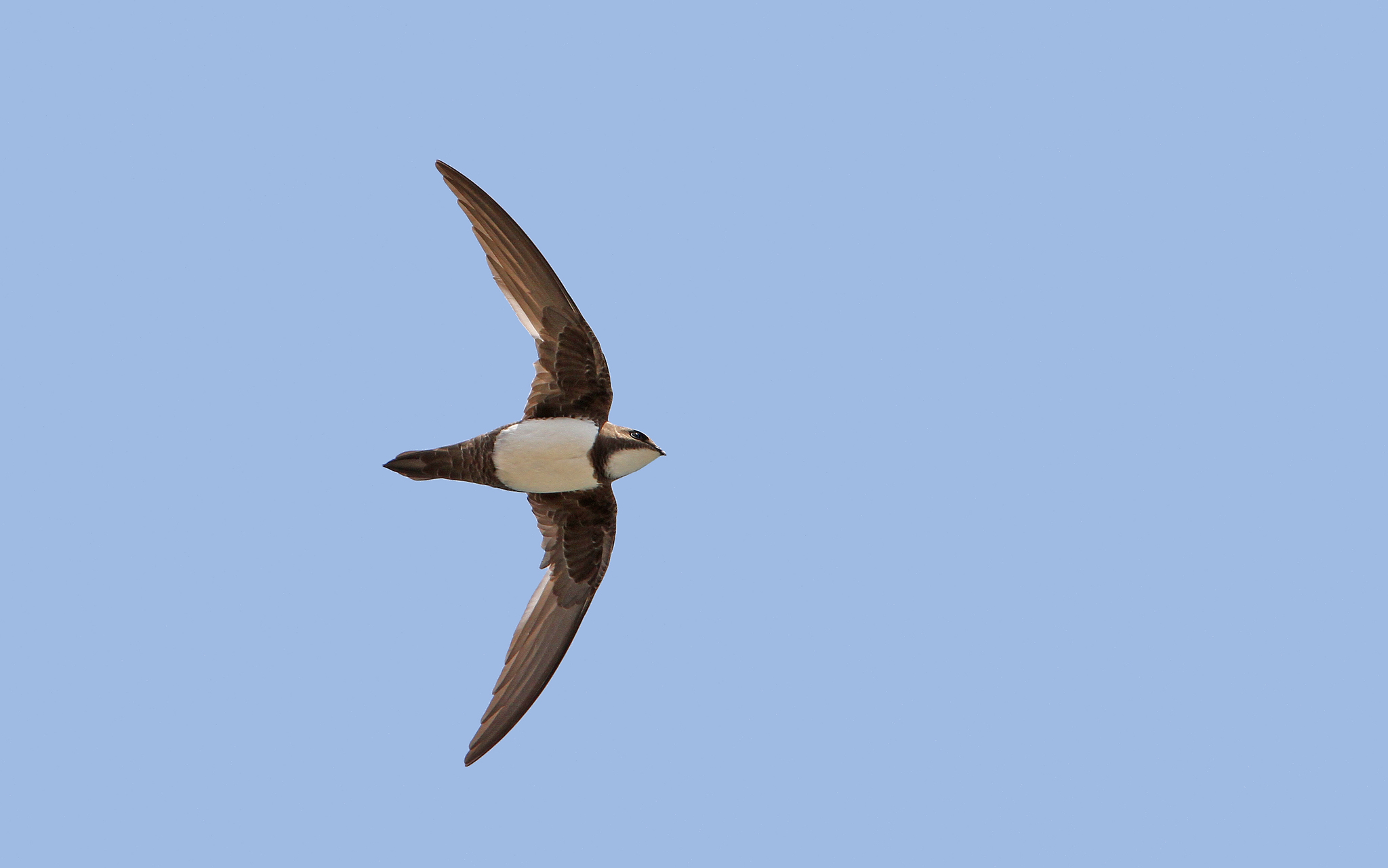
Alpine Swift (Tachymarptis melba) Alpine Swift

Media

Loading…

In short

Chimney Swift and Alpine Swift are both aerial insectivores but differ in size and plumage. Chimney Swifts are smaller with a uniformly dark appearance, while Alpine Swifts are larger and have a distinctive white belly and throat. Both species are often seen in flight, making structural and plumage differences key for identification.

Identification tips

  1. Size: Note the larger size of the Alpine Swift. 2. Plumage: Look for the white belly and throat of the Alpine Swift. 3. Flight Style: Both are agile fliers, but the larger size of the Alpine Swift can be noticeable in flight. 4. Habitat: Consider the location; urban areas may favor Chimney Swifts, while mountainous areas may indicate Alpine Swifts.

Size

The Alpine Swift is significantly larger than the Chimney Swift, with a wingspan nearly double that of the Chimney Swift.

Plumage

Chimney Swifts are uniformly dark gray-brown, lacking any contrasting markings. In contrast, Alpine Swifts have a striking white belly and throat, which are prominent field marks against their otherwise dark plumage.

Behaviour

Both species are highly aerial, spending most of their time in flight. Chimney Swifts are often seen in large flocks, especially around roosting sites, while Alpine Swifts are more solitary or in small groups.

Habitat

Chimney Swifts are typically found around urban areas with suitable chimneys for nesting, whereas Alpine Swifts prefer mountainous regions and cliffs for nesting.

Voice

Chimney Swifts have a rapid series of high-pitched chips, while Alpine Swifts produce a more melodious and varied call. However, vocalizations are not the most reliable distinguishing feature.

Submit a better description

Use the same sections as the comparison. Your text is published immediately.

Chimney Swift and Alpine Swift are both aerial insectivores but differ in size and plumage. Chimney Swifts are smaller with a uniformly dark appearance, while Alpine Swifts are larger and have a distinctive white belly and throat. Both species are often seen in flight, making structural and plumage differences key for identification.

  1. Size: Note the larger size of the Alpine Swift. 2. Plumage: Look for the white belly and throat of the Alpine Swift. 3. Flight Style: Both are agile fliers, but the larger size of the Alpine Swift can be noticeable in flight. 4. Habitat: Consider the location; urban areas may favor Chimney Swifts, while mountainous areas may indicate Alpine Swifts.

The Alpine Swift is significantly larger than the Chimney Swift, with a wingspan nearly double that of the Chimney Swift.

Chimney Swifts are uniformly dark gray-brown, lacking any contrasting markings. In contrast, Alpine Swifts have a striking white belly and throat, which are prominent field marks against their otherwise dark plumage.

Both species are highly aerial, spending most of their time in flight. Chimney Swifts are often seen in large flocks, especially around roosting sites, while Alpine Swifts are more solitary or in small groups.

Chimney Swifts are typically found around urban areas with suitable chimneys for nesting, whereas Alpine Swifts prefer mountainous regions and cliffs for nesting.

Chimney Swifts have a rapid series of high-pitched chips, while Alpine Swifts produce a more melodious and varied call. However, vocalizations are not the most reliable distinguishing feature.

Discard your changes?

You have unsaved edits. If you leave now, those changes will be lost.

Chimney Swift · Alpine Swift · My Tricky Birds