Birdr

Chinese Vivid Niltava vs Zappey's Flycatcher

Niltava oatesi versus Cyanoptila cumatilis

Play a quiz with Chinese Vivid Niltava and Zappey's Flycatcher
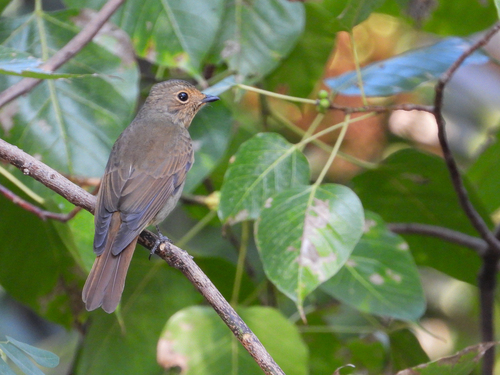
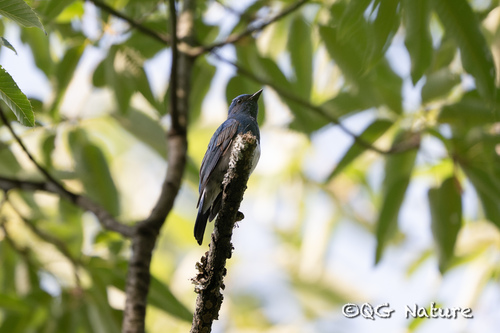
Chinese Vivid Niltava (Niltava oatesi) Chinese Vivid Niltava
Zappey's Flycatcher (Cyanoptila cumatilis) Zappey's Flycatcher

Media

Loading…

In short

Chinese Vivid Niltava and Zappey's Flycatcher can be tricky to differentiate at a glance, but key differences in plumage and behavior can aid identification. The Niltava is more robust, with a distinctive blue crown and throat, while Zappey's Flycatcher has a more uniform blue with a white belly.

Identification tips

  1. Plumage: Look for the blue crown and orange breast of the Chinese Vivid Niltava versus the uniform blue and white belly of Zappey's Flycatcher. 2. Size and Structure: Note the more robust build of the Niltava. 3. Habitat: Consider the habitat; Niltava prefers denser forests, while Zappey's may be in more open areas. 4. Vocalizations: Listen for differences in song or call, though specifics are not well-documented.

Size

Chinese Vivid Niltava is generally more robust and slightly larger than Zappey's Flycatcher.

Plumage

The Chinese Vivid Niltava features a striking blue crown and throat with a contrasting orange breast, whereas Zappey's Flycatcher is more uniformly blue with a white belly and lacks the vivid orange tones.

Behaviour

Both species are active flycatchers, but the Chinese Vivid Niltava may be observed more often in dense undergrowth, while Zappey's Flycatcher is often seen in more open forest edges.

Habitat

Chinese Vivid Niltava is found mainly in southwest China and migrates to Southeast Asia, preferring dense forests. Zappey's Flycatcher is also found in similar regions but tends to favor more open forest habitats.

Voice

Vocalizations differ, but specific details are not well-documented. Observers should note any differences in song or call when possible.

Submit a better description

Use the same sections as the comparison. Your text is published immediately.

Chinese Vivid Niltava and Zappey's Flycatcher can be tricky to differentiate at a glance, but key differences in plumage and behavior can aid identification. The Niltava is more robust, with a distinctive blue crown and throat, while Zappey's Flycatcher has a more uniform blue with a white belly.

  1. Plumage: Look for the blue crown and orange breast of the Chinese Vivid Niltava versus the uniform blue and white belly of Zappey's Flycatcher. 2. Size and Structure: Note the more robust build of the Niltava. 3. Habitat: Consider the habitat; Niltava prefers denser forests, while Zappey's may be in more open areas. 4. Vocalizations: Listen for differences in song or call, though specifics are not well-documented.

Chinese Vivid Niltava is generally more robust and slightly larger than Zappey's Flycatcher.

The Chinese Vivid Niltava features a striking blue crown and throat with a contrasting orange breast, whereas Zappey's Flycatcher is more uniformly blue with a white belly and lacks the vivid orange tones.

Both species are active flycatchers, but the Chinese Vivid Niltava may be observed more often in dense undergrowth, while Zappey's Flycatcher is often seen in more open forest edges.

Chinese Vivid Niltava is found mainly in southwest China and migrates to Southeast Asia, preferring dense forests. Zappey's Flycatcher is also found in similar regions but tends to favor more open forest habitats.

Vocalizations differ, but specific details are not well-documented. Observers should note any differences in song or call when possible.

Discard your changes?

You have unsaved edits. If you leave now, those changes will be lost.

Chinese Vivid Niltava · Zappey's Flycatcher · My Tricky Birds