Birdr

Chinspot Batis vs White-crested Helmetshrike

Batis molitor versus Prionops plumatus

Play a quiz with Chinspot Batis and White-crested Helmetshrike
Chinspot Batis (Batis molitor) Chinspot Batis
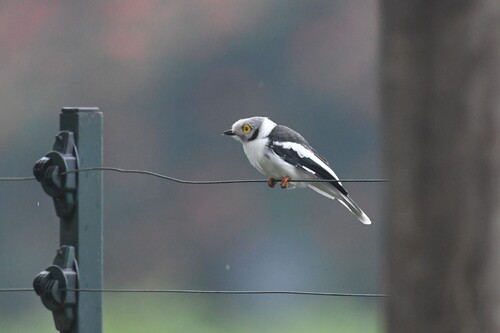
White-crested Helmetshrike (Prionops plumatus) White-crested Helmetshrike

Media

Loading…

In short

The Chinspot Batis and White-crested Helmetshrike are distinct in appearance and behavior, with the Batis being smaller and more solitary, while the Helmetshrike is larger and often seen in groups. Key differences include the Helmetshrike's prominent white crest and social behavior compared to the Batis's more subdued plumage and solitary nature.

Identification tips

Look for the white crest and group behavior of the Helmetshrike. The Batis is smaller, with a distinctive chin spot and more solitary habits. In mixed habitats, listen for the Helmetshrike's varied calls to locate them.

Size

The White-crested Helmetshrike is noticeably larger than the Chinspot Batis.

Plumage

The Chinspot Batis has a more subdued plumage with a distinctive chin spot, while the White-crested Helmetshrike features a prominent white crest and more contrasting black and white plumage.

Behaviour

Chinspot Batis is typically solitary or found in pairs, whereas the White-crested Helmetshrike is often seen in noisy, active groups.

Habitat

Both species can be found in woodland and savanna habitats, but the Helmetshrike is more likely to be seen in open areas with scattered trees.

Voice

The vocalizations of the two species differ, with the Helmetshrike having a more varied and social call repertoire compared to the Batis's simpler calls.

Submit a better description

Use the same sections as the comparison. Your text is published immediately.

The Chinspot Batis and White-crested Helmetshrike are distinct in appearance and behavior, with the Batis being smaller and more solitary, while the Helmetshrike is larger and often seen in groups. Key differences include the Helmetshrike's prominent white crest and social behavior compared to the Batis's more subdued plumage and solitary nature.

Look for the white crest and group behavior of the Helmetshrike. The Batis is smaller, with a distinctive chin spot and more solitary habits. In mixed habitats, listen for the Helmetshrike's varied calls to locate them.

The White-crested Helmetshrike is noticeably larger than the Chinspot Batis.

The Chinspot Batis has a more subdued plumage with a distinctive chin spot, while the White-crested Helmetshrike features a prominent white crest and more contrasting black and white plumage.

Chinspot Batis is typically solitary or found in pairs, whereas the White-crested Helmetshrike is often seen in noisy, active groups.

Both species can be found in woodland and savanna habitats, but the Helmetshrike is more likely to be seen in open areas with scattered trees.

The vocalizations of the two species differ, with the Helmetshrike having a more varied and social call repertoire compared to the Batis's simpler calls.

Discard your changes?

You have unsaved edits. If you leave now, those changes will be lost.

Chinspot Batis · White-crested Helmetshrike · My Tricky Birds