
Birdr

Cinereous Harrier vs Bicoloured Hawk

Circus cinereus versus Astur bicolor

Play a quiz with Cinereous Harrier and Bicoloured Hawk
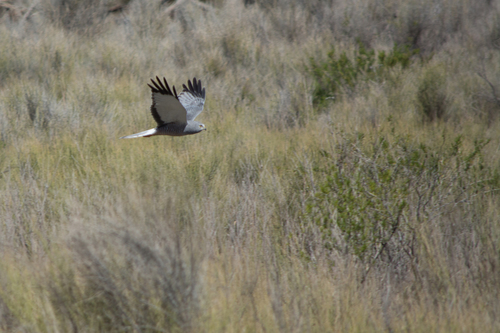
Cinereous Harrier (Circus cinereus) Cinereous Harrier
Bicoloured Hawk (Astur bicolor) Bicoloured Hawk

Media

Loading…

In short

The Cinereous Harrier and Bicolored Hawk can be distinguished by their habitat and behavior. The Cinereous Harrier is typically found in open grasslands and wetlands, while the Bicolored Hawk prefers forested areas. In flight, the harrier's long wings and tail are notable, contrasting with the hawk's shorter wings and tail.

Identification tips

  1. Habitat: Look for Cinereous Harriers in open areas and Bicolored Hawks in forests. 2. Flight Style: Harriers glide low over fields; hawks are more likely to perch and ambush. 3. Size and Shape: Harriers have longer wings and tails. 4. Plumage: Note the harrier's gray and black wingtips versus the hawk's variable underparts.

Size

The Cinereous Harrier is generally larger with longer wings and tail compared to the more compact Bicolored Hawk.

Plumage

Cinereous Harrier males are gray with black wingtips, while females are brown with streaked underparts. The Bicolored Hawk shows polymorphism, with underparts ranging from dark gray to rufous with white barring, and some subspecies have rufous or gray underwing coverts.

Behaviour

Cinereous Harriers are often seen gliding low over open areas, whereas Bicolored Hawks perch within forests and ambush prey.

Habitat

Cinereous Harriers inhabit open grasslands and wetlands, while Bicolored Hawks are found in forested areas, often near clearings.

Submit a better description

Use the same sections as the comparison. Your text is published immediately.

The Cinereous Harrier and Bicolored Hawk can be distinguished by their habitat and behavior. The Cinereous Harrier is typically found in open grasslands and wetlands, while the Bicolored Hawk prefers forested areas. In flight, the harrier's long wings and tail are notable, contrasting with the hawk's shorter wings and tail.

  1. Habitat: Look for Cinereous Harriers in open areas and Bicolored Hawks in forests. 2. Flight Style: Harriers glide low over fields; hawks are more likely to perch and ambush. 3. Size and Shape: Harriers have longer wings and tails. 4. Plumage: Note the harrier's gray and black wingtips versus the hawk's variable underparts.

The Cinereous Harrier is generally larger with longer wings and tail compared to the more compact Bicolored Hawk.

Cinereous Harrier males are gray with black wingtips, while females are brown with streaked underparts. The Bicolored Hawk shows polymorphism, with underparts ranging from dark gray to rufous with white barring, and some subspecies have rufous or gray underwing coverts.

Cinereous Harriers are often seen gliding low over open areas, whereas Bicolored Hawks perch within forests and ambush prey.

Cinereous Harriers inhabit open grasslands and wetlands, while Bicolored Hawks are found in forested areas, often near clearings.

Discard your changes?

You have unsaved edits. If you leave now, those changes will be lost.

Cinereous Harrier · Bicoloured Hawk · My Tricky Birds