Clicking Shrike-Babbler vs Mangrove Whistler
Pteruthius intermedius versus Pachycephala cinerea
Play a quiz with Clicking Shrike-Babbler and Mangrove Whistler
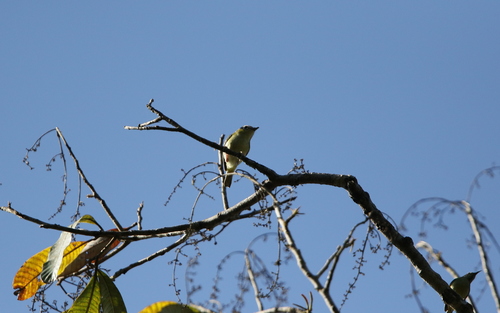
Clicking Shrike-Babbler
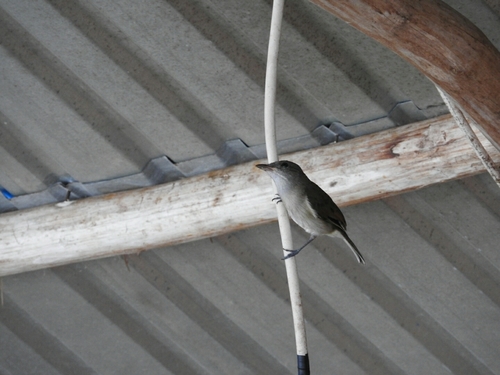
Mangrove Whistler
In short
The Clicking Shrike-Babbler and Mangrove Whistler can be distinguished by their plumage and habitat preferences. The Clicking Shrike-Babbler features a distinctive chestnut-brown forehead and throat, while the Mangrove Whistler is more uniformly gray-brown. Habitat is a key differentiator, with the Shrike-Babbler favoring montane forests and the Whistler found in mangrove areas.
Identification tips
- Look for the chestnut-brown forehead and throat in the Clicking Shrike-Babbler. 2. Note the habitat: montane forests for Shrike-Babbler vs. mangroves for Whistler. 3. Listen for the clicking song of the Shrike-Babbler compared to the Whistler's melodious calls.
Size
Both species are similar in size, but the Mangrove Whistler may appear slightly bulkier.
Plumage
The Clicking Shrike-Babbler has a broad chestnut-brown forehead, throat, and upper breast, with a silver-gray eyestripe and black-and-white wingbars. In contrast, the Mangrove Whistler is more uniformly gray-brown without the striking chestnut and wingbar pattern.
Behaviour
Clicking Shrike-Babblers often forage high in the canopy, typically with mixed-species flocks. The Mangrove Whistler is more solitary and less likely to join mixed flocks.
Habitat
Clicking Shrike-Babblers are found in (sub)montane forests, while Mangrove Whistlers inhabit mangrove forests and coastal woodlands.
Voice
The Clicking Shrike-Babbler's song consists of well-separated clicks, whereas the Mangrove Whistler has a more melodious and varied song.
Clicking Shrike-Babbler · Mangrove Whistler · My Tricky Birds