Common Grackle vs Yellow-rumped Warbler
Quiscalus quiscula versus Setophaga coronata
Play a quiz with Common Grackle and Yellow-rumped Warbler
Common Grackle
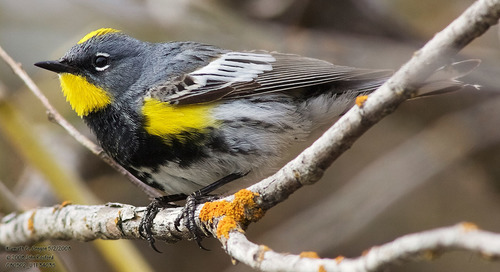
Yellow-rumped Warbler
In short
The Common Grackle and Yellow-rumped Warbler are distinct in both appearance and behavior. The grackle is a larger, iridescent blackbird with a long tail, while the warbler is a smaller, colorful songbird with a distinctive yellow rump. Their habitats and behaviors also differ significantly, aiding in identification.
Identification tips
1. Size and Shape: Look for the larger size and long tail of the Common Grackle versus the smaller, more delicate Yellow-rumped Warbler. 2. Plumage: Identify the iridescent black of the grackle compared to the warbler's gray with a yellow rump. 3. Behavior: Note the grackle's flocking and aggressive behavior versus the warbler's active foraging. 4. Habitat: Consider the habitat; grackles are often in open areas, while warblers are in wooded regions. 5. Vocalization: Listen for the grackle's harsh calls versus the warbler's musical notes.
Size
The Common Grackle is significantly larger than the Yellow-rumped Warbler, with a robust body and long tail compared to the warbler's small, agile form.
Plumage
Common Grackles have a glossy, iridescent black plumage with a long, keel-shaped tail. In contrast, Yellow-rumped Warblers display a mix of gray, white, and black with a distinctive yellow patch on the rump, which is a key field mark.
Behaviour
Common Grackles are often seen in large flocks and exhibit aggressive behavior, sometimes preying on other birds. Yellow-rumped Warblers are more solitary or found in small groups, foraging actively for insects and berries.
Habitat
Common Grackles are adaptable and found in a variety of open and semi-open habitats, often near human settlements. Yellow-rumped Warblers prefer forests and woodland edges, particularly during migration and breeding seasons.
Voice
Common Grackles have a harsh, grating call, while Yellow-rumped Warblers produce a softer, more musical song. These vocal differences can be useful in distinguishing the species.