Birdr

Common Pauraque vs Common Poorwill

Nyctidromus albicollis versus Phalaenoptilus nuttallii

Play a quiz with Common Pauraque and Common Poorwill
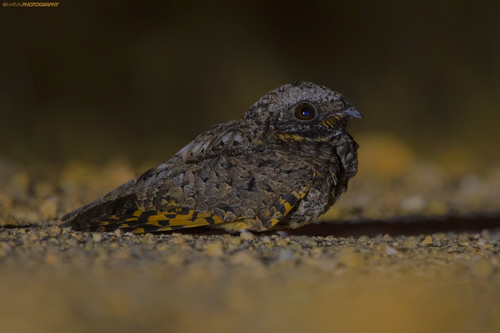
Common Pauraque (Nyctidromus albicollis) Common Pauraque
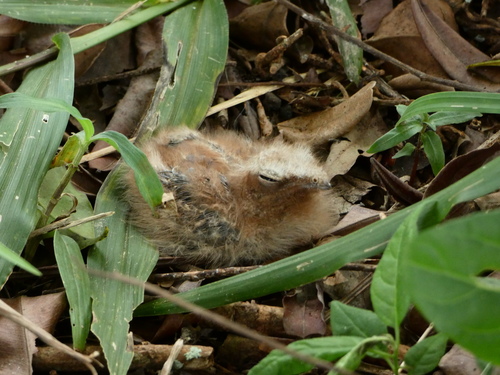
Common Poorwill (Phalaenoptilus nuttallii) Common Poorwill

Media

Loading…

In short

The Common Pauraque and Common Poorwill are both nightjars, but differ in size, plumage, and vocalizations. The Pauraque is larger with a distinctive long tail and white wing bands, while the Poorwill is smaller and known for its torpor behavior.

Identification tips

Size

The Common Pauraque is larger and more robust than the Common Poorwill.

Plumage

The Pauraque has a long, rounded tail with substantial white in the rectrices and blunt, rounded wings with a white band across the primaries. The Poorwill has a more compact appearance with less prominent white markings.

Behaviour

The Pauraque is crepuscular and terrestrial, often seen foraging on the ground. The Poorwill is known for its ability to enter torpor, becoming inactive during cold periods.

Habitat

The Pauraque inhabits tropical lowlands in Central and South America, while the Poorwill is found in the high prairies and semi-arid regions of western North America.

Voice

The Pauraque's song is a breezy 'hip-hip-hip-hooray,' while the Poorwill's call is a repetitive 'poor-will' sound.

Submit a better description

Use the same sections as the comparison. Your text is published immediately.

The Common Pauraque and Common Poorwill are both nightjars, but differ in size, plumage, and vocalizations. The Pauraque is larger with a distinctive long tail and white wing bands, while the Poorwill is smaller and known for its torpor behavior.

  • Size and Tail: Look for the larger size and long tail of the Pauraque.
  • Wing Markings: Note the white band on the Pauraque's wings.
  • Behavior: Observe the Pauraque's terrestrial foraging versus the Poorwill's torpor behavior.
  • Habitat: Consider the geographic location; Pauraque in tropical lowlands, Poorwill in western North America.
  • Vocalization: Listen for the distinct calls of each species.

The Common Pauraque is larger and more robust than the Common Poorwill.

The Pauraque has a long, rounded tail with substantial white in the rectrices and blunt, rounded wings with a white band across the primaries. The Poorwill has a more compact appearance with less prominent white markings.

The Pauraque is crepuscular and terrestrial, often seen foraging on the ground. The Poorwill is known for its ability to enter torpor, becoming inactive during cold periods.

The Pauraque inhabits tropical lowlands in Central and South America, while the Poorwill is found in the high prairies and semi-arid regions of western North America.

The Pauraque's song is a breezy 'hip-hip-hip-hooray,' while the Poorwill's call is a repetitive 'poor-will' sound.

Discard your changes?

You have unsaved edits. If you leave now, those changes will be lost.

Common Pauraque · Common Poorwill · My Tricky Birds