Birdr

Common Pauraque vs Lyre-tailed Nightjar

Nyctidromus albicollis versus Uropsalis lyra

Play a quiz with Common Pauraque and Lyre-tailed Nightjar
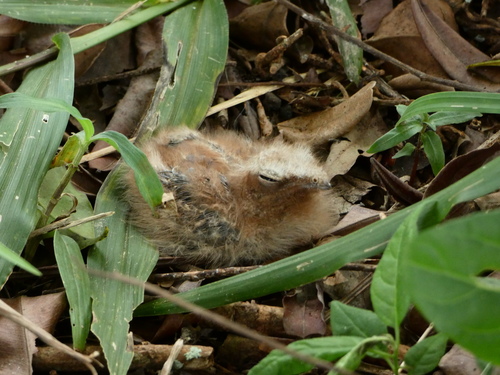
Common Pauraque (Nyctidromus albicollis) Common Pauraque
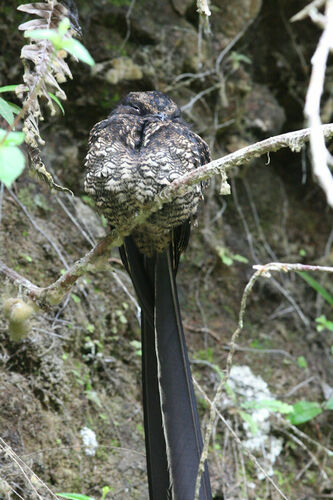
Lyre-tailed Nightjar (Uropsalis lyra) Lyre-tailed Nightjar

Media

Loading…

In short

The Common Pauraque and Lyre-tailed Nightjar are both nightjars, but they can be distinguished by their tail shape and vocalizations. The Pauraque has a long, rounded tail with substantial white markings, while the Lyre-tailed Nightjar is known for its distinctive lyre-shaped tail in males. Both species are crepuscular, but their songs differ significantly.

Identification tips

1. Tail Shape: Look for the long, rounded tail with white markings on the Common Pauraque, versus the lyre-shaped tail in male Lyre-tailed Nightjars. 2. Habitat: Consider the habitat; Pauraques are in lowlands, Lyre-tailed Nightjars in montane areas. 3. Vocalizations: Listen for the Pauraque's distinctive song to confirm identification. 4. Time of Activity: Both are active at dusk and dawn, so focus on structural and vocal differences.

Size

Both species are similar in size, but the Lyre-tailed Nightjar may appear larger due to its exceptionally long tail in males.

Plumage

The Common Pauraque has a complex pattern of browns, buffs, grays, and blacks, with a white band across the primaries. The Lyre-tailed Nightjar also has cryptic plumage but is distinguished by the male's long, lyre-shaped tail.

Behaviour

Both species are crepuscular and terrestrial, but the Pauraque is particularly known for foraging on the ground. The Lyre-tailed Nightjar's behavior is less documented but is also likely to be terrestrial.

Habitat

The Common Pauraque is found in tropical lowlands, while the Lyre-tailed Nightjar inhabits montane forests, often at higher elevations.

Voice

The Common Pauraque's song is a distinctive 'hip-hip hip-hip hip-hip-hooray,' while the Lyre-tailed Nightjar's vocalizations are less documented but are known to differ.

Submit a better description

Use the same sections as the comparison. Your text is published immediately.

The Common Pauraque and Lyre-tailed Nightjar are both nightjars, but they can be distinguished by their tail shape and vocalizations. The Pauraque has a long, rounded tail with substantial white markings, while the Lyre-tailed Nightjar is known for its distinctive lyre-shaped tail in males. Both species are crepuscular, but their songs differ significantly.

1. Tail Shape: Look for the long, rounded tail with white markings on the Common Pauraque, versus the lyre-shaped tail in male Lyre-tailed Nightjars. 2. Habitat: Consider the habitat; Pauraques are in lowlands, Lyre-tailed Nightjars in montane areas. 3. Vocalizations: Listen for the Pauraque's distinctive song to confirm identification. 4. Time of Activity: Both are active at dusk and dawn, so focus on structural and vocal differences.

Both species are similar in size, but the Lyre-tailed Nightjar may appear larger due to its exceptionally long tail in males.

The Common Pauraque has a complex pattern of browns, buffs, grays, and blacks, with a white band across the primaries. The Lyre-tailed Nightjar also has cryptic plumage but is distinguished by the male's long, lyre-shaped tail.

Both species are crepuscular and terrestrial, but the Pauraque is particularly known for foraging on the ground. The Lyre-tailed Nightjar's behavior is less documented but is also likely to be terrestrial.

The Common Pauraque is found in tropical lowlands, while the Lyre-tailed Nightjar inhabits montane forests, often at higher elevations.

The Common Pauraque's song is a distinctive 'hip-hip hip-hip hip-hip-hooray,' while the Lyre-tailed Nightjar's vocalizations are less documented but are known to differ.

Discard your changes?

You have unsaved edits. If you leave now, those changes will be lost.

Common Pauraque · Lyre-tailed Nightjar · My Tricky Birds