Common Pauraque vs Mexican Whip-poor-will
Nyctidromus albicollis versus Antrostomus arizonae
Play a quiz with Common Pauraque and Mexican Whip-poor-will
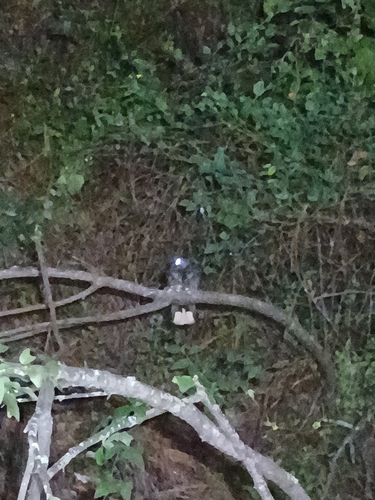
Common Pauraque
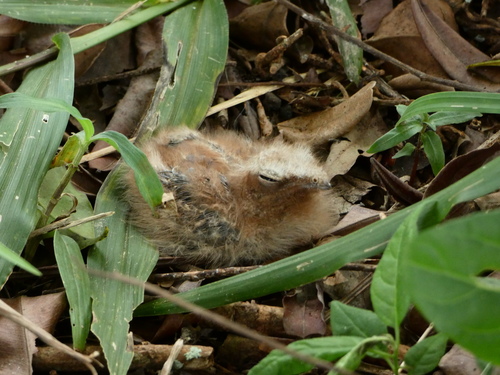
Mexican Whip-poor-will
In short
The Common Pauraque and Mexican Whip-poor-will are both nightjars, but the Pauraque is larger and has a distinctive white band across its primaries and a long, rounded tail with white in the rectrices. The Whip-poor-will is smaller, with less prominent white markings and a more cryptic plumage. Their vocalizations also differ significantly.
Identification tips
1. Look for the white band on the primaries and white in the tail of the Common Pauraque. 2. Note the size difference: the Pauraque is larger. 3. Listen for vocalizations: the Pauraque's song is distinctive and different from the Whip-poor-will's call. 4. Consider habitat: Pauraques are more terrestrial and found in tropical lowlands, while Whip-poor-wills prefer wooded areas.
Size
The Common Pauraque is larger and more robust compared to the smaller Mexican Whip-poor-will.
Plumage
The Common Pauraque has a complex pattern of browns, buffs, grays, and blacks with a white band across the primaries and a long, rounded tail with substantial white in the rectrices. The Mexican Whip-poor-will has a more cryptic plumage with less prominent white markings, aiding in camouflage.
Behaviour
Both species are nocturnal and crepuscular, but the Common Pauraque is particularly terrestrial, often seen foraging on the ground.
Habitat
The Common Pauraque is found in tropical lowlands, while the Mexican Whip-poor-will is more associated with wooded areas in the southwestern United States and Mexico.
Voice
The Common Pauraque's song is a breezy 'hip-hip hip-hip hip-hip-hooray,' while the Mexican Whip-poor-will has a repetitive 'whip-poor-will' call. These vocalizations are key to distinguishing the two species.