Birdr

Common Poorwill vs Mexican Whip-poor-will

Phalaenoptilus nuttallii versus Antrostomus arizonae

Play a quiz with Common Poorwill and Mexican Whip-poor-will
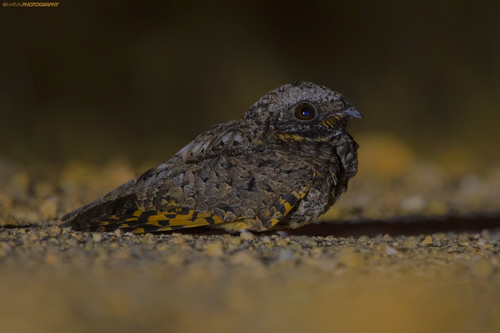
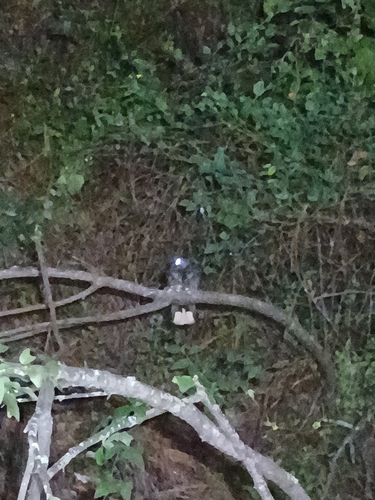
Common Poorwill (Phalaenoptilus nuttallii) Common Poorwill
Mexican Whip-poor-will (Antrostomus arizonae) Mexican Whip-poor-will

Media

Loading…

In short

The Common Poorwill and the Mexican Whip-poor-will are both nocturnal nightjars, but they can be distinguished by their size and vocalizations. The Common Poorwill is smaller and has a distinctive call, while the Mexican Whip-poor-will is larger with a more complex song.

Identification tips

  1. Size: Look for the smaller size of the Common Poorwill. 2. Vocalization: Listen for the repetitive call of the Common Poorwill versus the melodic song of the Mexican Whip-poor-will. 3. Plumage: Note the more uniform appearance of the Common Poorwill compared to the contrasting plumage of the Mexican Whip-poor-will. 4. Behavior: Observe any signs of torpor in colder conditions, which is unique to the Common Poorwill.

Size

The Common Poorwill is generally smaller than the Mexican Whip-poor-will.

Plumage

Both species have cryptic plumage with mottled browns and grays, but the Common Poorwill tends to have a more uniform appearance, while the Mexican Whip-poor-will may show more contrast in its plumage.

Behaviour

Both species are nocturnal and feed on flying insects by sallying from perches. The Common Poorwill is known for its ability to enter torpor, especially in colder conditions.

Habitat

The Common Poorwill is found in high rolling prairies, semi-arid flats, and rocky foothills of western North America. The Mexican Whip-poor-will inhabits similar regions but is more common in the southwestern United States and into Mexico.

Voice

The Common Poorwill has a distinctive, repetitive call, whereas the Mexican Whip-poor-will's song is more complex and melodic.

Submit a better description

Use the same sections as the comparison. Your text is published immediately.

The Common Poorwill and the Mexican Whip-poor-will are both nocturnal nightjars, but they can be distinguished by their size and vocalizations. The Common Poorwill is smaller and has a distinctive call, while the Mexican Whip-poor-will is larger with a more complex song.

  1. Size: Look for the smaller size of the Common Poorwill. 2. Vocalization: Listen for the repetitive call of the Common Poorwill versus the melodic song of the Mexican Whip-poor-will. 3. Plumage: Note the more uniform appearance of the Common Poorwill compared to the contrasting plumage of the Mexican Whip-poor-will. 4. Behavior: Observe any signs of torpor in colder conditions, which is unique to the Common Poorwill.

The Common Poorwill is generally smaller than the Mexican Whip-poor-will.

Both species have cryptic plumage with mottled browns and grays, but the Common Poorwill tends to have a more uniform appearance, while the Mexican Whip-poor-will may show more contrast in its plumage.

Both species are nocturnal and feed on flying insects by sallying from perches. The Common Poorwill is known for its ability to enter torpor, especially in colder conditions.

The Common Poorwill is found in high rolling prairies, semi-arid flats, and rocky foothills of western North America. The Mexican Whip-poor-will inhabits similar regions but is more common in the southwestern United States and into Mexico.

The Common Poorwill has a distinctive, repetitive call, whereas the Mexican Whip-poor-will's song is more complex and melodic.

Discard your changes?

You have unsaved edits. If you leave now, those changes will be lost.

Common Poorwill · Mexican Whip-poor-will · My Tricky Birds