Birdr

Common Quail vs Little Grebe

Coturnix coturnix versus Tachybaptus ruficollis

Play a quiz with Common Quail and Little Grebe
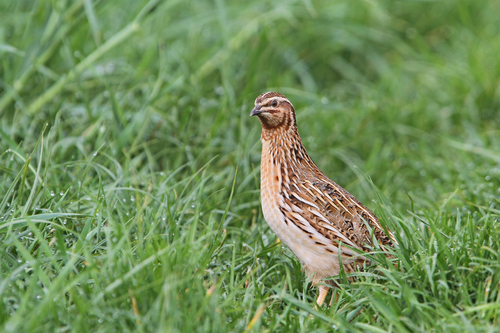
Common Quail (Coturnix coturnix) Common Quail
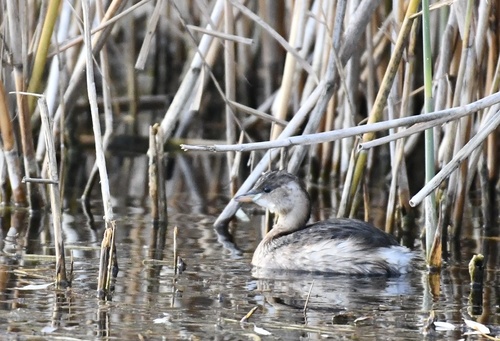
Little Grebe (Tachybaptus ruficollis) Little Grebe

Media

Loading…

In short

The Common Quail and Little Grebe are easily distinguished by habitat and structure. The Common Quail is a terrestrial bird found in fields and grasslands, while the Little Grebe is an aquatic bird often seen on freshwater bodies. Look for the quail's compact, rounded body and short tail versus the grebe's streamlined shape and lobed feet.

Identification tips

1. Habitat: Check the environment first; quails are in fields, grebes on water. 2. Structure: Note the quail's rounded body and short tail versus the grebe's streamlined shape. 3. Behavior: Observe if the bird is diving or hiding in grass. 4. Plumage: Look for the quail's streaked pattern or the grebe's rufous neck. 5. Vocalization: Listen for the quail's 'wet-my-lips' call or the grebe's trills.

Size

The Common Quail is a small, plump bird, while the Little Grebe is slightly larger and more elongated.

Plumage

Common Quail has a cryptic, brown and buff plumage with streaks, ideal for blending into grasslands. In contrast, the Little Grebe has a dark, glossy plumage with a distinctive rufous neck during breeding season.

Behaviour

Common Quail are ground-dwelling and often hidden in vegetation, rarely flying. Little Grebes are adept swimmers and divers, often seen diving for food in water.

Habitat

Common Quail inhabit open fields and grasslands. Little Grebes are found on lakes, ponds, and slow-moving rivers.

Voice

Common Quail have a distinctive 'wet-my-lips' call, while Little Grebes produce a variety of trills and whinnies.

Submit a better description

Use the same sections as the comparison. Your text is published immediately.

The Common Quail and Little Grebe are easily distinguished by habitat and structure. The Common Quail is a terrestrial bird found in fields and grasslands, while the Little Grebe is an aquatic bird often seen on freshwater bodies. Look for the quail's compact, rounded body and short tail versus the grebe's streamlined shape and lobed feet.

1. Habitat: Check the environment first; quails are in fields, grebes on water. 2. Structure: Note the quail's rounded body and short tail versus the grebe's streamlined shape. 3. Behavior: Observe if the bird is diving or hiding in grass. 4. Plumage: Look for the quail's streaked pattern or the grebe's rufous neck. 5. Vocalization: Listen for the quail's 'wet-my-lips' call or the grebe's trills.

The Common Quail is a small, plump bird, while the Little Grebe is slightly larger and more elongated.

Common Quail has a cryptic, brown and buff plumage with streaks, ideal for blending into grasslands. In contrast, the Little Grebe has a dark, glossy plumage with a distinctive rufous neck during breeding season.

Common Quail are ground-dwelling and often hidden in vegetation, rarely flying. Little Grebes are adept swimmers and divers, often seen diving for food in water.

Common Quail inhabit open fields and grasslands. Little Grebes are found on lakes, ponds, and slow-moving rivers.

Common Quail have a distinctive 'wet-my-lips' call, while Little Grebes produce a variety of trills and whinnies.

Discard your changes?

You have unsaved edits. If you leave now, those changes will be lost.

Common Quail · Little Grebe · My Tricky Birds