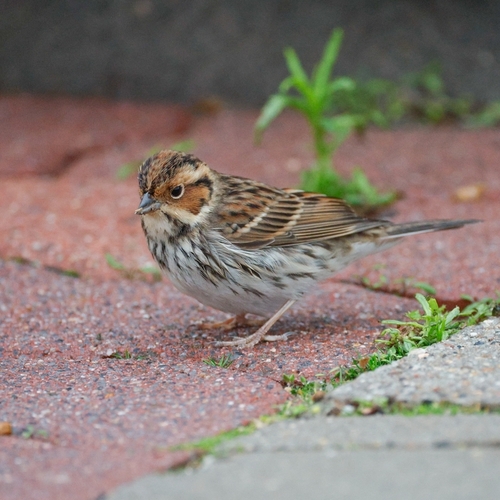
Common Reed Bunting vs Little Bunting
Emberiza schoeniclus versus Emberiza pusilla
Play a quiz with Common Reed Bunting and Little Bunting
Common Reed Bunting
Little Bunting
In short
The Common Reed Bunting and Little Bunting can be distinguished by their size and plumage details. The Common Reed Bunting is larger and often found in wetland habitats, while the Little Bunting is smaller and typically seen in more wooded areas. Pay attention to the head patterns and habitat preferences for reliable identification.
Identification tips
- Size and Structure: Note the larger size of the Common Reed Bunting. 2. Head Pattern: Look for the black head and white collar in male Common Reed Buntings. 3. Habitat: Consider the habitat; reed beds for Common Reed Bunting, wooded areas for Little Bunting. 4. Vocalizations: Listen for the simpler trill of the Common Reed Bunting compared to the more varied song of the Little Bunting.
Size
The Common Reed Bunting is larger than the Little Bunting.
Plumage
The Common Reed Bunting has a more pronounced black head and throat in males, with a white collar during the breeding season. The Little Bunting has a more subtle head pattern with a distinct white supercilium and a more uniformly brown body.
Behaviour
Both species are often seen foraging on the ground, but the Common Reed Bunting is more likely to be found in reed beds.
Habitat
Common Reed Buntings are typically found in wetlands and reed beds, while Little Buntings prefer wooded areas and scrub.
Voice
The Common Reed Bunting's song is a simple, repetitive trill, whereas the Little Bunting's song is more varied and musical.